One of the most common questions we hear from patients is simple: Are dental implants permanent?
If you’ve lost a tooth, struggled with a loose denture, or felt frustrated with a bridge that doesn’t quite feel stable, it’s natural to want a long-term solution. Many adults and retirees in our community are looking for something that feels secure, functions naturally, and supports long-term oral health—not just a temporary fix.
For patients exploring long-term tooth replacement options here in Wichita Falls, dental implants are often part of that conversation. If you’re researching your options, learning more about our dental implants long-term tooth replacement solutions can help you understand how implant dentistry is designed to provide stability and longevity.
But how long do implants really last? The honest answer requires a thoughtful explanation.
How Dental Implants Are Designed to Last
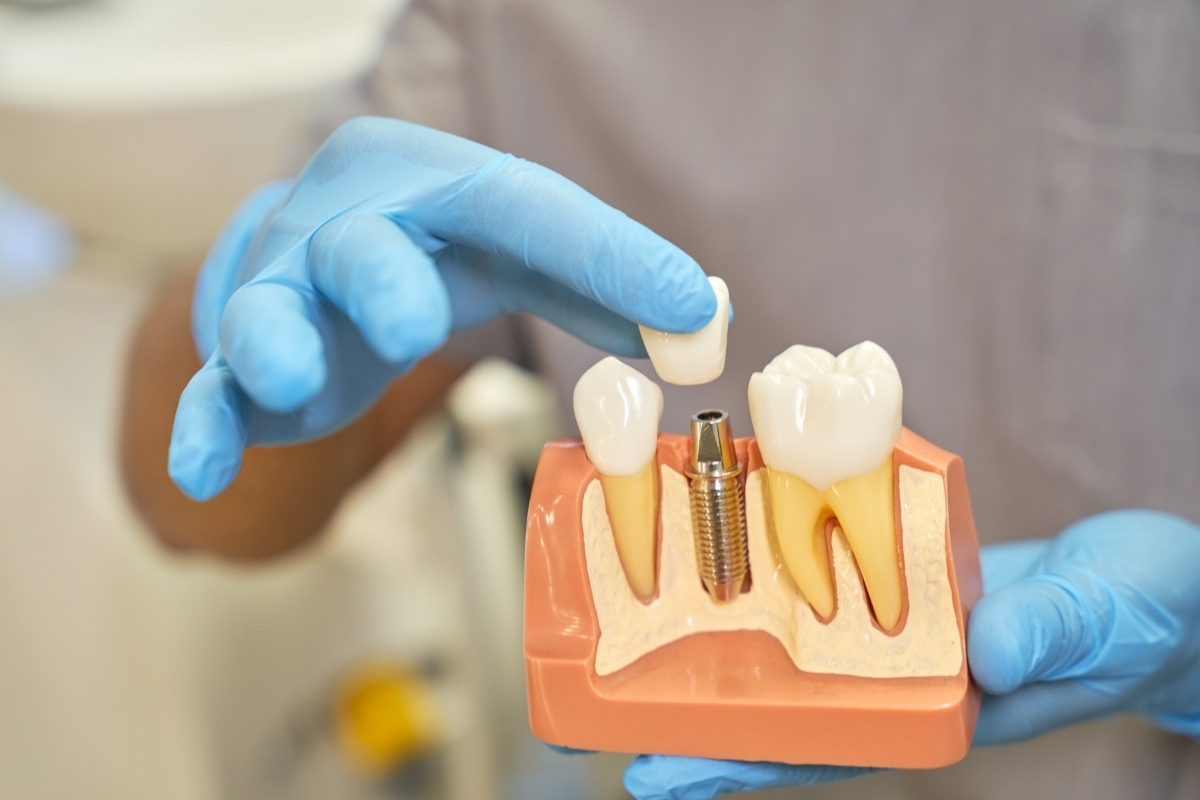
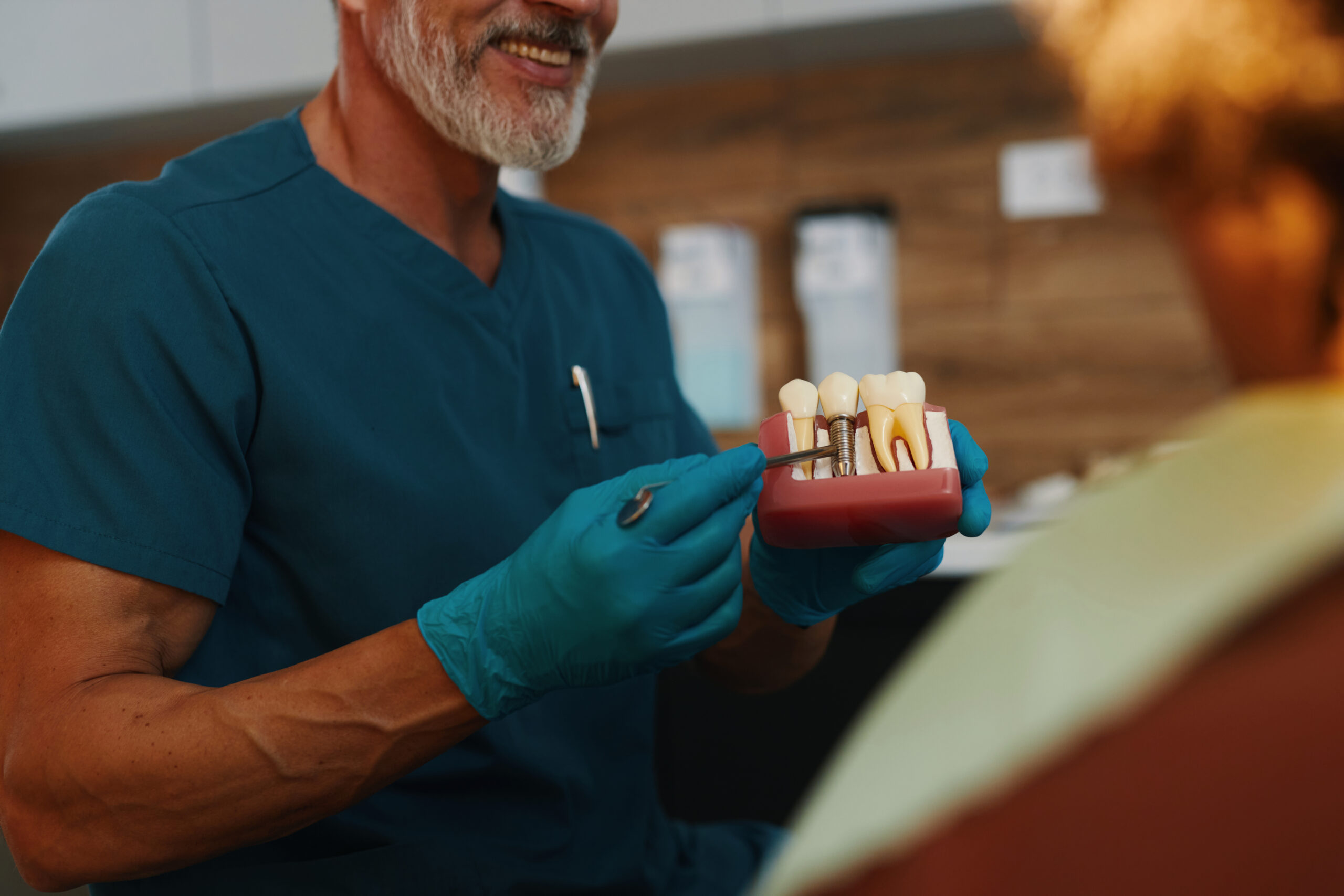
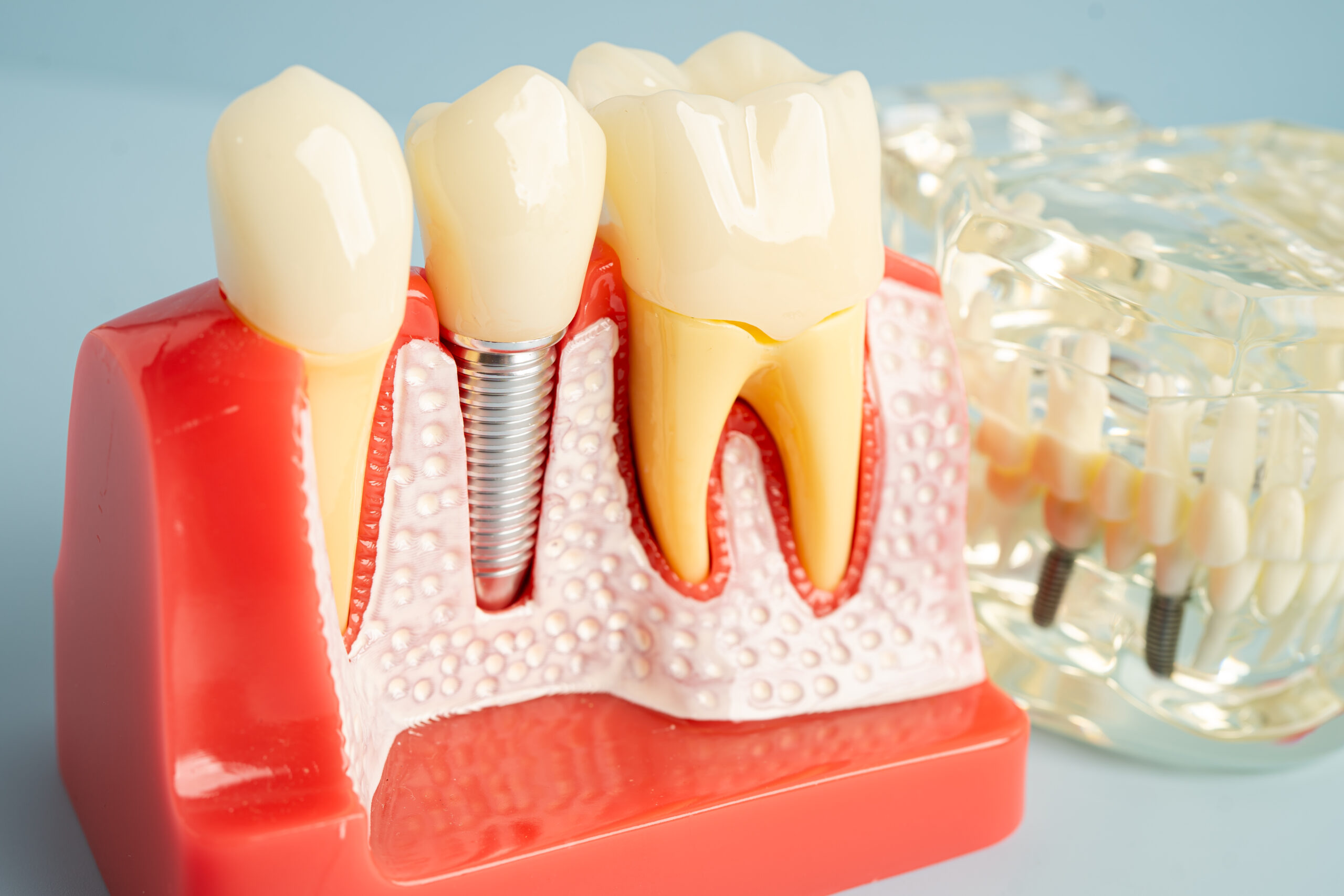
Dental implants are built differently than traditional bridges or removable dentures. The foundation is a small titanium post placed in the jawbone. Titanium is biocompatible, meaning the body accepts it well.
After placement, the implant goes through a natural healing phase called osseointegration. In simple terms, the bone gradually bonds to the implant surface. This creates a stable, secure foundation—much like a natural tooth root.
Once healing is complete, a custom crown is attached to the implant. The result is a replacement tooth that looks, feels, and functions much like your own.
Because implants integrate with the jawbone, they don’t rely on neighboring teeth for support. This design is one of the reasons they are considered one of the most durable tooth replacement options available today.
What “Permanent” Really Means in Dentistry
In everyday language, “permanent” can sound like “forever.” In dentistry, however, we define permanence more carefully.
The titanium implant post itself can last decades—and in many cases, a lifetime—if properly cared for. The crown attached to the implant, like any dental restoration, may eventually need replacement due to normal wear over time.
Most implant crowns last 10–15 years or longer, depending on bite forces, habits like grinding, and oral hygiene. The implant post beneath the surface often remains stable far beyond that timeframe.
No dental treatment is technically guaranteed for life. However, implants are designed with long-term function in mind, which makes them a reliable solution for many patients.
Factors That Influence Implant Longevity
While implants are highly durable, their success depends on several important factors:
Bone health: Adequate bone density is essential for stability. If bone loss has occurred, additional procedures may sometimes be recommended before implant placement.
Gum health: Healthy gums support the implant and reduce the risk of infection.
Bite alignment: Excessive bite pressure or untreated grinding can shorten the lifespan of restorations.
Smoking: Tobacco use can interfere with healing and increase complication risk.
Medical conditions: Conditions such as uncontrolled diabetes may affect healing.
Oral hygiene: Daily brushing, flossing, and routine professional cleanings are critical.
Regular dental visits: Monitoring allows us to catch small issues before they become larger concerns.
Implants are strong—but like natural teeth, they require care and maintenance.
Can Dental Implants Fail?
Implant failure is uncommon, but it can occur. Understanding why helps patients make informed decisions.
Early failure may happen if the implant does not properly integrate with the bone during healing. This is rare but possible.
Late failure is more often associated with infection around the implant, known as peri-implantitis. This condition resembles gum disease and can lead to bone loss if untreated.
Careful planning, proper placement, and routine follow-up visits significantly reduce these risks. In our practice, we approach implant treatment with careful case selection and thorough evaluation to help ensure long-term stability.
How Implant Treatment Is Planned Thoughtfully
Successful implants don’t happen by accident. They begin with careful assessment.
A comprehensive exam includes digital X-rays and, when appropriate, 3D imaging to evaluate bone structure and overall oral health. We assess gum condition, bite alignment, and medical history before recommending treatment.
Not every patient is immediately an ideal candidate—and that’s okay. Sometimes additional steps are needed to create the right foundation. Conservative planning always comes first. Our goal is long-term health, not rushing into treatment.
When implants are recommended, they are chosen because they are appropriate—not simply because they are available.
Are Implants the Right Long-Term Investment for You?
For many adults in Wichita Falls, implants offer meaningful quality-of-life improvements.
They allow you to chew comfortably, speak clearly, and smile without worrying about shifting or slipping. Because implants stimulate the jawbone, they also help preserve bone structure—something removable appliances cannot do.
Compared to bridges or dentures, implants provide greater stability. Over time, that stability can support both oral health and overall confidence.
From a financial standpoint, implants may require a higher initial investment than other options. However, their durability and long-term function often make them a practical solution for patients planning ahead.
Every case is different. The right choice depends on your health, goals, and long-term outlook.
Considering Your Next Step
If you’re weighing your options and want clarity about what makes sense for you, a personalized conversation can make all the difference. Thoughtful evaluation, imaging, and discussion help determine whether implant treatment aligns with your goals and overall health.
If you would like to explore this further, you may request an appointment to discuss your options and learn what approach is most appropriate for your situation.
FAQs
How long do dental implants typically last?
With proper care, the implant post can last decades and often a lifetime. The crown attached to it may eventually need replacement due to normal wear.
Do implants ever need to be replaced?
The implant itself rarely needs replacement if it remains healthy and stable. The visible crown may need replacement over time, similar to other dental restorations.
Is the implant procedure painful?
Most patients report minimal discomfort during placement. Local anesthesia is used, and post-procedure soreness is typically manageable with standard aftercare.
Can smokers get dental implants?
Smoking increases the risk of healing complications and implant failure. However, candidacy depends on individual health factors, and a thorough evaluation is important.
How do I take care of a dental implant?
Daily brushing and flossing, along with regular professional cleanings and exams, are essential. Implants require the same level of care as natural teeth to remain healthy long term.