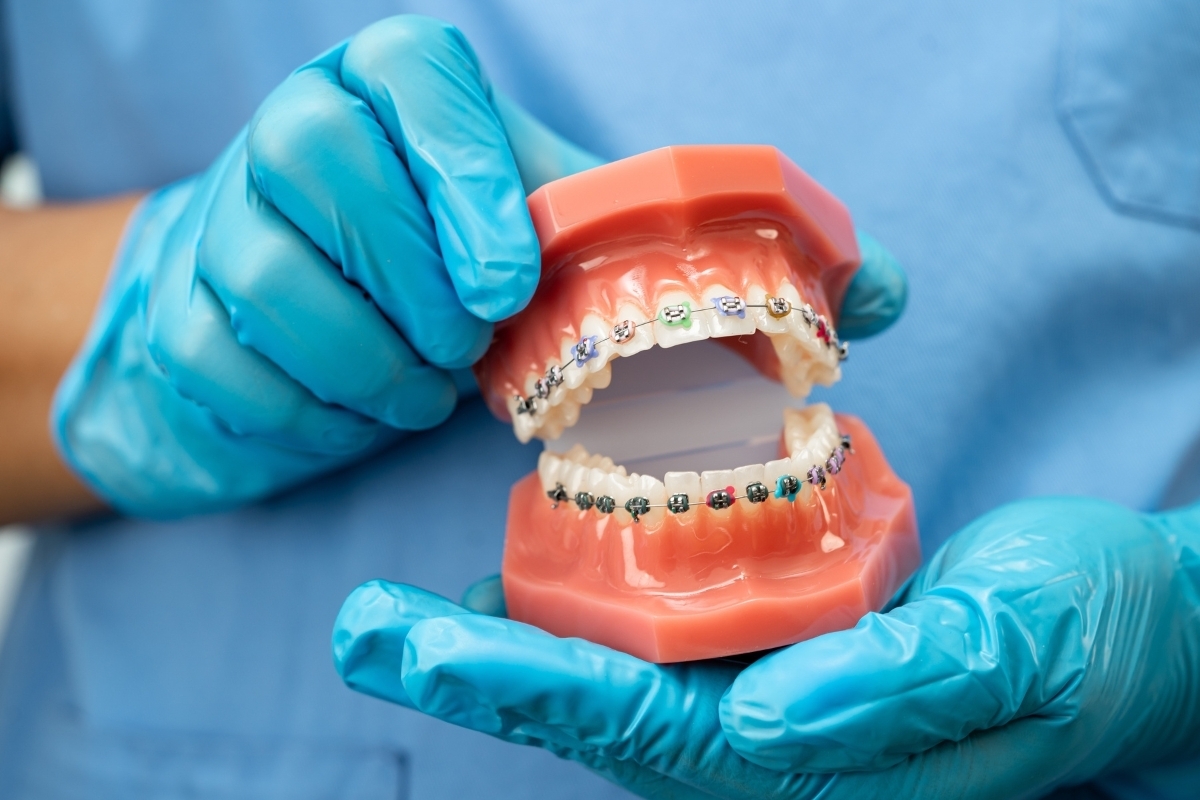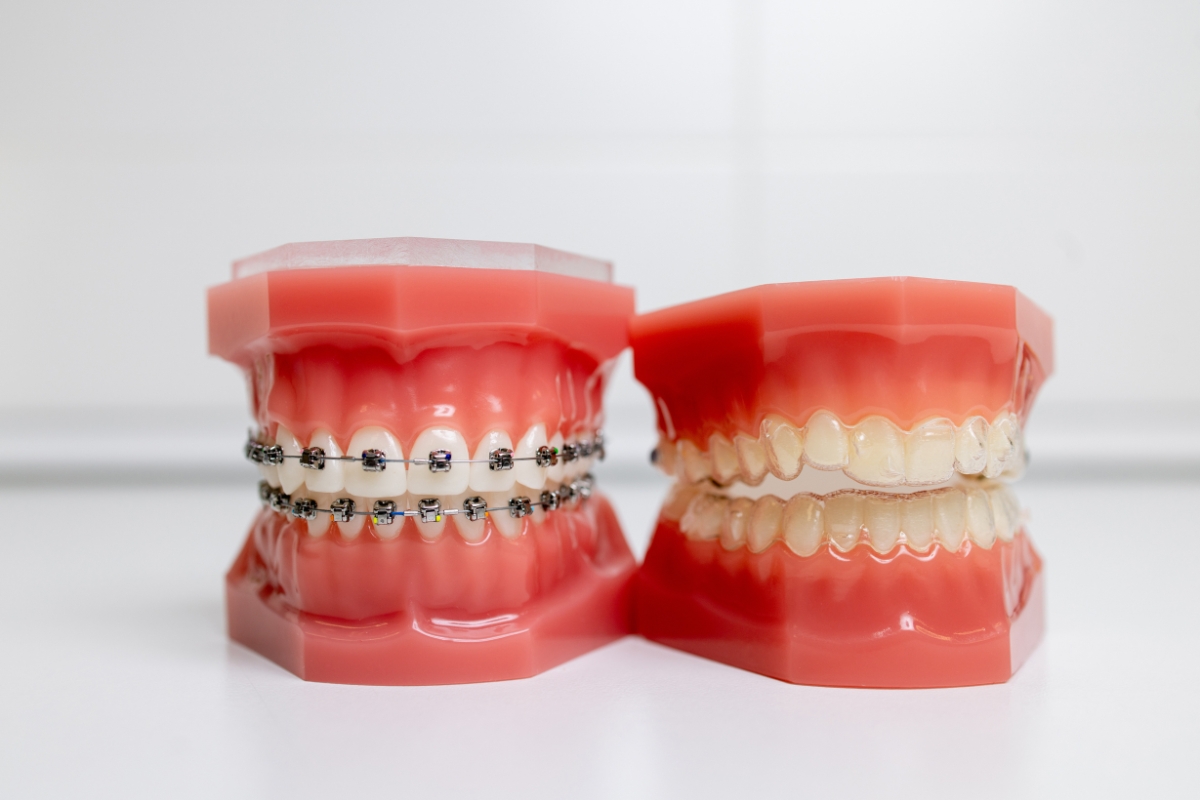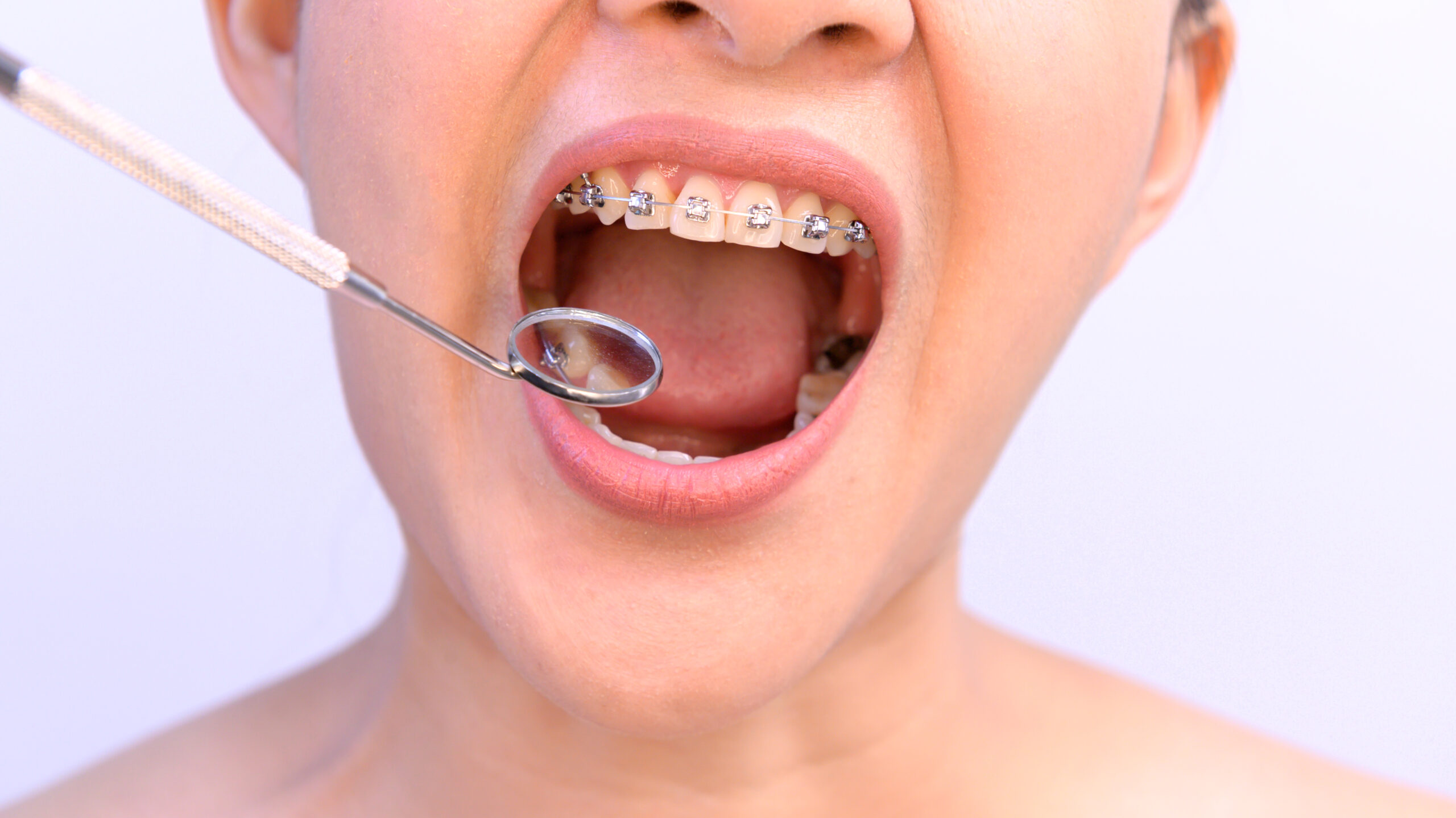
It’s common to see a mix of excitement and uncertainty when someone first gets braces. A teen heading back to school in Wichita Falls may be figuring out how to eat lunch comfortably, a parent might be helping their child adjust to new routines, or an adult could be navigating meetings while getting used to the feel of brackets and wires. These early days often come with questions about what’s safe, what’s not, and how to take care of everything properly.
For patients exploring braces in Wichita Falls, understanding daily care early on can make a meaningful difference—not just in comfort, but in how smoothly treatment progresses over time.
Do’s of Caring for Your Braces
Taking care of braces doesn’t have to feel overwhelming. Small, consistent habits go a long way.
One of the most important steps is brushing thoroughly after meals. Brackets and wires can trap food easily, so using a soft-bristled toothbrush along with fluoride toothpaste helps keep teeth and gums healthy. Many patients also benefit from using interdental brushes or floss threaders to clean areas that are harder to reach.
If your orthodontist recommends rubber bands, wearing them as instructed is essential. They play a key role in guiding tooth movement and keeping treatment on track.
Regular visits are just as important. These appointments allow your orthodontic team to monitor progress, make adjustments, and address small issues before they become bigger concerns.
Don’ts That Can Damage Your Braces
While braces are durable, certain habits can cause unnecessary setbacks.
Hard foods like ice, nuts, and hard candy can break brackets or bend wires. Sticky foods such as gum or caramel tend to cling to braces and are difficult to clean away, increasing the risk of plaque buildup.
Chewing on non-food items—like pens or fingernails—is another common habit that can damage orthodontic appliances without people realizing it.
Skipping brushing or flossing, especially after meals, can lead to plaque accumulation around brackets. Over time, this may cause staining or gum irritation, which can affect both oral health and treatment results.
Foods to Eat and Avoid with Braces
Food choices often require a few adjustments, especially in the beginning.
Soft foods tend to be more comfortable and safer. Options like yogurt, pasta, eggs, cooked vegetables, and soft fruits are easy to manage, particularly after adjustments when teeth may feel sensitive.
Foods that require biting into something firm—like whole apples or crusty bread—are better cut into smaller pieces. This reduces pressure on brackets and wires.
For families in Wichita Falls balancing busy schedules, simple meal planning can help. Preparing brace-friendly snacks ahead of time can make school lunches and after-practice meals easier for kids and teens.
How to Handle Common Braces Issues
It’s normal to experience occasional discomfort or minor issues during treatment.
Soreness after adjustments is common and usually temporary. Eating softer foods and rinsing with warm salt water can help ease irritation.
If a bracket becomes loose or a wire starts to poke, orthodontic wax can provide short-term relief. However, it’s still important to contact your dental office so the issue can be properly addressed.
Food getting stuck between brackets is another everyday concern. Carrying a small travel toothbrush or flossing tool can help maintain comfort and cleanliness throughout the day.
Knowing when to reach out matters. If something feels unusual or uncomfortable beyond what’s expected, it’s always better to check in rather than wait.
Oral Hygiene Tips for Braces Wearers
Maintaining good oral hygiene during orthodontic treatment is essential for long-term results.
Brushing should be done carefully at an angle, ensuring the area around each bracket is cleaned thoroughly. Taking a little extra time here can prevent plaque from building up in hard-to-reach areas.
Flossing can feel challenging at first, but tools like floss threaders or water flossers make the process more manageable. With practice, it becomes part of a regular routine.
Consistency is key. Even on busy mornings before school or work, maintaining these habits helps protect both teeth and gums throughout treatment.
How Orthodontists Help You Stay on Track
Orthodontic care is not just about placing braces—it’s an ongoing process of guidance and monitoring.
At each visit, your orthodontist evaluates how your teeth are moving and makes precise adjustments to wires or bands as needed. These small changes are what gradually guide your smile into proper alignment.
They also keep a close eye on oral hygiene, offering practical tips to help you care for your braces more effectively at home.
If any concerns arise—whether it’s discomfort, breakage, or hygiene challenges—your orthodontic team helps address them early. This preventive approach supports steady progress and reduces the likelihood of delays in treatment.
Supporting Your Braces Journey with the Right Guidance
Caring for braces is a partnership between you and your orthodontic team. Staying consistent with daily habits, asking questions when something feels unclear, and keeping up with scheduled visits all contribute to a smoother experience.
If you’d like guidance on managing your braces or have questions about your routine, you can schedule a visit at our Wichita Falls location to talk through your concerns and get practical, personalized advice.
FAQs
How often should I clean my braces?
It’s recommended to brush after every meal and floss at least once a day. This helps remove food particles and prevents plaque buildup around brackets.
What foods should I avoid with braces?
Hard, sticky, and chewy foods—such as ice, caramel, and gum—should be avoided, as they can damage brackets and wires.
What should I do if a bracket breaks?
You can use orthodontic wax to cover any sharp edges temporarily, but it’s important to contact your dental office so it can be repaired properly.
Are braces painful?
You may feel mild soreness after adjustments, especially in the first few days. This is normal and usually fades as your mouth adjusts.
How long does braces treatment usually last?
Treatment time varies depending on individual needs, but most patients wear braces for one to three years, with regular monitoring along the way.