Do your top and bottom teeth fail to meet when you close your mouth? If they do, you may be living with an open bite, and you are not alone. Many people deal with this condition every day without even knowing it has a name. They struggle to bite into foods, notice changes in how they speak, and feel self-conscious about their smile.
An open bite is not just a cosmetic concern. It can affect how you chew, how you talk, and even how your jaw feels over time. The good news is that this is a treatable condition. With the right orthodontic care, you can get your bite back to where it needs to be.
At Spearmint Dental & Orthodontics in Wichita Falls, the team is committed to helping patients living in the area correct bite problems and restore full dental function. Leading the practice is Dr. James Garrett, who earned his Doctor of Dental Surgery from the University at Buffalo and has been serving the community since 2012. Dr. Garrett has continued to expand his knowledge through ongoing education in orthodontics and oral health, making him well placed to guide patients through bite-correction treatment.
What is an open bite? Understanding the Basics
So, what exactly is an open bite? It is a type of misalignment where the upper and lower teeth do not touch when the mouth is fully closed. Instead, there is a visible gap, usually in the front of the mouth, though it can also appear toward the back.
This misalignment falls into two main categories:
- Anterior open bite– This is the more common type. The front teeth do not make contact when the back teeth are closed together. You may notice a gap when you smile or try to bite into food like a sandwich or an apple.
- Posterior open bite– This is less common. The back teeth do not meet when the front teeth are together. It can cause uneven chewing and place extra strain on the front teeth.
Both types affect daily life in real ways. Understanding which type you have is the first step toward finding the right solution.
What Causes an Open Bite?
There are several reasons a person may develop this type of bite issue. Knowing what causes an open bite can help you better understand your own situation.
Thumb Sucking and Tongue Thrusting
These are two of the most common causes in children. When a child sucks their thumb for an extended time, the constant pressure pushes the teeth outward and prevents proper alignment. Tongue thrusting- pushing the tongue against the teeth when swallowing or speaking- creates similar pressure over time.
Skeletal Development
In some cases, the shape or growth pattern of the jaw contributes to the problem. If the upper and lower jaws grow in different directions, a gap can form naturally. This is known as a skeletal open bite and is typically seen during the teenage years when the jaw is still developing.
Prolonged Pacifier Use
Using a pacifier beyond the toddler years can affect how the teeth and jaw develop, similar to thumb sucking.
Genetics
Sometimes this condition simply runs in families. If a parent had alignment issues, a child may be more likely to develop them too.
How an Open Bite Affects Daily Life
People living with this condition often deal with more than just appearance-related concerns. Here is what many patients report:
- Difficulty biting into food– Biting a burger, an apple, or even a slice of pizza can be frustrating when the front teeth do not make full contact.
- Speech issues– Certain sounds, especially “s” and “z,” can be harder to pronounce clearly. Some people develop a lisp as a result.
- Jaw discomfort– Over time, uneven bite pressure can lead to jaw pain or soreness, sometimes connected to TMJ (temporomandibular joint) issues.
- Uneven tooth wear– When only certain teeth do all the work, those teeth wear down faster than they should.
- Lower confidence– The visible gap in the smile can affect how a person feels about their appearance in photos, at work, and in social situations.
These challenges are real, and they have a real solution.
How Braces Help Correct an Open Bite
The Role of Orthodontic Care
These orthodontic options work by applying consistent, gentle pressure to move teeth into better positions over time. For bite correction, this process is especially important because the goal is not just to straighten teeth, it is to bring the upper and lower arches into proper contact with each other.
Using braces for open bite correction is one of the most reliable orthodontic treatments available. Within the first 120 words of your treatment plan, the orthodontist will assess the degree of the gap, the cause of the misalignment, and how the jaw structure plays a role. From there, a clear plan is put in place.
How the Process Works
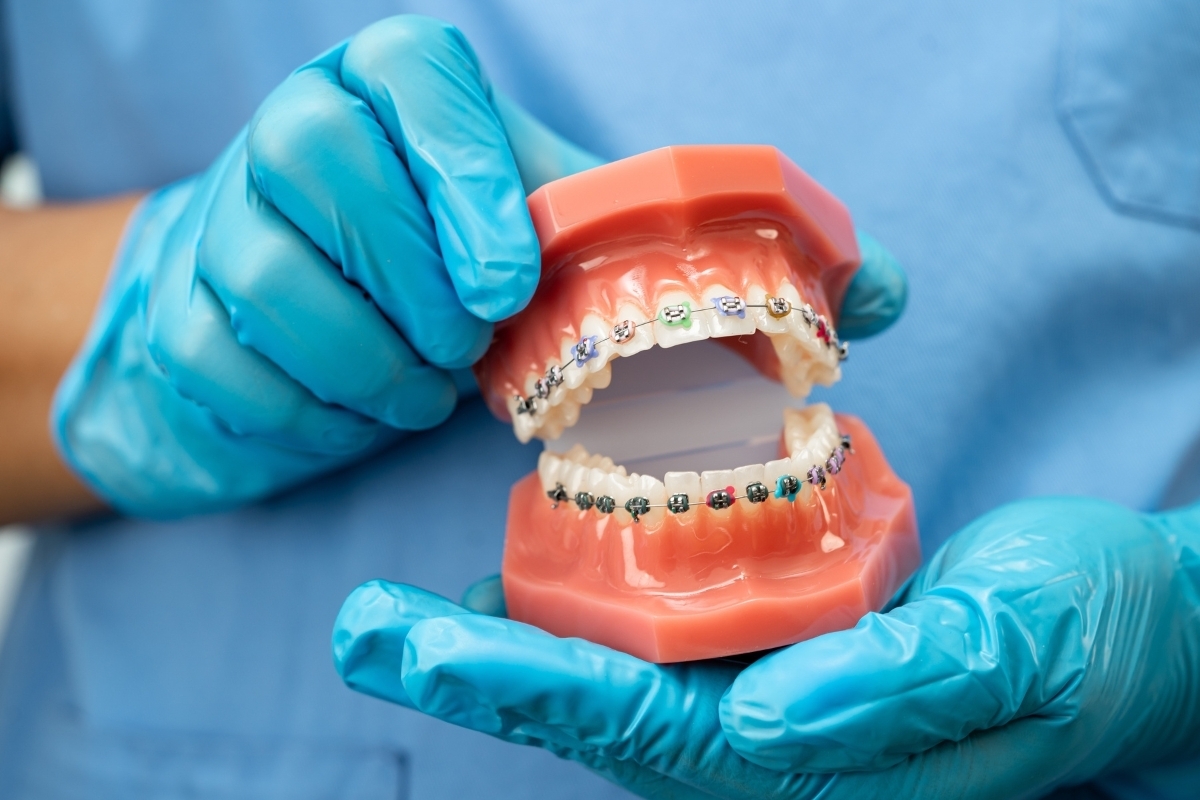
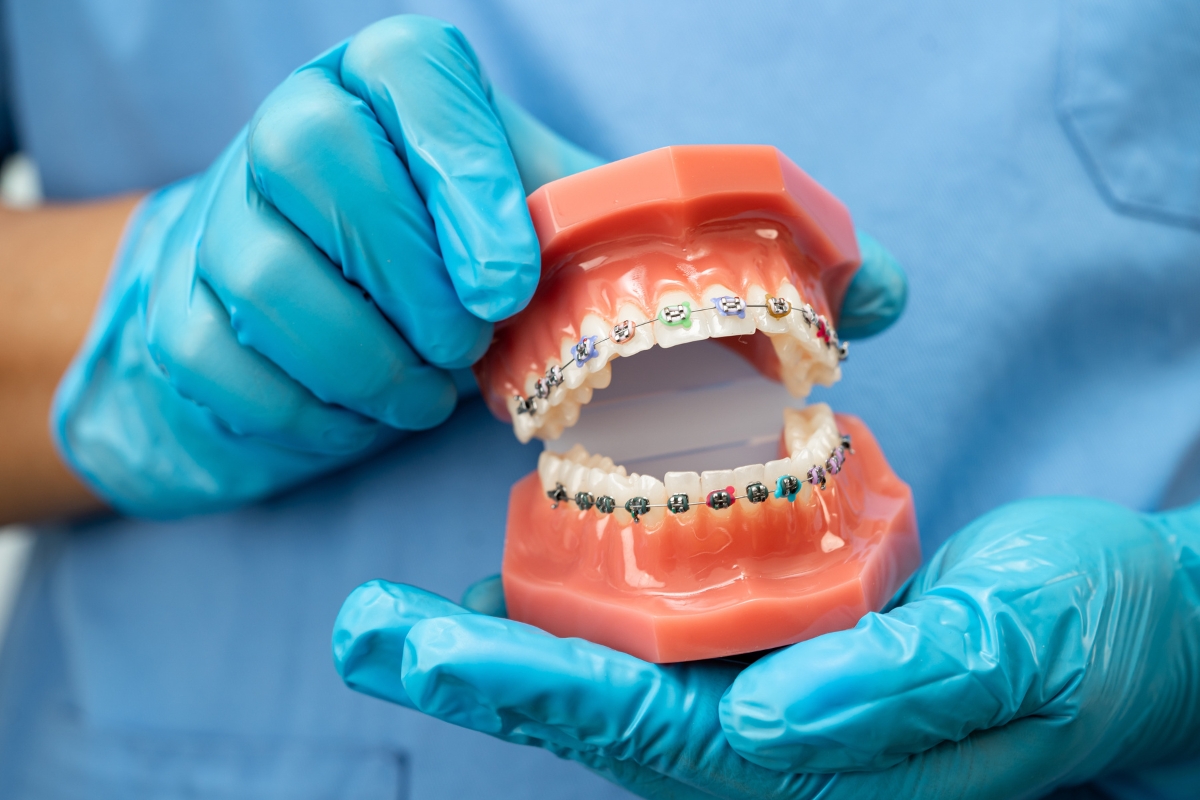
When you get braces, small brackets are bonded to each tooth and connected with a wire. Over time, the wire is adjusted to guide teeth into new positions. For those correcting a jaw misalignment, additional tools, such as rubber bands or special springs, may be used to help reposition the jaw itself.
Here is a general overview of what the treatment journey looks like:
- Initial evaluation– The orthodontist takes X-rays and photos to get a complete picture of your bite.
- Treatment planning– A step-by-step plan is created based on your specific bite pattern.
- Braces placement – Brackets and wires are applied to begin the correction process.
- Regular adjustments: You visit the office every few weeks so the wire can be tightened and progress monitored.
- Completion and retainer: Once teeth are in the correct position, a retainer is worn to keep them in place.
Types of Braces Available
- At Spearmint Dental & Orthodontics, patients can choose from:
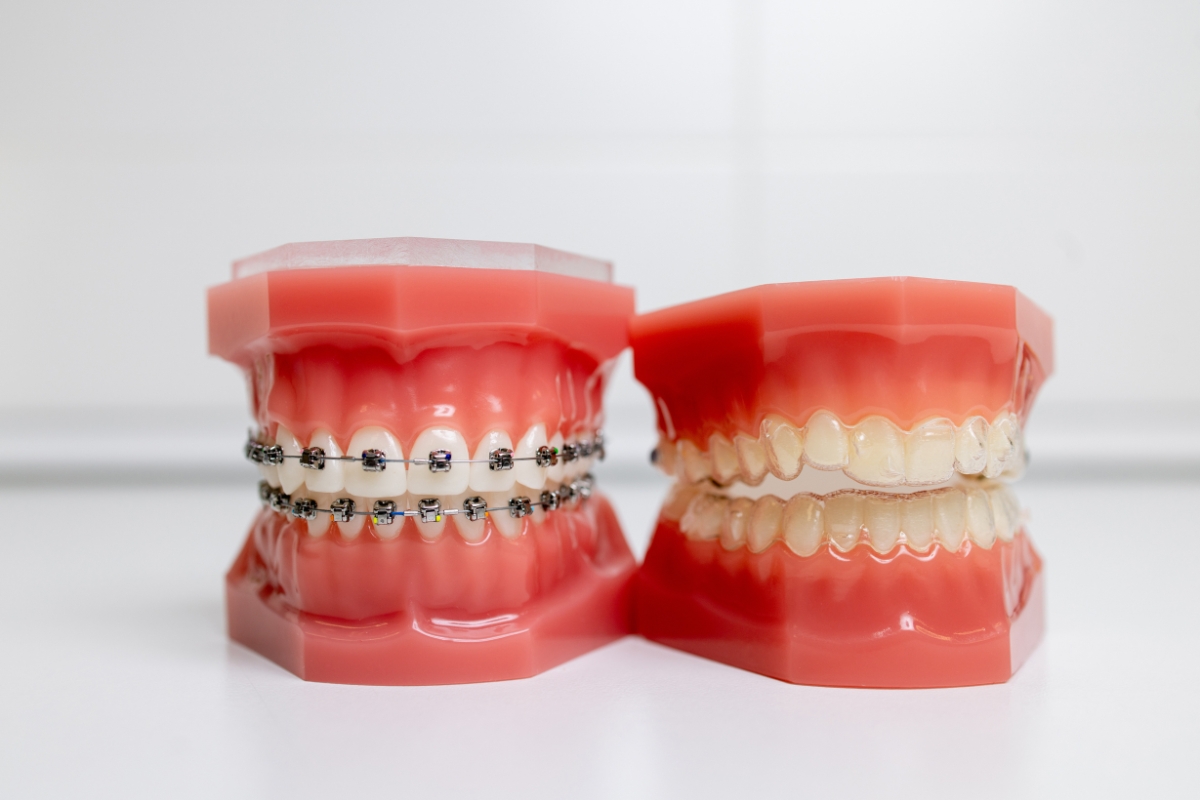
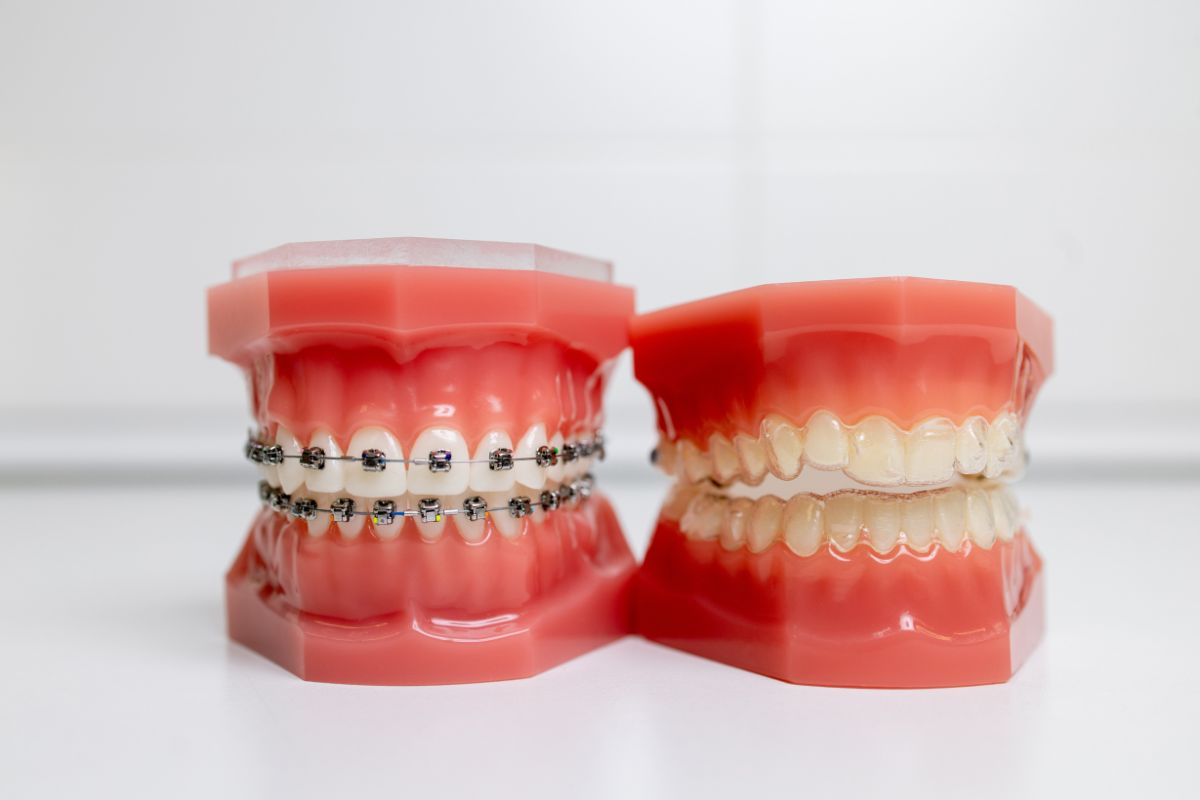
- Traditional braces – Made from stainless steel, these are durable and highly effective for correcting a wide range of bite and alignment issues.
- Clear braces – Designed to blend with your natural teeth, these orthodontic options provide a more discreet way to straighten teeth.
The right type depends on your individual bite pattern, lifestyle, and personal preferences. The care team will walk you through every option clearly.
Why Getting Treatment Sooner Makes a Difference
Many people put off orthodontic care because they assume it is mainly a cosmetic concern. But delaying treatment for a jaw misalignment can make things harder over time. The jaw continues to develop through the teen years, and the longer the bite remains off, the more the surrounding teeth and jaw joints can be affected.
Children and teenagers tend to see faster results because their jaws are still growing. Adults can still achieve full correction; it may just take a bit longer. Either way, starting sooner rather than later is always the better path.
If you or your child has been putting off treatment, now is a good time to take that first step. Visit our dental office in Wichita Falls to speak with a team member about your options and what to expect from the process.
Ready to Take the First Step Toward a Better Bite?
Living with a jaw misalignment does not have to be your normal. Whether you are dealing with difficulty chewing, speech concerns, or simply want your teeth to work the way they should, orthodontic care can help.
Spearmint Dental & Orthodontics is here to support patients throughout Wichita Falls and the surrounding areas on that journey. Book an appointment today and let the team put together a clear, straightforward plan that works for your life and your schedule. You can also explore the services available at the practice to learn more about what braces and orthodontic treatment can do for you.
Get in touch with us at our Wichita Falls location:
Spearmint Dental & Orthodontics – Wichita Falls 3201 Lawrence Rd, Suite 375, Wichita Falls, TX 76308
We look forward to helping you smile with confidence and bite with ease.
Frequently Asked Questions
Can braces fully fix an open bite?
Yes, in many cases, braces can fully correct this type of misalignment. The extent of correction depends on the cause and severity of the bite problem. A dental evaluation will give you a clear picture of what to expect.
How do I know if I have an anterior open bite or a posterior open bite?
An anterior open bite shows a gap between the front teeth when your mouth is closed, while a posterior open bite creates a gap in the back. A dental professional can identify the exact type during an examination.
How long does treatment take?
Treatment time varies depending on the severity of the misalignment and the type of correction needed. Many patients complete treatment within one to three years. Your care provider will give you a more specific timeline during your consultation.
Is it too late for adults to fix an open bite with braces?
Not at all. Adults successfully complete orthodontic correction every day. The process may take longer than in younger patients, but the results are just as meaningful. Speak with a dental professional to understand your specific situation.
Will braces affect how I speak or eat during treatment?
There is usually a short adjustment period when you first get braces. Some patients notice minor changes in speech and find certain foods harder to eat. These adjustments are temporary, and most people adapt within a few weeks.
How do I fix an open bite if my child is still young?
Early evaluation is key. A trained orthodontist can identify bite problems in children as young as 7 and recommend the right time to begin treatment. Early intervention can sometimes simplify or shorten the correction process.