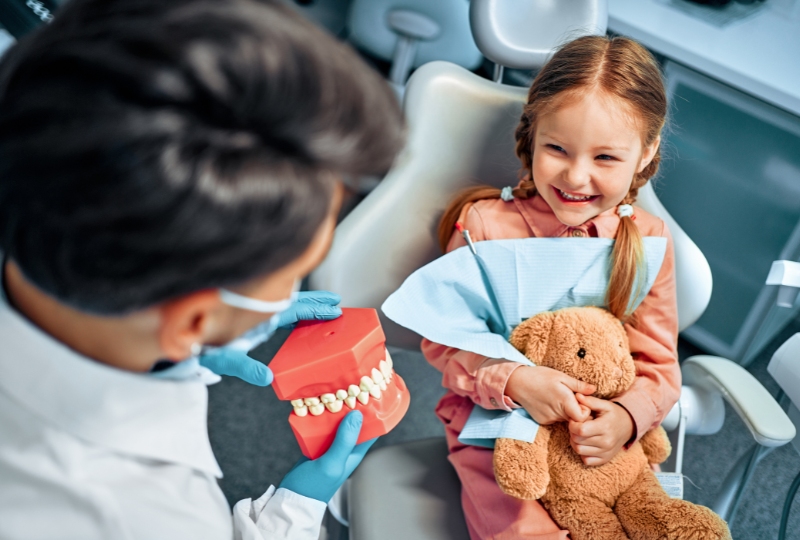
As parents, understanding the development of baby teeth is crucial for maintaining your child’s oral health. Milk teeth are the foundation for permanent teeth and play an important role in speech development, chewing, and the alignment of adult teeth. Whether you’re preparing for your child’s first dental visit or looking to learn more about the teething process, this guide will walk you through everything you need to know.
A family dentist in Princeton provides personalized care and guidance for families. Whether you’re exploring Palmer Square or enjoying a day out at Morris Hall, having a healthy smile is an essential part of your junior’s well-being. Proper oral care from a young age sets the foundation for a lifetime of healthy teeth.
What Are Baby Teeth?
Baby teeth, also called primary teeth, are the first set of teeth that appear in a child’s mouth. These teeth are important for several reasons:
- Functionality: They help juniors chew food and form speech sounds.
- Spacing for Permanent Teeth: They hold space for adult teeth, ensuring they come in properly.
- Oral Health Foundation: Proper care of milk teeth helps keep the gums and underlying structures healthy for the development of adult teeth.
Though these teeth are temporary, they are essential for your youngster’s overall development.
When Do Milk Teeth Begin To Erupt?
Primary teeth begin to emerge around six months. However, every tot is different, and teething can begin as early as four months or as late as 12 months. The first teeth that typically appear are the lower central incisors, followed by the upper central incisors. By age three, most children will have a full set of 20 primary teeth.
Princeton families enjoy a range of outdoor activities, and it’s important to establish a good routine early on. A healthy smile will support your tot’s active lifestyle, and proper teething care can help avoid unnecessary discomfort during this phase.
When Do Babies’ First Set Of Teeth Start To Fall Out?
The process of milk teeth falling out begins around age six, but can vary from child to child. Usually, the first teeth to fall out are the lower central incisors, followed by the upper central incisors. By age 12, most youngsters have lost all their baby teeth and have permanent teeth.
Understanding this process is key to maintaining your child’s oral health during the transition. Regular check-ups with a pediatric dentist can help ensure their adult teeth come in correctly and without complications.
How To Care For Baby Teeth: Essential Tips For Parents
Caring for milk teeth is critical for setting the foundation for your child’s lifelong oral health. Here are some tips to ensure their early teeth stay healthy:
1. Start Early
- Begin brushing your youngster’s teeth as soon as their first tooth erupts.
- Use a soft-bristled toothbrush and a tiny smear of fluoride-free toothpaste.
2. Brush Twice a Day
- Brush your tot’s teeth twice a day to remove plaque, even if they’re still teething.
3. Visit the Dentist
- Schedule your little one’s first dental visit by their first birthday or when their first tooth erupts.
- Regular visits to a family dentist in Princeton will ensure your child’s oral health stays on track.
Signs Your Junior Is Teething: What To Watch For?
Teething can be an uncomfortable experience for both children and parents. Here are some signs that your little one may be teething:
- Drooling: An increase in drool is common when teeth begin to emerge.
- Irritability: Your junior may become fussy or irritable due to gum discomfort.
- Chewing: A desire to chew on toys or their hands can be a sign of teething.
- Swollen Gums: Swollen, tender gums where teeth are coming through.
If your tot shows any of these signs, a clean teething ring or a cold washcloth can help soothe their gums.
What To Expect At The Dentist’s Office?
Your first visit to the dentist with your child will be a gentle, educational experience. Here’s what to expect:
- A thorough exam: The pediatric dentist will check for any early signs of tooth decay and evaluate your baby’s gums and teeth.
- Fluoride treatments: Depending on your little one’s age and needs, fluoride may be applied to help protect their teeth.
- Dental hygiene education: The dentist will provide tips on caring for your kid’s teeth, even before they have a full set of milk teeth.
Creating positive associations with dental visits in Princeton, where locals frequently visit cultural spots, will help your tot feel comfortable and confident during the appointment.
What Happens After Primary Teeth Fall Out?
Once deciduous teeth begin to fall out, permanent teeth start to emerge. It’s important to monitor your little one’s tooth development during this time. Here’s what to keep in mind:
- Space for Adult Teeth: Make sure there’s enough room for adult teeth to emerge properly.
- Maintain Good Oral Hygiene: Even though deciduous teeth are temporary, they still need proper care to prevent cavities.
- Checkups: Regular dental visits are essential to ensure your child’s permanent teeth come in correctly.
Your Baby’s Healthy Smile Starts With Care
The journey from baby teeth to permanent teeth is an exciting phase for both parents and children. With proper care and guidance from a family dentist in Princeton, you can ensure that your tot’s smile stays healthy and beautiful as they grow. By following these tips and maintaining a consistent oral care routine, you’ll be setting your little one up for a lifetime of good oral health. Schedule an appointment with us today at Spearmint Dental & Orthodontics to ensure that your junior’s teeth are developing properly and that they’re ready for a lifetime of smiling!
Frequently Asked Questions (FAQs)
1. When should I start brushing my child’s teeth?
You should begin brushing their teeth as soon as their first tooth emerges, usually around six months. A soft-bristled toothbrush with fluoride-free toothpaste is recommended to start oral hygiene early.
2. How can I prevent cavities in my child’s baby teeth?
Prevent cavities by brushing your kid’s teeth twice a day and limiting sugary foods and drinks. Regular oral visits help detect issues early and maintain healthy teeth throughout adulthood.
3. Why do deciduous teeth fall out?
Milk teeth fall out to make room for permanent teeth to emerge, ensuring proper alignment. This natural process usually begins around age 6 and continues until age 12 or 13.
4. Should my child see a dentist before their first tooth falls out?
Yes, it’s important to schedule your little one’s first dental visit by their first birthday or when their first tooth appears. Early visits help establish good oral habits and detect potential dental issues early.
5. How can I comfort my child during teething?
Teething can be painful, but chilled teething rings or a clean, cold washcloth can offer relief. Gently massaging your child’s gums may also help alleviate discomfort during this time.