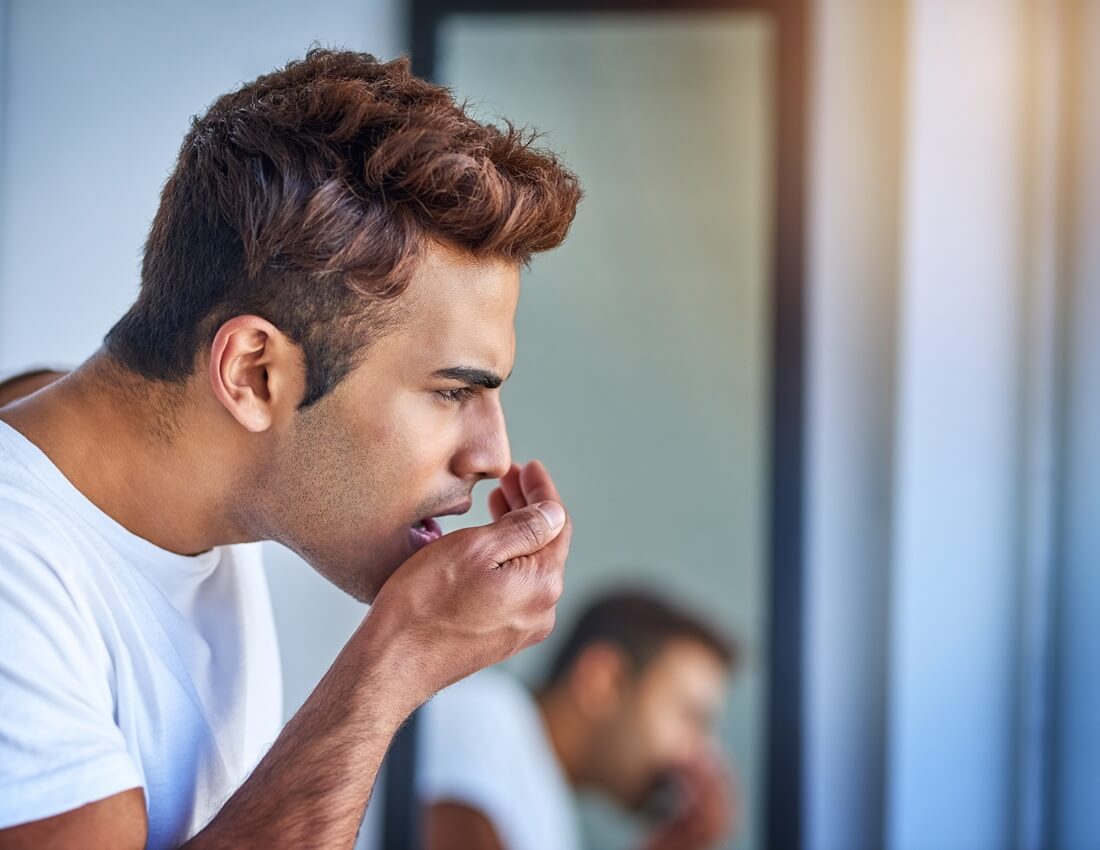
Ever notice your breath hasn’t been the same since getting a filling or crown? It can be surprising and a little embarrassing, especially if the dental work was meant to fix a problem, not create a new one.
Many people don’t expect dental restorations to affect how their breath smells, but it happens more often than you might think. When a crown or filling doesn’t fit right, or starts to break down over time, it can quietly create the perfect space for bacteria to grow, leading to persistent bad breath.
Most of the time, the cause is easy to find and fix. In this post, we’ll explore why your dental work might be causing bad breath, and what you can do at home to keep your smile fresh and clean.
What Causes Bad Breath?
Bad breath, or halitosis, usually starts with bacteria. These bacteria feed on leftover food particles and plaque in your mouth. As they break things down, they release sulfur compounds, what you recognize as that unpleasant odor.
Here are a few common triggers:
- Food particles stuck between teeth
- Bacteria buildup on the tongue
- Dry mouth from medications or dehydration
- Poor oral hygiene
When you add dental restorations into the mix—especially older or improperly fitted ones—they can create hidden spaces where bacteria thrive, making bad breath worse.
How Fillings or Crowns Can Contribute to Bad Breath
A. Poor Margins or Fit
If a crown or filling doesn’t fit perfectly with the affected or damaged tooth, it can leave small gaps or edges around the tooth. These tiny spaces are perfect spots for food debris and bacteria to collect—places your toothbrush might not reach.
Over time, that buildup starts to smell and can also irritate the surrounding gums.
B. Tooth Decay Beneath Restorations
Sometimes, decay can form under a filling or crown, especially if the restoration is older or was placed over a deep cavity. This kind of hidden decay often has no pain early on, but it can release a bad odor or a strange taste in your mouth.
This happens when bacteria sneak in between the tooth and the restoration and start to break down the structure underneath.
C. Cracks or Leaks in Old Fillings or Crowns
Dental work doesn’t last forever. Fillings can crack, and crowns can start to leak over time. This creates tiny entry points for bacteria, allowing them to settle underneath and cause problems—including persistent bad breath.
You might not see these cracks, but if your breath suddenly changes or gets worse, it could be a sign something is happening beneath the surface.
D. Gum Irritation or Infection Around Restorations
If the gums near a crown or filling are red, swollen, or bleed easily, bacteria may be building up along the edges. In some cases, poorly contoured dental work can make it harder to clean around the area, increasing your risk of gum inflammation and infection.
How to Prevent Bad Breath from Crowns and Fillings at Home
Fortunately, there are simple steps you can take at home to keep your breath fresh and prevent buildup around your dental work.
Brush Gently But Thoroughly
Use a soft-bristle toothbrush and take your time cleaning around the edges of your fillings and crowns. Don’t forget to angle the brush toward the gumline.
Floss Every Day
Flossing removes food and plaque between your teeth and just under the edge of your crown or filling—places your toothbrush can’t reach.
Use an Antibacterial Mouthwash
Choose a gentle, alcohol-free mouthwash that targets bacteria without drying out your mouth.
Clean Your Tongue
A lot of odor-causing bacteria live on your tongue. Use a tongue scraper or your toothbrush to gently clean it every day.
Stay Hydrated
Dry mouth leads to bad breath. Drinking plenty of water helps flush away food particles and keeps your mouth moist.
Chew Sugar-Free Gum
Gum helps stimulate saliva, which naturally washes away bacteria. Choose sugar-free gum with xylitol when possible.
Fresh Breath Starts with Healthy Dental Work
If you’ve been dealing with bad breath and suspect your filling or crown might be the cause, you’re probably right. Issues like hidden decay, poor fit, or worn-out dental work can quietly allow bacteria to build up—leading to odor and discomfort over time.
These problems are common, and they’re usually easy to fix with the right care and attention.
At Spearmint Dental & Orthodontics in Wichita Falls, we take a close look at your restorations to find the source of the problem and offer solutions that leave your mouth feeling clean, healthy, and fresh again.
Contact us today to schedule your appointment today at our two convenient locations in Princeton and Wichita Falls.