You bite into something hard, and suddenly feel that tiny chip on your front tooth. Or maybe you’ve had a small gap between your teeth for years, but now it’s starting to bother you every time you smile in the mirror.
Dental bonding is a fast, safe, and cost-effective cosmetic solution for fixing minor chips, cracks, or gaps, and other cosmetic flaws without extensive procedures. It’s quick, minimally invasive, and often done in just one appointment.
In this blog, we’ll break down how dental bonding works, whether it’s a safe option, how long it lasts, and when it makes sense compared to other cosmetic treatments.
What Is Dental Bonding?
Dental bonding is a cosmetic dental procedure that involves applying a tooth-colored composite resin to repair minor imperfections in the teeth. It’s commonly used for:
- Repairing chipped or cracked teeth
- Closing small gaps between teeth
- Improving the appearance of discolored teeth
- Changing the shape of teeth or making them appear longer
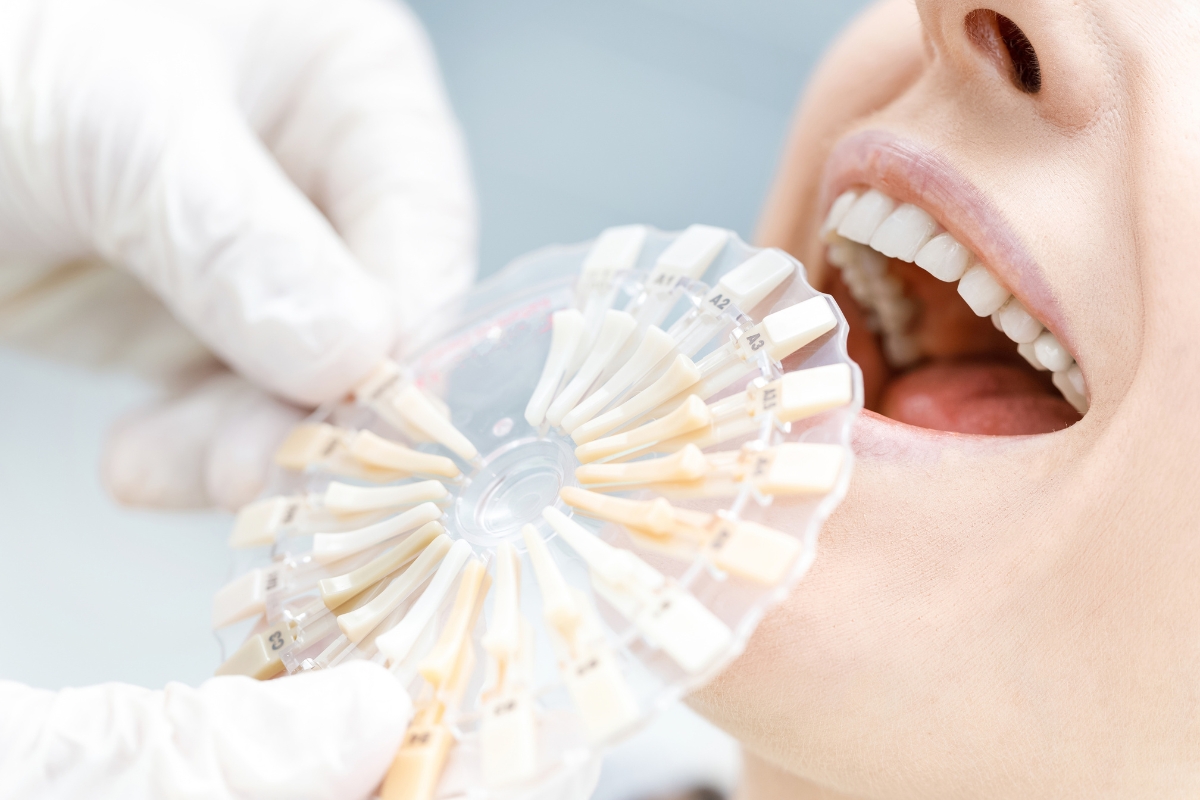
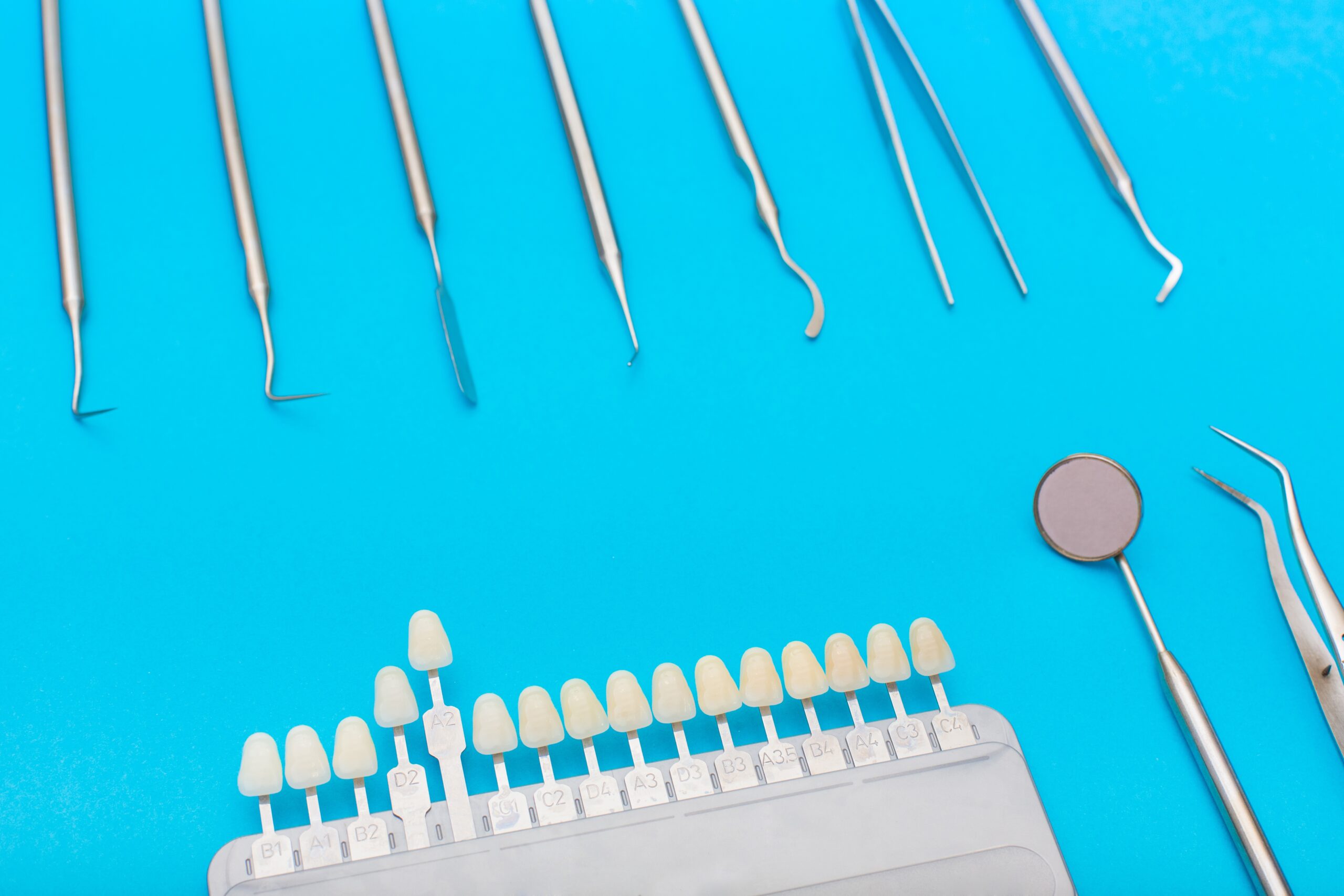
The bonding material is carefully shaped and polished to blend with the surrounding tooth structure. This treatment is non-invasive, often doesn’t require anesthesia, and can be completed in a single, convenient visit.
Is Dental Bonding Safe?
Yes, dental bonding is considered a very safe procedure. The composite resin used is biocompatible, meaning it works well with your body and doesn’t pose any known health risks. Since bonding is non-invasive and doesn’t usually involve altering the underlying tooth structure, it preserves the natural tooth better than more extensive treatments.
There’s no drilling into the tooth unless there is decay or damage present, and the process is entirely reversible which makes it a low-risk option for cosmetic enhancement.
Longevity and Maintenance of Dental Bonding
The longevity of dental bonding depends on a few factors, including the location of the bonded tooth, your oral hygiene habits, and lifestyle choices. On average, dental bonding can last anywhere from 3 to 10 years.
To help extend the life of bonding material, it’s best to:
- Avoid biting on hard objects (like ice or pens)
- Maintain regular brushing and flossing habits
- Limit staining foods and beverages like coffee, tea, and red wine
- Keep up with routine dental checkups and cleanings
While bonding isn’t as durable as porcelain crowns or veneers, it’s a practical solution for minor issues, especially on front teeth that don’t endure heavy chewing forces.
Is Dental Bonding a Cost-Effective Option?
Compared to other cosmetic procedures, dental bonding is one of the most affordable treatments available. It requires less time in the chair, fewer materials, and no lab fees, which helps keep costs down.
It’s a particularly good option for people who want to improve their smile without the commitment of more extensive procedures like veneers or orthodontics. Bonding can also be a helpful transitional treatment for patients considering more permanent cosmetic solutions in the future.
In most cases, dental insurance doesn’t cover bonding for cosmetic reasons, but if the procedure is needed to repair a damaged tooth, partial coverage might apply. Your dentist can help determine whether any portion of the cost is eligible for insurance benefits.
Limitations and Alternatives to Dental Bonding
Dental bonding works well for many minor cosmetic concerns, but it’s not suitable for every situation. It may not be the best choice if:
- The tooth is severely decayed or structurally weakened
- You have large gaps that may require orthodontic correction
- You’re looking for a permanent, stain-resistant solution
In those cases, alternative treatments such as crowns, veneers, or Invisalign may be more effective in achieving long-term results. A thorough dental evaluation can help determine which option best meets your needs.
For Your Cosmetic Dentistry Solutions, Contact Spearmint Dental & Orthodontics
For those looking to improve their smile, dental bonding is a quick and affordable solution to consider. It’s safe, minimally invasive, and ideal for treating small imperfections with natural-looking results.
To find out if bonding is right for your smile, schedule a consultation with our team. At Spearmint Dental & Orthodontics, we provide personalized cosmetic dentistry options right here in Wichita Falls.
Contact us to book your visit online to get started on a smile that feels as good as it looks.
Frequently Asked Questions
1. Does dental bonding hurt?
Dental bonding is usually a painless procedure. Since it doesn’t involve drilling or removing much tooth structure, most patients don’t need anesthesia. It’s a non-invasive treatment, making it comfortable even for those with dental sensitivity or anxiety. Mild discomfort is rare but temporary if it occurs.
2. Can bonded teeth be whitened?
Bonding material cannot be whitened with traditional teeth whitening methods. If you’re planning to whiten your smile, it’s best to do so before bonding. That way, the bonding resin can be matched to your newly whitened teeth for a consistent, natural-looking result across your entire smile.
3. How long does dental bonding take?
Dental bonding typically takes 30 to 60 minutes per tooth. Most cases can be completed in one visit, depending on the number of teeth treated and the complexity of the work. It’s a quick, efficient procedure that provides immediate cosmetic improvements with minimal time in the dental chair.