When it comes to dental health, sometimes a simple filling isn’t enough to restore a tooth. In such cases, dentists often recommend dental crowns. These crowns act like a cap that covers a damaged tooth, restoring its shape, size, strength, and appearance. If you’re considering getting a dental crown, it’s essential to understand the different types available and what might be best for your needs. This blog will explore the various types of dental crowns, their benefits, and how to choose the right one for you.
What is a Dental Crown?
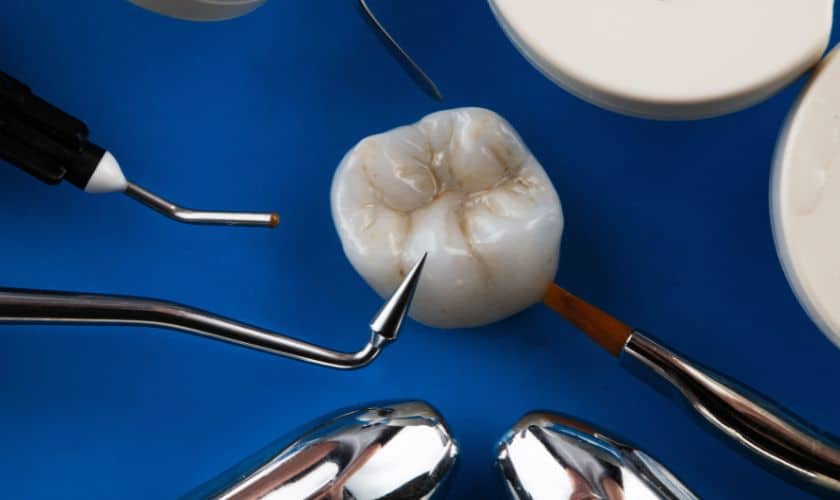
A dental crown is a custom-made cap that fits over a tooth that’s been damaged due to decay, cracks, or other issues. It covers the visible portion of the tooth above the gum line and can be made from various materials. Crowns are designed to look and function like your natural teeth, providing both aesthetic and functional benefits.
Why You Might Need a Dental Crown
Dental crowns are used for several reasons, including:
- Protecting a weak tooth from breaking
- Restoring an already broken tooth
- Covering and supporting a tooth with a large filling
- Holding a dental bridge in place
- Covering misshaped or severely discolored teeth
- Covering a dental implant
Types of Dental Crowns
There are several types of dental crowns, each with its own set of advantages. Here’s a look at the most common types:
1. Porcelain Crowns
Porcelain crowns are known for their natural appearance. They are made from a type of ceramic that closely mimics the look of natural teeth. These crowns are especially popular for front teeth, where aesthetics are crucial. Porcelain crowns are also a good option for people who have metal allergies.
Benefits:
- Natural look and color
- Stain-resistant
- Suitable for people with metal allergies
Considerations:
- Not as strong as metal crowns
- Can wear down opposing teeth
2. Ceramic Crowns
Ceramic crowns are similar to porcelain crowns but are made from a slightly different material. They offer the same natural look and are often used for front teeth. These crowns are also highly biocompatible, meaning they are less likely to cause an allergic reaction.
Benefits:
- Natural appearance
- Biocompatible
- Durable
Considerations:
- Can be more expensive
- Not as strong as metal crowns
3. Metal Crowns
Metal crowns are made from various alloys, including gold, palladium, nickel, or chromium. They are incredibly durable and can withstand heavy biting and chewing forces. These crowns are typically used for molars, where they are less visible.
Benefits:
- Very durable
- Require less removal of tooth structure
- Withstand biting and chewing forces well
Considerations:
- Metallic color
- Not suitable for front teeth
4. Porcelain-Fused-to-Metal (PFM) Crowns
PFM crowns combine the strength of metal with the aesthetics of porcelain. The metal base provides durability, while the porcelain overlay offers a natural appearance. These crowns are a popular choice for both front and back teeth.
Benefits:
- Strong and durable
- Natural look
- Good fit
Considerations:
- Can cause wear on opposing teeth
- Metal can sometimes show through the porcelain
5. Zirconia Crowns
Zirconia crowns are made from zirconium dioxide, a very strong type of ceramic. They combine the durability of metal crowns with the natural look of porcelain crowns. Zirconia crowns are becoming increasingly popular due to their strength and aesthetics.
Benefits:
- Very strong and durable
- Natural appearance
- Biocompatible
Considerations:
- Can be more expensive
- Can cause wear on opposing teeth
6. Resin Crowns
Resin crowns are made from composite resin, a tooth-colored material. These crowns are less expensive than other types but are also less durable. They are often used as a temporary solution.
Benefits:
- Cost-effective
- Natural appearance
Considerations:
- Less durable
- Prone to wear and fractures
Choosing the Right Dental Crown
Choosing the right dental crown depends on several factors, including the location of the tooth, the function of the tooth, your budget, and your personal preferences. Your dentist in Wichita Falls will help you decide which type of crown is best for your situation.
The Process of Getting a Dental Crown
The process of getting a dental crown typically involves two visits to the dentist. During the first visit, the dentist will examine and prepare the tooth, take impressions, and place a temporary crown. At the second visit, the temporary crown is removed, and the permanent crown is fitted and cemented in place.
Caring for Your Dental Crown
Proper care of your dental crown can extend its lifespan. Here are some tips to keep in mind:
- Brush and floss regularly to prevent decay and gum disease.
- Avoid chewing hard foods and ice to prevent damage.
- Visit your dentist regularly for check-ups and cleanings.
In Summary
Dental crowns are a versatile and effective solution for restoring damaged teeth. Whether you need a crown for a front tooth or a molar, understanding the different types can help you make an informed decision. If you’re considering a dental crown, consult with our dentist in Wichita Falls, TX to find the best option for your dental needs. With the right care, your dental crown can provide a long-lasting and natural-looking restoration.