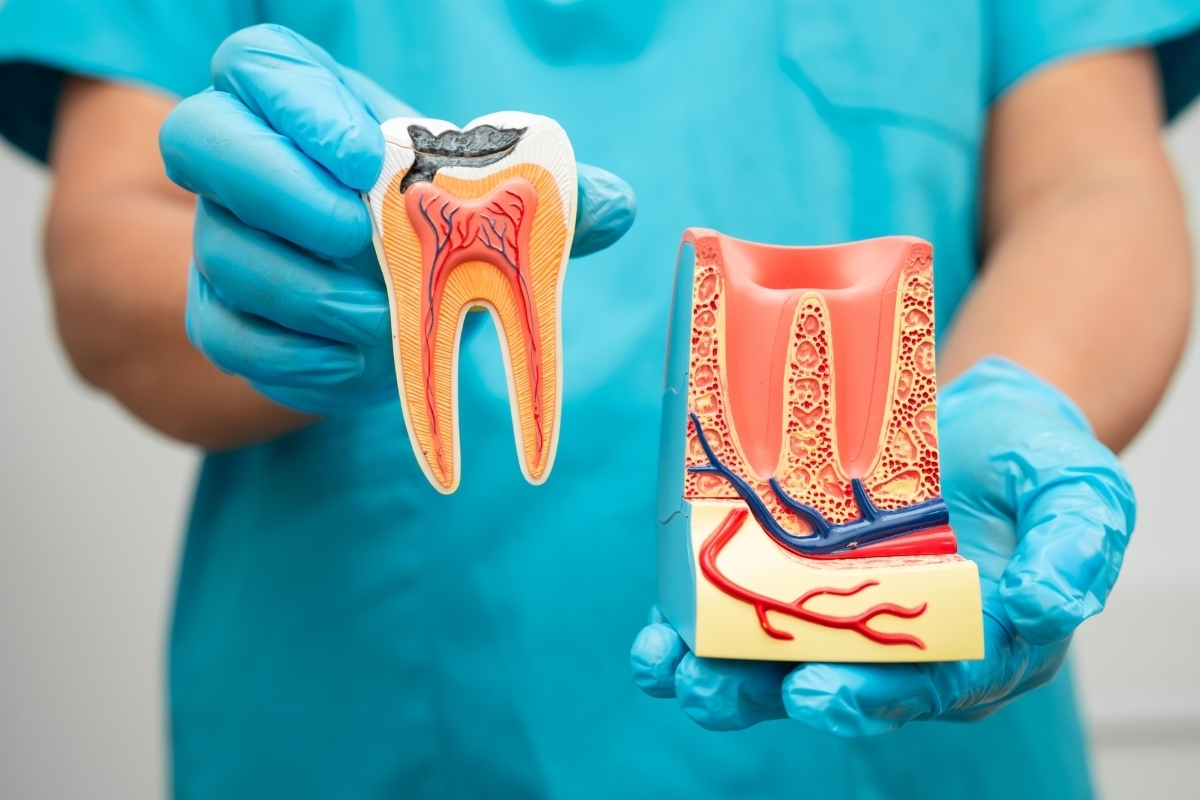
Saving a natural tooth from severe infection or decay is a major victory for your oral health. While the initial procedure effectively clears out the painful bacterial infection from the delicate root chamber, the journey to a fully restored and functional smile doesn’t always end when you leave the operatory chair. Many individuals wonder about the next logical phase of restoration, specifically asking themselves how to ensure their treated tooth can withstand daily biting forces for years to come.
Our modern dental practice, Spearmint Dental & Orthodontics, is proud to provide comprehensive general and restorative care to help our community members maintain structurally sound smiles. Under the expert guidance of our practitioners, Dr. James Garrett, Dr. Jan Ortiz, Dr. Taylor Hewett, and Dr. Nirav Ribadiya, we deliver precise restorative treatments to protect your long-term dental health. If you have recently undergone a restorative procedure or have been told you need one, please contact us for a consultation at one of our convenient offices.
When Do You Need a Dental Crown After a Root Canal?
Following endodontic treatment, a crown is required when the treated tooth has suffered extensive structural loss or is located in a high-pressure chewing zone. A protective cap is essential for preventing fractures, sealing out oral bacteria, and restoring complete biting functionality.
When determining when you need a dental crown after a root canal, our practitioners look at several vital physiological factors:
Tooth Anatomy and Location
Your mouth exerts immense pressure on your back teeth. Your molars and premolars act as the primary engines for grinding down food, bearing the brunt of your bite force. Due to this constant physical stress, posterior teeth almost always require a full-coverage cap to keep them from fracturing.
The Extent of Pre-Existing Decay
In many situations, a tooth requires endodontic care because a massive cavity has already compromised a huge portion of its natural structure. When you subtract the internal pulp and the decayed enamel, what is left is often a hollowed-out shell that cannot safely anchor a standard filling.
Bruxism and Lifestyle Habits
Chronic teeth grinding or clenching puts extreme stress on your dentition. If you have a habit of clenching your jaw during stressful commutes along the Southwest Parkway in Wichita Falls or while navigating traffic near US-380 in Princeton, that extra physical force makes a protective cap even more urgent.
Risks of Delaying After Treatment.
Leaving a tooth unprotected after a root procedure exposes it to two primary risks: structural fracture and bacterial recontamination. When a tooth is deprived of its internal blood flow, it naturally becomes less resilient over time.
Horizontal and Vertical Root Fractures
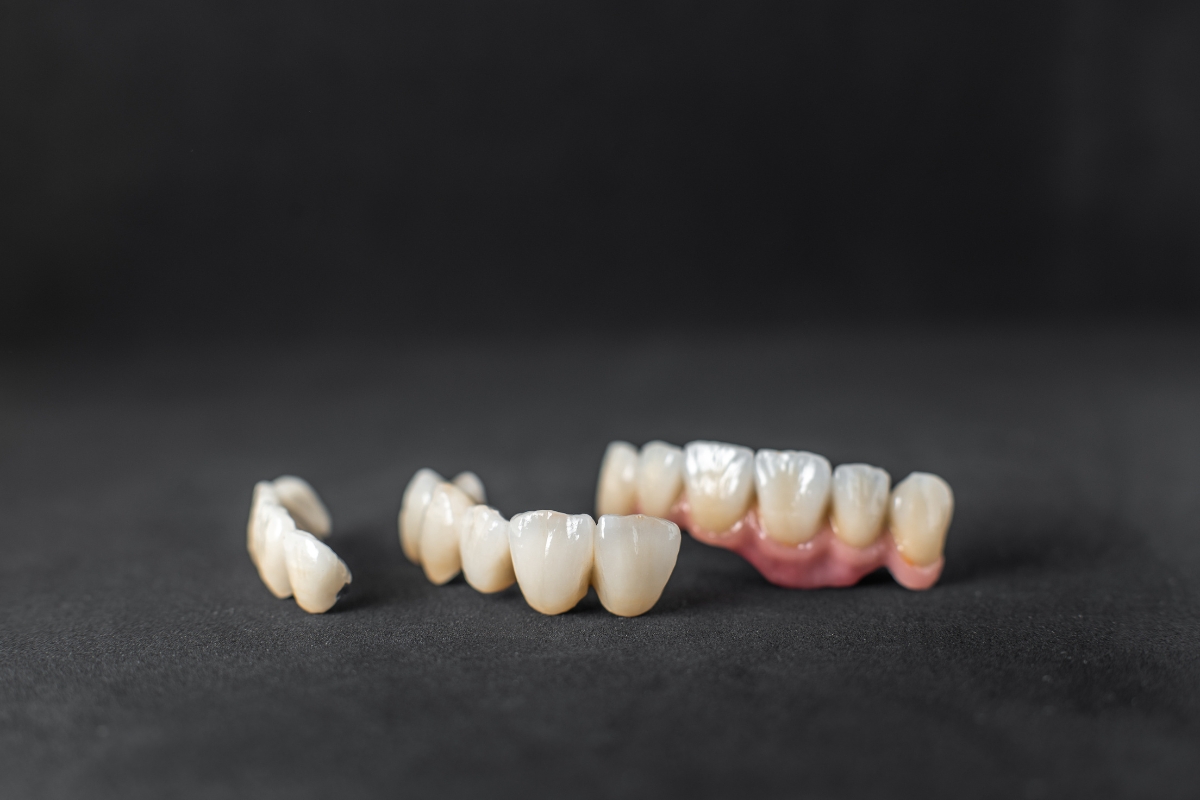
Without the 360-degree binding support of a porcelain or porcelain-fused-to-metal cap, the remaining cusps of a molar can easily flex away from each other when you bite down. This flexing action can cause deep vertical cracks that travel all the way down below the gumline. Once a fracture extends into the root structure, the tooth can no longer be saved and must be extracted.
Bacterial Microleakage
A standard dental filling can expand and contract slightly when exposed to temperature changes from hot morning coffee or ice-cold sweet tea. Over time, this shifting can create microscopic gaps along the edges of the filling. Bacteria from your saliva can slip into these tiny spaces, travel down the root system, and trigger a secondary infection that requires complex retreatment.
Protecting Your Smile’s Structural Future
Ultimately, deciding when you need a dental crown after a root canal comes down to protecting a vulnerable asset. While endodontic therapy effectively eliminates severe interior infection, it is the structural reinforcement of a custom coronal restoration that prevents a catastrophic vertical fracture down the road. Ensuring that a heavily used posterior tooth receives 360-degree coverage is the single most reliable step you can take to preserve your natural bite alignment, protect your investment, and enjoy your favorite local Texas meals completely worry-free.
As everyone exhibits a unique bite force, differing levels of pre-existing decay, and distinct jaw patterns, a generic timeline simply cannot substitute for an expert, hands-on clinical assessment. To safely address your individual oral health needs, schedule a comprehensive diagnostic evaluation at our office to understand your specific anatomical demands and map out your path to long-term recovery. Schedule a consultation today.
FAQs
Does every tooth need a crown immediately after a root canal?
No, not every single tooth requires an immediate cap. Front teeth with minimal structural damage can often be safely restored with a standard composite filling instead of a full-coverage crown.
How long can a tooth go without a crown after endodontic treatment?
You should generally receive your permanent cap within a few weeks of your procedure. Waiting too long increases the risk of the temporary filling failing or the tooth fracturing under pressure.
What are the symptoms of an unprotected tooth fracturing after treatment?
An unprotected tooth fracture can cause localized discomfort when biting, sudden temperature sensitivity, or visible loose pieces. Swelling in the nearby gum tissues can also indicate a deep structural crack.
Can a root-treated tooth split completely in half without a cap?
Yes, a treated tooth can split in half if it is left unprotected. Without a crown to bind the remaining structures together, heavy biting forces can cause a catastrophic vertical fracture.
Is the placement of a dental crown painful after a root canal?
No, placing a dental crown is generally a highly comfortable process. Because the nerve tissues were completely removed during your initial root procedure, the tooth itself cannot feel any pain.
What materials are used to create modern custom dental crowns?
Modern dental caps are typically crafted from durable materials like porcelain, ceramic, zirconia, or metal alloys. The choice of material depends on the tooth’s location and your aesthetic preferences.
Can a dental crown fail or develop a cavity underneath it?
Yes, a crown can fail if oral bacteria manage to seep beneath the restoration’s margins. Maintaining excellent oral hygiene and attending regular professional cleanings are essential to preventing decay around the base.