For many active patients, whether it’s a weekend basketball game, school athletics, or staying fit after work, protecting your smile matters just as much as performance. A common question we hear from patients in Princeton is whether dental implants can truly keep up with an active lifestyle.
If you’ve been considering tooth replacement and want something that feels secure during physical activity, it’s natural to wonder how implants hold up over time. Patients exploring options with an implant dentist in Princeton often want reassurance that their treatment will support both everyday function and more demanding activities like sports.
Why Durability Matters for Active Lifestyles
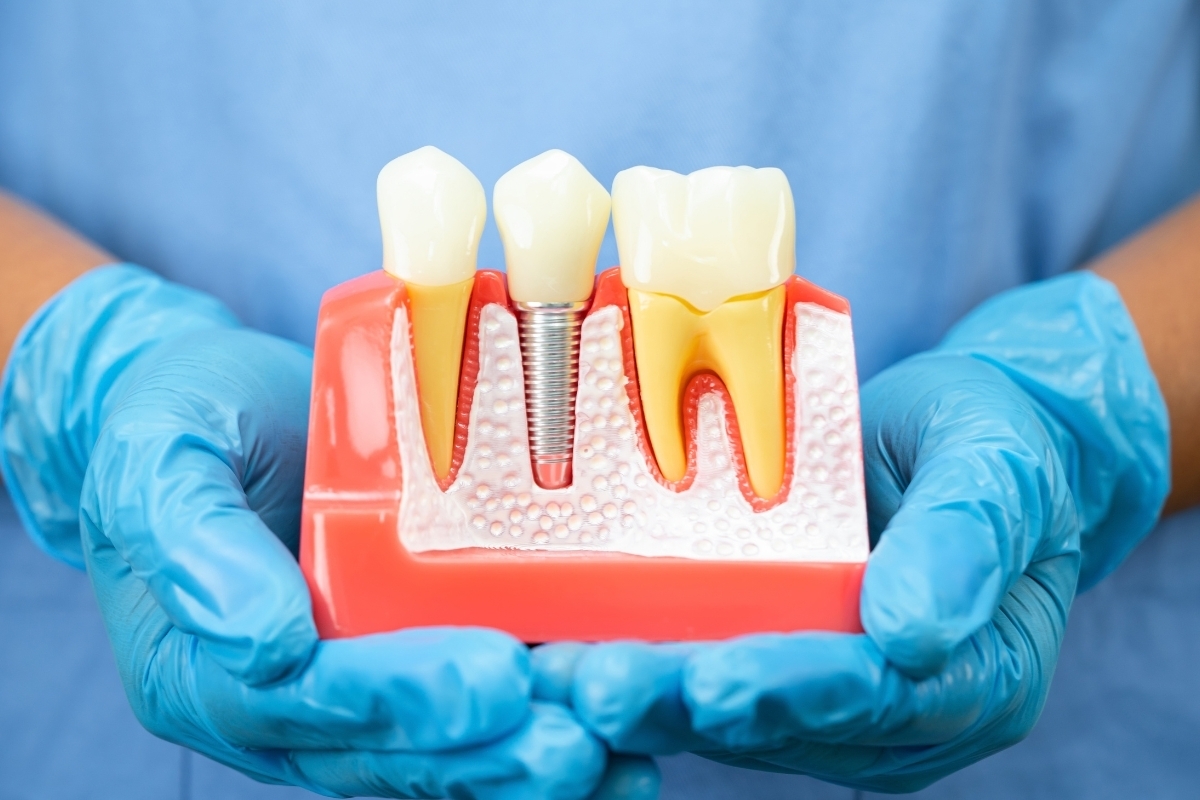
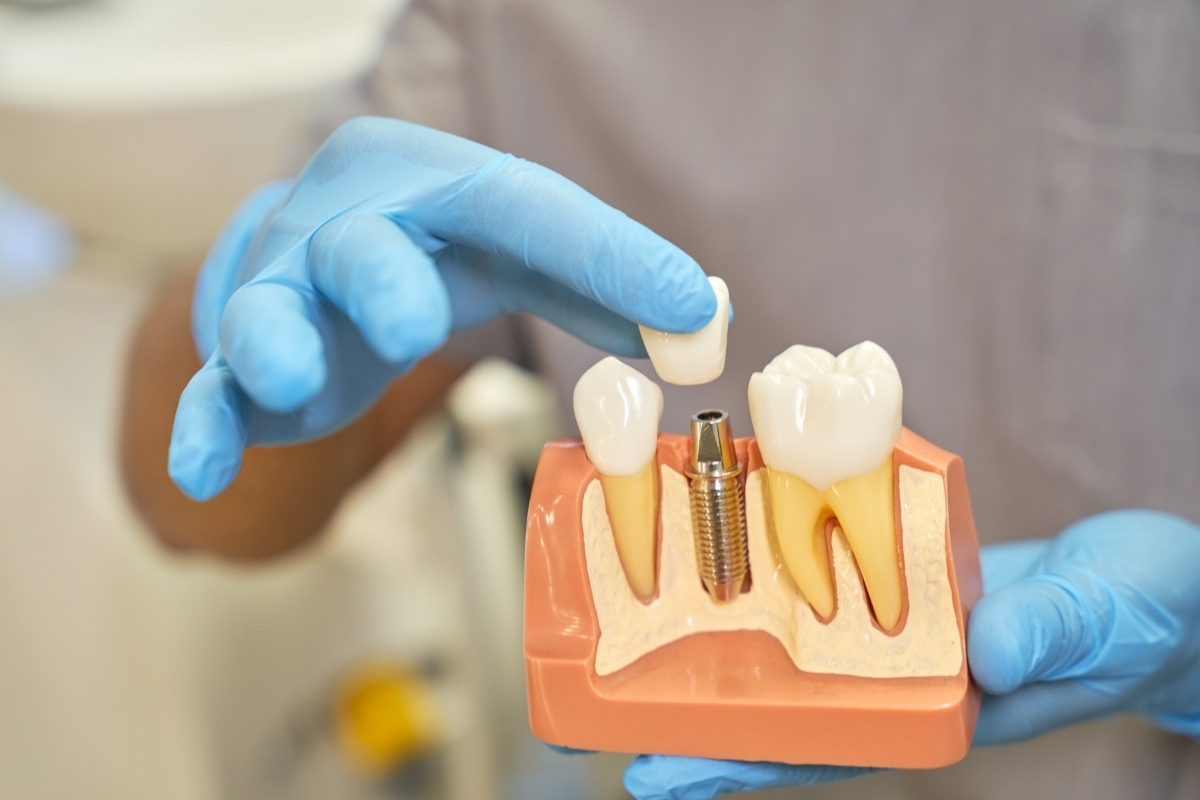
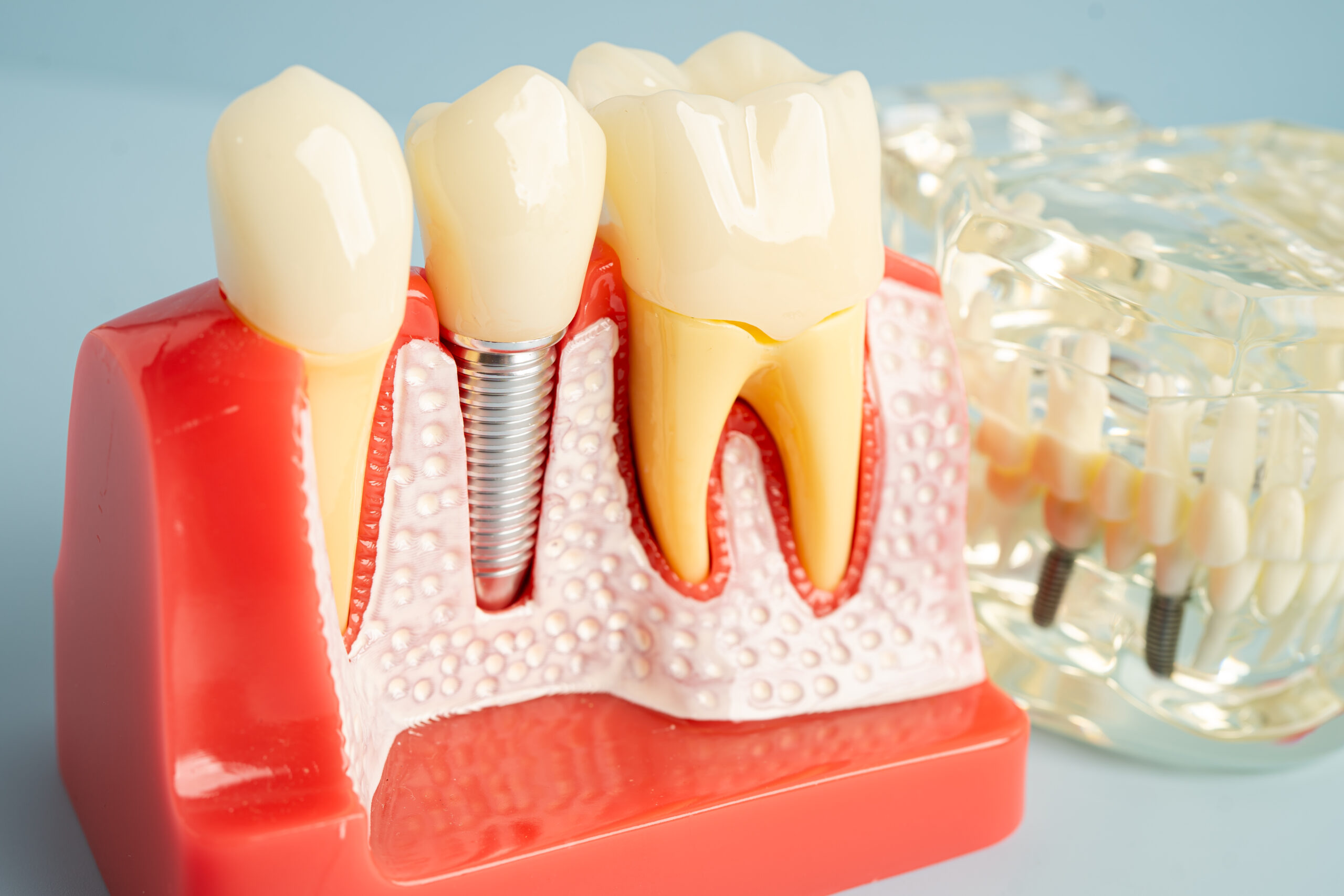
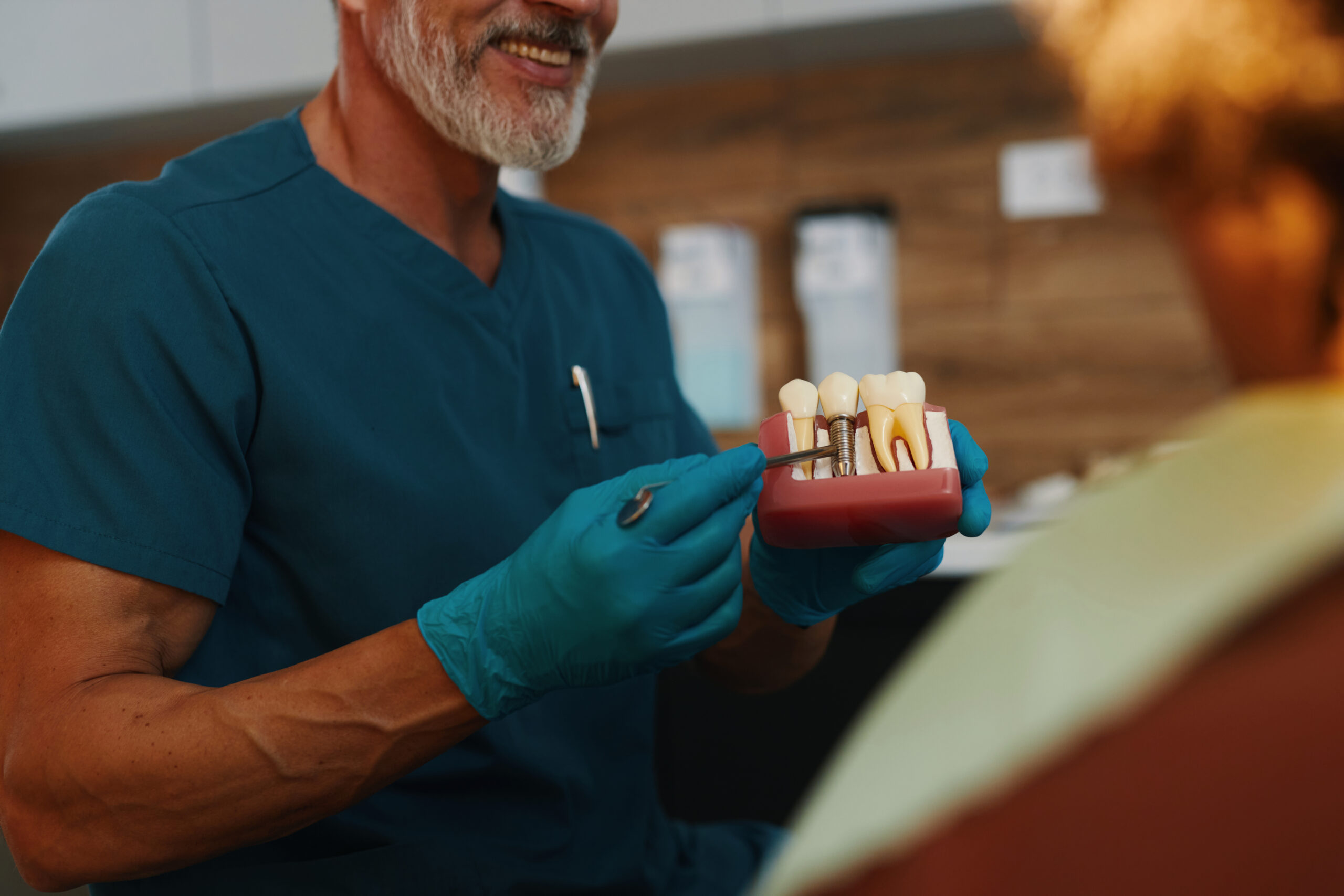
Dental implants are designed to replace missing teeth in a way that closely mimics natural structure. Unlike removable options, implants are anchored into the jawbone, creating a stable and long-lasting foundation.
For patients who stay active, durability isn’t just about longevity—it’s about:
- Stability during movement
- Confidence while speaking or eating
- Reduced worry about shifting or slipping
This becomes especially important for teens in school sports, adults who exercise regularly, or anyone participating in recreational leagues around Princeton and nearby areas like McKinney.
What Makes Dental Implants Strong?
The strength of dental implants comes from two key factors:
1. Titanium Structure
Implants are made from biocompatible titanium, a material widely used in medical procedures for its strength and compatibility with the body.
2. Osseointegration
After placement, the implant fuses with the jawbone through a natural process called osseointegration. This creates a stable, root-like structure that supports chewing and daily use.
Once fully healed, implants are designed to function similarly to natural teeth, making them one of the most durable tooth replacement options available.
Can Dental Implants Withstand Sports?
In most cases, yes—dental implants are highly durable and can withstand normal physical activity, including many sports.
However, it’s important to understand the difference between strength and impact resistance.
- Implants are strong under pressure (like chewing)
- But direct trauma (such as a hit to the face) can still cause damage
This is similar to natural teeth—while they are strong, they are not immune to injury during contact sports.
Sports That Typically Pose Low Risk
- Running or jogging
- Cycling
- Gym workouts
- Yoga or fitness classes
Sports With Higher Impact Risk
- Football
- Basketball
- Martial arts
- Hockey
For higher-impact activities, additional protection is important.
Protecting Your Implant During Sports
If you have a dental implant and participate in sports, simple precautions can help protect your investment and your oral health.
Wear a Custom Mouthguard
A professionally made mouthguard provides cushioning and helps absorb impact. This is especially important for contact sports.
Avoid Using Teeth as Tools
Opening packages or biting hard objects can place unnecessary stress on both natural teeth and implants.
Stay Consistent with Dental Checkups
Routine visits help monitor the health of your implant, surrounding bone, and gums.
These steps are often discussed with patients receiving implant care in Princeton, especially those with active routines or children involved in school sports.
How Long Do Dental Implants Last?
Dental implants are considered a long-term solution. With proper care, the implant itself can last decades, and in many cases, a lifetime.
The visible crown (the part that looks like a tooth) may need replacement over time due to normal wear, but the underlying implant is designed for long-term stability.
Factors that influence longevity include:
- Oral hygiene habits
- Bone health
- Lifestyle (including sports participation)
- Regular dental care
Are Implants Safer Than Other Options for Athletes?
Compared to removable dentures or partials, implants offer significant advantages for active individuals.
- They don’t shift or move during activity
- They allow for natural chewing and speaking
- They eliminate concerns about slipping
For athletes or active patients, this stability often makes implants a more practical and comfortable option.
What Happens If There’s an Injury?
Even with precautions, accidents can happen. If you experience trauma during sports:
- Contact your dental provider as soon as possible
- Avoid chewing on the affected area
- Follow recommended evaluation steps
Early assessment helps ensure that both the implant and surrounding structures remain healthy.
How Dentists Plan Implant Treatment for Active Patients
When planning implant treatment, your dentist considers more than just replacing a missing tooth. For active patients, additional factors may include:
- Jawbone strength and density
- Bite alignment and force distribution
- Risk level based on lifestyle
- Preventive strategies like mouthguards
This personalized approach helps ensure your implant supports both daily life and long-term function.
A Thoughtful Approach to Staying Active with Implants
Dental implants are designed to be strong, stable, and long-lasting. For most patients, they can comfortably support an active lifestyle, including sports, with the right precautions in place.
If you or your child participates in sports, open communication about habits and routines helps guide better planning and protection.
If you’d like to talk through your lifestyle, activity level, or questions about implant durability, you can visit Spearmint Dental & Orthodontics to better understand what approach may be appropriate for your needs.
FAQs
Can I play sports after getting dental implants?
Yes, once healing is complete, most patients can return to normal activities, including sports. Protective gear like a mouthguard is recommended for contact activities.
Are dental implants stronger than natural teeth?
Implants are very strong and durable, but like natural teeth, they can still be damaged by direct trauma.
Do I need a mouthguard if I have implants?
Yes, especially for contact sports. A custom mouthguard helps protect both implants and natural teeth.
Can children or teens with implants play sports?
In carefully selected cases, yes. Dentists will evaluate growth and development before recommending implants for younger patients.
What should I do if my implant feels loose after an injury?
Contact your dental office as soon as possible for evaluation. Early care helps prevent further complications.