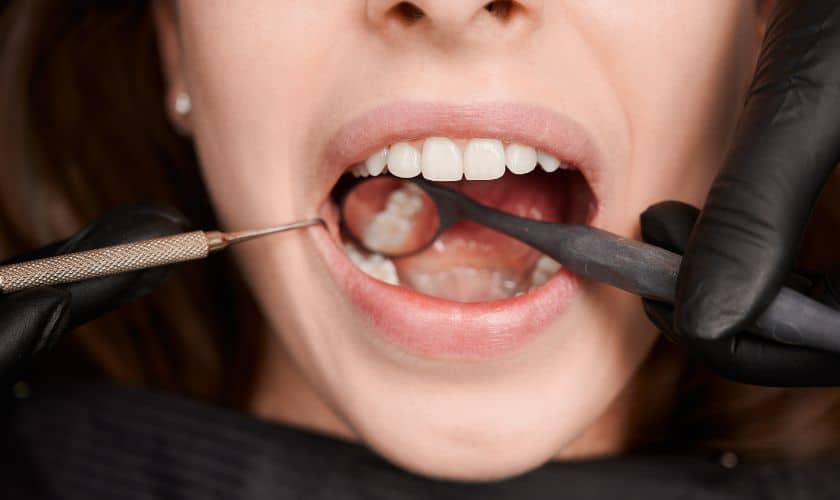
Most people think of brushing and flossing as a way to avoid cavities or keep their breath fresh. But what’s happening in your mouth can have a surprising impact on your entire body. Your oral health is closely connected to your heart, lungs, brain, and more.
Oral health is closely linked to overall health because the mouth serves as a gateway to the rest of the body. Bacteria, inflammation, and untreated dental issues can influence major systems, including the heart, lungs, and immune response, often before symptoms appear elsewhere.
In this blog, we will explore how your oral health can affect various parts of your body, highlight the medical conditions most influenced by dental health, and share practical steps to protect your smile and your well-being.
Link Between Oral Health and Overall Health
Gum Disease and Inflammation Throughout the Body
Gum disease is one of the most common chronic conditions, and also one of the most overlooked. When bacteria build up under the gums, they trigger inflammation. Over time, this inflammation doesn’t just stay in place. It can spread through the bloodstream and contribute to systemic inflammation, which is tied to conditions like heart disease, stroke, and even certain types of cancer.
The link between gum health and overall health is strong in people with untreated periodontal disease. Inflammation in the mouth adds to the body’s total inflammatory burden, which can stress your immune system and organs over time.
How Oral Health Affects Diabetes Control
For patients living with diabetes, the relationship with oral health goes both ways. Elevated blood sugar levels can weaken the body’s defenses, making it easier for gum infections to develop. But once gum disease sets in, it can also cause spikes in blood sugar and make diabetes more difficult to manage.
This ongoing cycle means that even a mild gum infection could interfere with how well a diabetic patient feels day to day. Managing both conditions together is essential.
Oral Health and Cardiovascular Risk
Multiple studies have shown a link between poor oral hygiene and an increased risk of heart disease. While the exact mechanism is still being studied, it’s believed that oral bacteria may contribute to the buildup of plaque in arteries, a process known as atherosclerosis.
The mouth is one of the easiest places for bacteria to enter the bloodstream, especially if the gums are inflamed or bleeding. Once there, those bacteria may affect blood vessels and heart function in subtle but serious ways.
The Mouth-Lung Connection
Oral health doesn’t just affect the heart and blood sugar, it can impact the lungs, too. When harmful bacteria accumulate in the mouth, they can be inhaled into the respiratory tract, increasing the risk of pneumonia and worsening conditions like asthma or COPD.
This connection is particularly important for older adults and people with weakened immune systems. Good oral hygiene may help reduce hospital stays and complications related to lung infections.
Bone Health, Tooth Loss, and the Jaw
The health of your bones plays a direct role in your oral stability. Conditions like osteoporosis can weaken the jawbone, making it harder for teeth to stay anchored. If the bone around your teeth starts to shrink or thin, tooth loss becomes more likely, even if the teeth themselves are healthy.
Jawbone density is also a key consideration for treatments like dental implants. If the bone is too weak, implants may not heal properly without additional support.
What You Can Do to Keep Your Mouth (and Body) Healthy
Now that you know how oral health affects the rest of your body, the next question is: what can you do about it?
Here are steps you can take to protect both your smile and your overall wellness:
1. Don’t Skip Preventive Dental Visits
Seeing your dentist every six months allows us to catch issues early—often before you feel any symptoms. These visits aren’t just about cleanings; they’re about monitoring your oral health in relation to your whole body, especially if you’re managing a chronic condition.
2. Keep Your Medical History Up to Date
Be open with your dental team about any medications, health changes, or diagnoses. We tailor our care based on what’s happening with the rest of your health, not just what we see in your mouth.
3. Pay Attention to Subtle Symptoms
Bleeding gums, dry mouth, persistent bad breath, or a change in how your bite feels may all point to bigger health concerns. Don’t wait for pain to schedule a checkup, early intervention can prevent small problems from becoming serious ones.
4. Notice The Impact of Medications
Many common medications can affect your oral health, from dry mouth to delayed healing. If you’re taking medications for heart disease, osteoporosis, depression, or other conditions, let your dentist know. We can help minimize side effects that may be affecting your teeth and gums.
5. Eat Healthy Diet
A diet that supports oral health also supports your whole body. Choose foods rich in fiber, calcium, vitamin D, and antioxidants. Limit added sugars and acidic drinks, which can wear down enamel and feed harmful bacteria.
6. Avoid Stress
Chronic stress can weaken your immune system, increase inflammation, and even contribute to issues like teeth grinding or gum recession. Managing stress through sleep, exercise, and self-care helps your body, and your mouth stay balanced.
Take a Whole-Health General Dentistry Approach With Spearmint Dental & Orthodontics
If it’s been a while since your last dental visit, or if you’re managing a medical condition and want to be proactive, our team is ready to help. We take the time to understand your overall health and provide dental care that fits into your bigger wellness goals.
Contact us today to schedule an appointment. We have two convenient dental offices in Texas – Princeton and Wichita Falls. Our dentist will take a closer look at your oral health and help you with the steps for improving overall health.
Frequently Asked Questions
How can gum disease affect my heart health?
Research suggests that bacteria from infected gums can enter the bloodstream and contribute to inflammation in the arteries. This may increase the risk of heart disease, high blood pressure, and even stroke over time.
Is it safe to visit the dentist if I have a chronic medical condition?
Yes, and in many cases, it’s even more important. Conditions like diabetes, osteoporosis, or autoimmune disorders can affect your oral health. Keeping your dental team informed allows us to tailor your care and monitor for any early signs of complications.
Can poor oral health weaken my immune system?
Chronic infections in the mouth like untreated gum disease can put ongoing stress on your immune system. This may make it harder for your body to fight off other illnesses or recover from them quickly.
What are some signs that my oral health might be affecting my overall health?
Persistent gum bleeding, bad breath, dry mouth, loose teeth, or jaw discomfort can sometimes signal underlying health issues. If you notice any of these, it’s a good idea to schedule a dental exam to rule out deeper concerns.