Choosing clear aligner treatment involves more than deciding that you want straighter teeth. A successful treatment plan begins with a detailed evaluation of your tooth alignment, bite, gum health, and overall dental condition. Your first consultation provides the clinical information needed to determine whether this approach is appropriate for your needs.
For patients considering Invisalign in Princeton, the initial visit is an opportunity to assess the condition of their teeth and understand what the correction may involve. At Spearmint Dental & Orthodontics – Princeton, the consultation focuses on evaluating your orthodontic needs, reviewing appropriate treatment options, and explaining the steps required before treatment can begin.
Understanding what happens during this appointment can help you arrive informed and prepared.
What Happens During an Invisalign Consultation?
An Invisalign consultation is a comprehensive assessment of your teeth, bite, and supporting oral structures. The purpose is to determine what is causing the alignment problem and whether clear aligner therapy can produce predictable tooth movement.
During the examination, the dental team may assess:
- Crowded or overlapping teeth
- Spaces between teeth
- Rotated or tilted teeth
- Overbite and underbite
- Crossbite
- Dental arch relationships
- Previous orthodontic relapse
- Gum and periodontal health
- Existing crowns, bridges, or other restorations
This evaluation looks beyond the appearance of the front teeth. Proper treatment planning must also consider how the upper and lower teeth contact each other during biting and chewing.
How Are Your Teeth and Bite Evaluated?
A clinical examination allows the provider to assess both tooth position and bite relationships.
The evaluation may include the amount of crowding or spacing, tooth rotation, dental arch form, and the way your upper and lower jaws meet. Your provider will also examine the health of your teeth and gums before recommending active tooth movement.
Diagnostic records may include digital dental scans, clinical photographs, and dental X-rays when appropriate.
These records provide information that cannot always be identified through visual examination alone. They can also help determine whether your concern is primarily tooth alignment or involves a more complex bite problem requiring additional orthodontics.
Will Digital Scanning Be Part of Your First Visit?
Digital scanning is commonly used to collect detailed information about the shape and position of the teeth.
A dental scanner creates a three-dimensional representation of your dental arches. The digital model allows the provider to evaluate crowding, spacing, rotations, and inter-tooth relationships.
For patients proceeding with Invisalign treatment in Princeton, these records may become part of the treatment-planning process. They can help determine how individual teeth need to move and in what sequence.
A digital treatment preview may also be available in some cases. However, this visualization represents a proposed treatment plan, not a guaranteed clinical outcome.
How Is Invisalign Candidacy Determined?
Not every alignment problem requires the same treatment approach. Candidacy depends on the type of tooth movement required, bite complexity, oral health, and the patient’s ability to follow treatment instructions.
Clear aligner therapy may be considered for concerns such as:
- Mild to moderate crowding
- Spaces between teeth
- Certain tooth rotations
- Some overbite or underbite concerns
- Selected crossbite cases
- Teeth that shifted after previous braces
More complex tooth or bite movements may require additional orthodontics or a different treatment approach.
Oral health is equally important. Active periodontal disease, untreated cavities, or other dental conditions may need to be addressed before treatment begins. Moving teeth in an unhealthy oral environment can complicate care.
What Should You Discuss With Your Provider?
The consultation should include a detailed conversation about your clinical needs and treatment expectations.
Explain what you have noticed about your teeth or bite. This could include crowding that has worsened over time, spaces between teeth, difficulty cleaning overlapping teeth, or movement after previous orthodontic treatment.
Useful questions to ask include:
- What type of alignment or bite problem do I have?
- Are clear aligners appropriate for the required tooth movements?
- Will attachments or other components be necessary?
- How often will progress appointments be needed?
- Could treatment require additional procedures?
- What happens if a tooth does not move as planned?
- Will retainers be necessary after treatment?
- Is any dental treatment required before I begin?
Clear answers to these questions help you make a treatment decision based on clinical information rather than appearance alone.
What Happens After the Initial Consultation?
If you are an appropriate candidate and decide to proceed, the next stage involves detailed treatment planning.
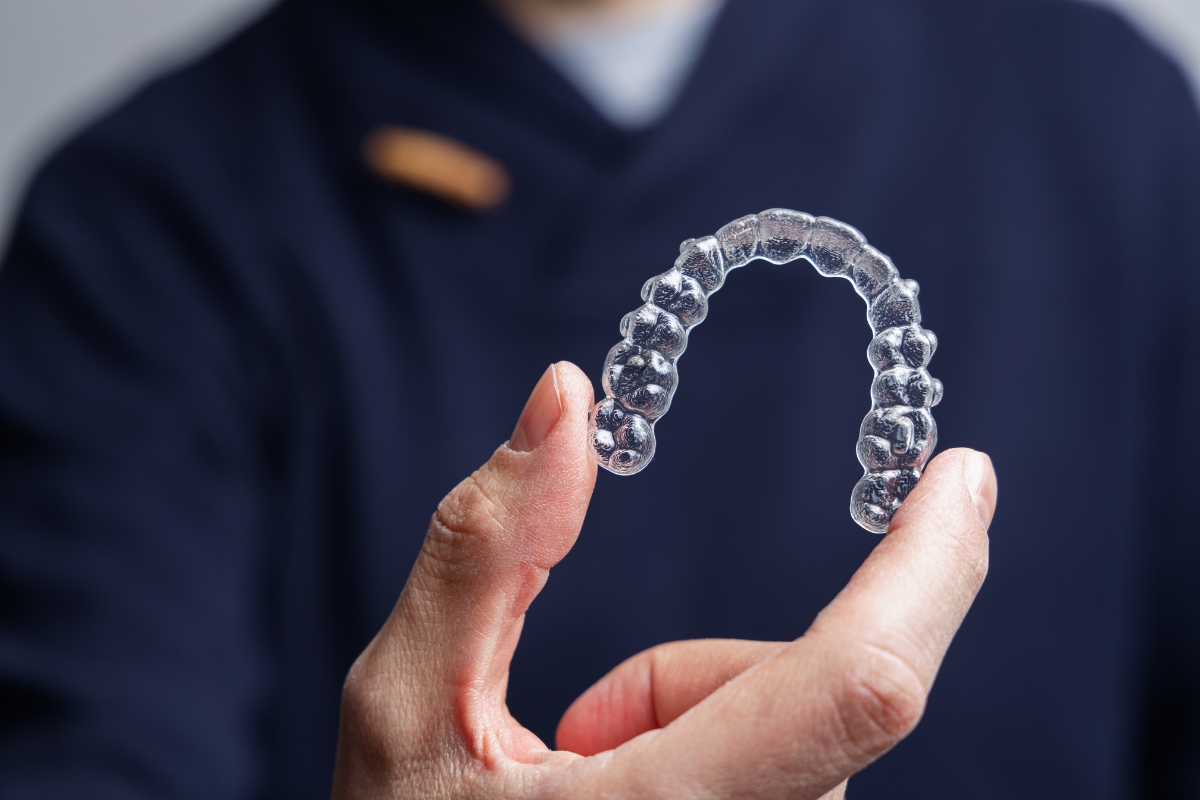
The provider uses your examination findings and diagnostic records to determine how your teeth should move. Custom aligners are then designed to guide selected teeth through a planned sequence of movements.
Progress requires regular monitoring. Follow-up appointments allow the provider to assess whether the teeth are tracking as expected and whether adjustments are necessary.
Treatment duration varies considerably. Minor alignment concerns may require fewer stages, while significant crowding or bite correction can require a longer treatment period.
Patient compliance also matters. Invisalign appliances are removable, so they must be worn according to the prescribed schedule for treatment to progress as planned.
Can Treatment Begin Immediately After the Consultation?
Treatment does not always begin on the day of your consultation.
The first appointment primarily establishes a diagnosis and determines the appropriate treatment approach. Additional records or dental procedures may be required before your aligners can be ordered.
For example, untreated tooth decay or active gum inflammation may need attention first. Completing necessary dental care creates a healthier foundation for orthodontics.
Once the treatment plan has been finalized, custom appliances must also be fabricated. Your dental team can explain the expected timeline based on your individual clinical findings.
Why Does the Initial Consultation Matter?
A professional consultation helps distinguish between a cosmetic alignment concern and a more complex orthodontic problem.
Two patients can appear to have similar crowding while having very different bite relationships. One person may require relatively simple tooth movement. Another may have a crossbite, significant rotation, or arch discrepancy that changes the treatment strategy.
This is why professional orthodontics considers more than straightening visible teeth. Treatment planning evaluates tooth position, bite function, periodontal health, dental restorations, and long-term stability.
At Spearmint Dental & Orthodontics – Princeton, the initial assessment gives patients an opportunity to understand these factors before committing to treatment.
Schedule Your Clear Aligner Consultation in Princeton
The first consultation should give you a clear understanding of your current alignment, treatment needs, and appropriate next steps. It also provides an opportunity to discuss expectations before making a treatment decision.
If you are considering Invisalign in Princeton, visit our dental office at Spearmint Dental & Orthodontics – Princeton for a comprehensive evaluation. The dental team can assess your teeth and bite, explain whether clear aligner treatment is suitable, and outline what your treatment plan may involve.
Frequently Asked Questions
How long does an Invisalign consultation take?
Appointment length depends on the examinations and diagnostic records required. The visit generally includes a discussion of your concerns, an evaluation of tooth alignment and bite, and treatment recommendations. Digital scans, photographs, or X-rays may also be required. Scheduling a professional consultation allows enough time for your dental team to assess your individual treatment needs properly.
Do I need X-rays before starting Invisalign?
X-rays may be recommended based on your dental history and existing records. They provide information about tooth roots, supporting bone, impacted teeth, and conditions that cannot be evaluated fully through a visual examination. Your provider will determine which diagnostic records are necessary before planning tooth movement or beginning clear aligner treatment.
What could prevent me from being a candidate for Invisalign?
Candidacy depends on your alignment problem, bite complexity, periodontal health, and required tooth movements. Active gum disease or untreated decay may need treatment first. Certain complex orthodontic problems may also require another approach. A professional examination is the most reliable way to determine which treatment method is clinically appropriate.
Should I have a dental cleaning before starting treatment?
Healthy teeth and gums provide an important foundation for orthodontic treatment. Your dental team may recommend completing an overdue cleaning or treating active oral health problems before beginning. Maintaining regular preventive care throughout treatment also helps control plaque and supports gum health while the teeth are moving.
What should I bring to my first consultation?
Bring relevant information about previous dental treatment, braces, retainers, medications, and current oral health concerns. If you have questions about treatment duration, daily aligner wear, appointments, retainers, or payment options, prepare them beforehand. A detailed discussion with your dental team can help you understand treatment before deciding whether to proceed.