

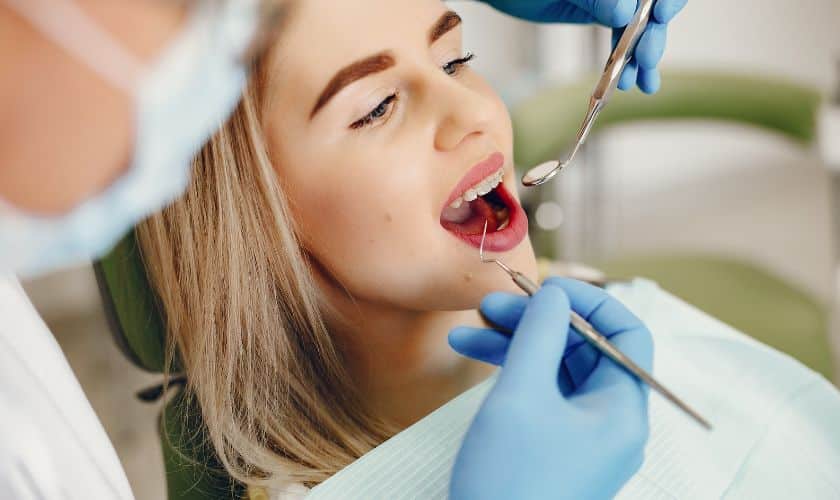
Are you experiencing constant toothaches, bleeding gums, or difficulty chewing and speaking? These could be signs that you are in need of oral surgery. While the thought of undergoing surgery may seem daunting, it is essential to address these symptoms before they worsen. In this blog post, we will discuss the various types of oral surgeries and the common indications that you might require one. Don’t wait until it’s too late – read on to learn more about what are oral surgery and its symptoms.
What is an Oral Surgery?
Oral surgery is a specialized field of dentistry that deals with the diagnosis and treatment of complex dental problems related to the mouth, jaws, face, and neck. It involves various surgical procedures performed by licensed oral or maxillofacial surgeons.
The main goal of oral surgery is to treat conditions that cannot be easily managed through nonsurgical means such as root canals or fillings. Some common examples include impacted wisdom teeth extraction, dental implant placement, corrective jaw surgery, and bone grafting.
Oral surgeries are typically done under local anesthesia but may require general anesthesia in some cases. The length of the procedure depends on the complexity of the case, but most procedures take less than an hour to complete.
Patients who need oral surgery should consult with their dentist or oral surgeon for proper evaluation and treatment planning. A thorough examination will help determine whether surgery is necessary and what type of procedure would be best suited to address specific concerns.
Oral surgery plays a crucial role in maintaining optimal dental health by providing effective solutions for complex dental issues beyond routine care like regular cleanings and checkups.
What are the types of oral surgeries?
When it comes to oral surgery, there are several types of procedures that can be done depending on the patient’s condition. One common type is tooth extraction, which involves removing a damaged or decayed tooth. This procedure is usually recommended when a filling or crown cannot fix the problem.
Another type of oral surgery is dental implant surgery, where an artificial tooth root is placed into your jawbone and serves as a foundation for replacement teeth. This process typically requires multiple visits over several months and has become increasingly popular due to its high success rate.
Orthognathic surgery, also known as corrective jaw surgery, may be necessary for individuals with jaw problems such as an underbite or overbite. The procedure aims to correct these issues by reshaping or repositioning the jaws.
Other types of oral surgeries include gum grafts, periodontal plastic surgery, and wisdom tooth removal, which involves extracting third molars that have not fully emerged from the gums.
It’s important to consult with your dentist if you experience any symptoms that may require oral surgery. They will recommend the appropriate treatment plan based on your individual needs and conditions.
What are the symptoms that you are in need for an oral surgery?
Oral surgery is a specialized form of treatment that involves surgical procedures performed in the mouth and jaw areas. While not all dental problems require surgery, some issues cannot be treated through conventional dentistry techniques alone. Here are some symptoms that may indicate you need oral surgery.
One symptom that may warrant oral surgery is severe tooth pain or discomfort that does not go away with medication or other treatments. Another sign could be a persistent infection in your gums, teeth, or bones.
If you experience difficulty chewing or swallowing food due to an issue with your bite or jaw alignment, it may also be time to consider oral surgery as a solution. Additionally, if you have missing teeth and want to replace them with implants, this procedure will involve an oral surgeon.
Other common reasons for needing oral surgery include impacted wisdom teeth, corrective jaw surgeries for malocclusion (a misaligned bite), and the removal of cysts or tumors in the mouth.
If any of these symptoms sound familiar to you, it’s important to consult with your dentist or an experienced oral surgeon who can diagnose the issue accurately and determine whether surgical intervention is necessary.
What should you expect after undergoing oral surgery?
After undergoing oral surgery, it is essential to take proper care of yourself in the postoperative period. The first few hours after surgery are critical for a successful recovery, and you may feel drowsy or disoriented due to the anesthesia.
You can expect some swelling and discomfort in the treated area, which can be managed by applying ice packs to your cheek for 20 minutes at a time several times a day. You can also take painkillers prescribed by your dentist or surgeon to relieve pain.
It is recommended to eat soft foods like soups, smoothies, or mashed potatoes during the first few days after surgery, as chewing hard food may cause irritation and disrupt healing. Avoid drinking alcohol or smoking cigarettes until fully recovered, as they both slow down healing and increase complications.
Follow all instructions given by your dentist or surgeon about caring for stitches, if needed. Maintain good oral hygiene by gently brushing teeth with a soft-bristled toothbrush, but avoid vigorous rinsing, which could dislodge the clotting necessary for healing.
Taking care of yourself after oral surgery is crucial. Following these simple steps will help ensure that you heal quickly and without complication so that you can get back to normal life in no time!
Conclusion
While the idea of undergoing oral surgery may seem daunting at first, rest assured that modern techniques and advancements have made these procedures safer and more effective than ever before. With proper care and attention both before and after surgery, you can minimize discomfort and ensure a speedy recovery.
If you experience any of the symptoms mentioned in this article, do not hesitate to visit your local dentist or oral surgeon for an evaluation. At Spearmint Dental and Orthodontics in Wichita Falls and Princeton, we specialize in comprehensive oral surgery. Our skilled team is committed to restoring your oral health through advanced surgical techniques, ensuring both comfort and success. If you are located in Wichita Falls or Princeton area, then you can search “dentist near me“. You will find our dental practice in both the locations. Call us at 940-432-3404 (Wichita Falls, TX) or 469-270-5041 (Princeton, TX) to schedule you appointment to discuss all your queries.
At the end of the day, taking care of our teeth is crucial for our overall health and well-being. Don’t wait until it’s too late; if you suspect something might be wrong with your teeth or gums, seek professional help right away. Your smile (and body) will thank you!