Bone grafting is a surgical procedure that involves adding bone material to areas of the jaw where bone density is insufficient. It strengthens the jawbone to create a stable foundation for dental implants. Over time, this grafted bone fuses with the existing bone through a process called osseointegration, making the jaw strong enough to hold on to it.
Bone grafting is essential for many people seeking implants, as tooth loss often leads to bone loss. When a tooth is missing for an extended period, the surrounding bone begins to deteriorate due to a lack of stimulation from chewing.
Why is Bone Grafting Necessary for Dental Implants?
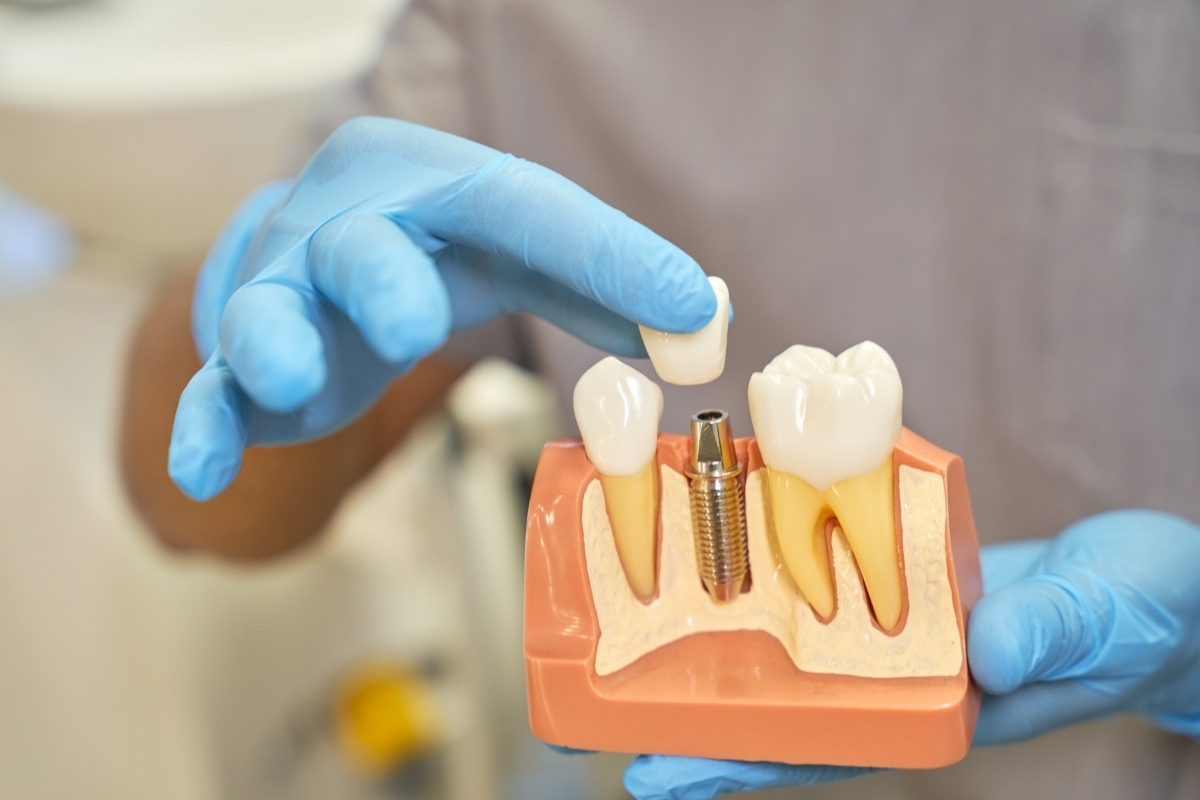
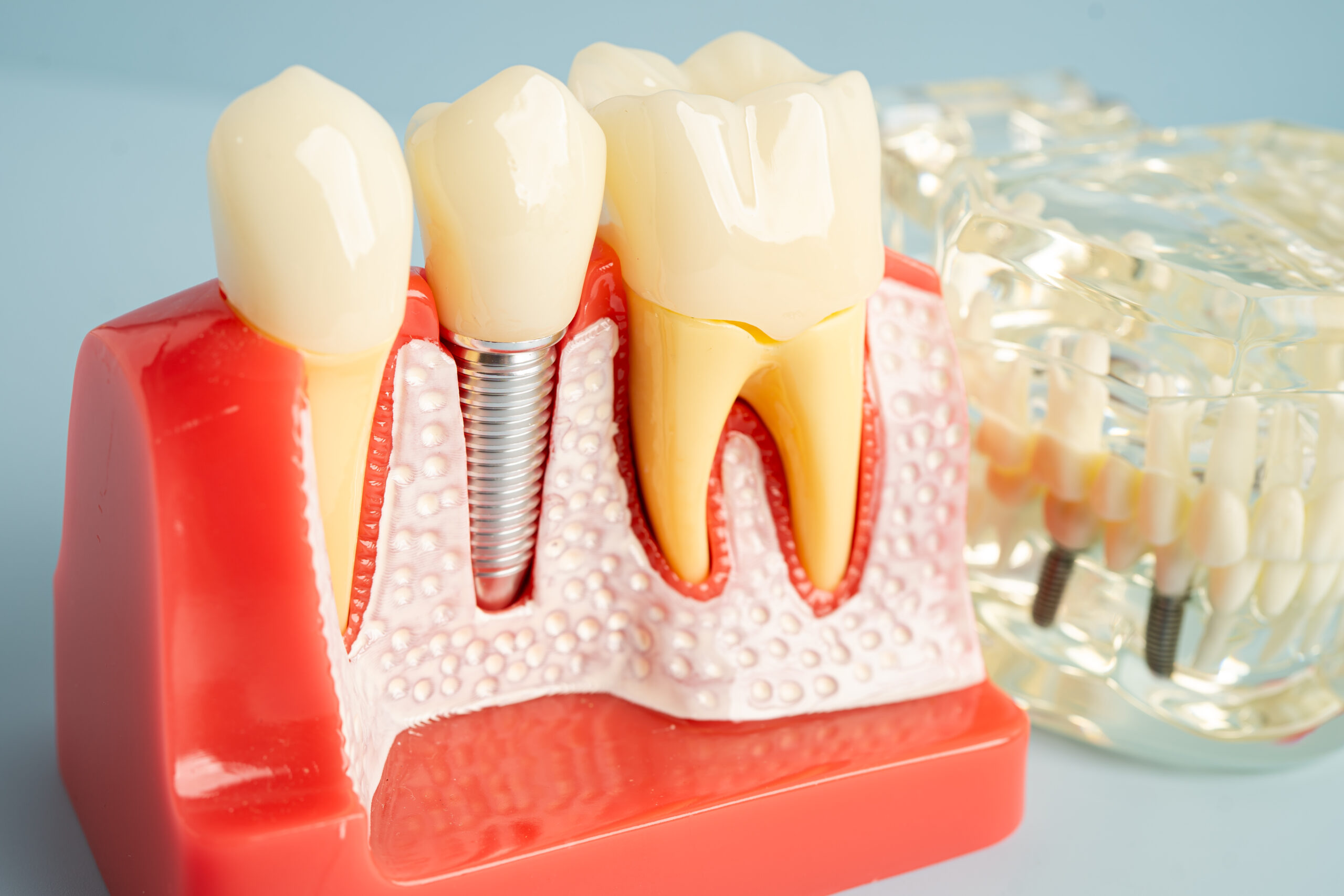
The implant must fuse securely with the jawbone. Without enough bone, the implant cannot anchor properly, which can lead to failure or complications. This is where bone grafting comes in. By adding more bone material, dentists can increase the volume and density of the jawbone, giving the implant a stable environment to bond with.
Several factors can contribute to the need for bone grafting, including:
- Periodontal Disease: Gum disease can erode the bone surrounding the teeth, making it difficult to place implants without additional bone.
- Injury or Trauma: Accidents or facial injuries can damage the jawbone, resulting in bone loss.
- Long-term Tooth Loss: Missing teeth for a prolonged period can lead to bone atrophy, as mentioned earlier.
- Congenital Conditions: Some people are born with insufficient bone structure in certain areas of the mouth.
In these cases, bone grafting offers an effective solution to ensure a stable and lasting dental implant.
Types of Bone Grafts
There are various types of bone grafts that can be used depending on the patient’s needs. Your dentist or oral surgeon will evaluate your condition and choose the most appropriate type of graft. The most common options include:
- Autograft: This type of graft uses bone harvested from another part of the patient’s own body, such as the chin, jaw, or hip. Because it uses your tissue, the body is more likely to accept it without complications.
- Allograft: In this case, the bone comes from a human donor. It is processed and sterilized to ensure it is safe for use in bone grafting procedures.
- Xenograft: This involves bone sourced from animals, typically cows. Xenografts are often used when a larger quantity of bone is required, and the body generally accepts them well.
- Alloplastic Graft: Synthetic materials are used in this graft. They are often made from substances like calcium phosphate or bioactive glass, which can encourage the body to produce new bone naturally.
What to Expect During Bone Grafting
If you’re undergoing bone grafting, the process is typically straightforward, though it does require some recovery time. The procedure begins with a thorough examination of your jawbone using X-rays or 3D imaging to determine the exact amount of bone loss and the type of graft required.
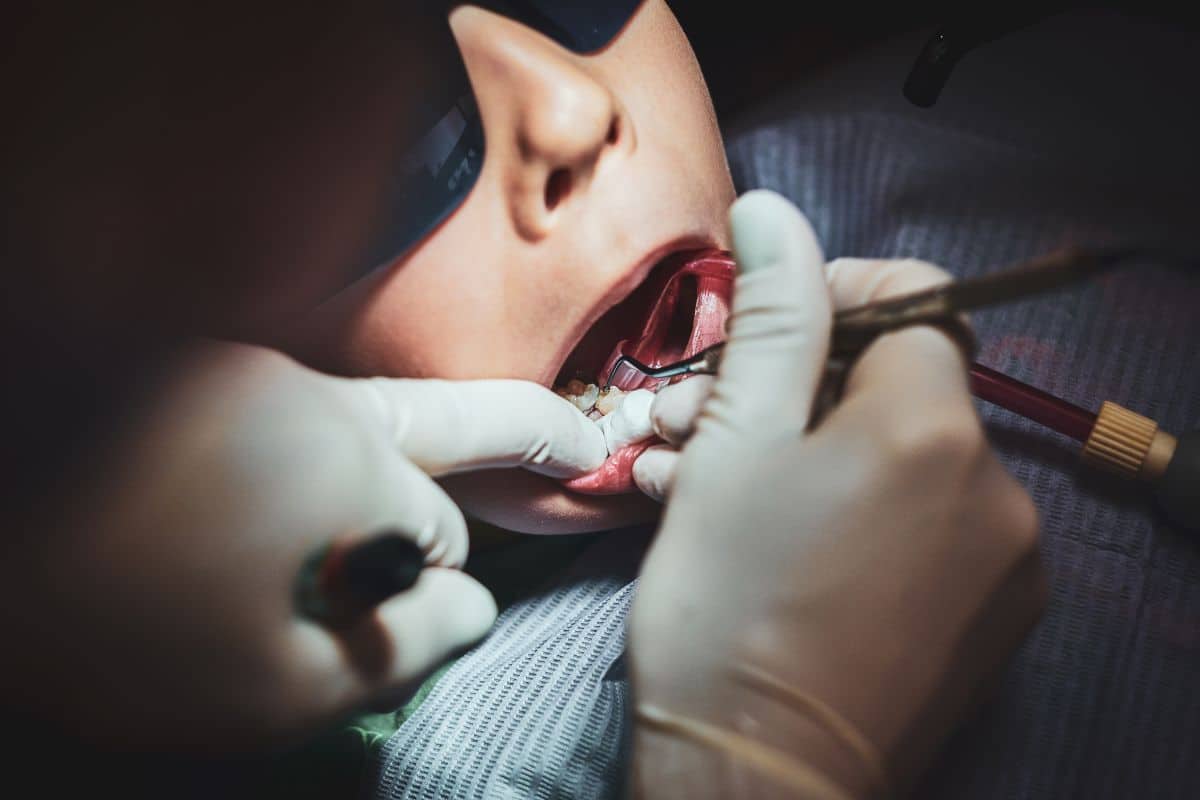
On the day of the surgery, local anesthesia will be administered to keep you comfortable. Your dentist or oral surgeon will then make an incision in the gum to access the bone and place the graft material in the targeted area. Once the graft is in place, the incision is closed, and the healing process begins.
Healing time varies from patient to patient but generally takes several months. During this time, the graft will integrate with your natural bone and create a solid base. After the graft has fully healed, your dentist can move forward with placing the dental implant.
Recovery and Aftercare
Following the bone grafting procedure, it’s essential to take good care of the grafted area to promote healing and avoid complications. Your dentist will provide specific aftercare instructions, but here are some general tips to follow:
- Maintain Oral Hygiene: Keeping your mouth clean is crucial to prevent infection. Be gentle around the grafted area when brushing and flossing.
- Avoid Hard or Crunchy Foods: Stick to soft foods to avoid putting pressure on the grafted area.
- Avoid Smoking: Smoking can delay healing and increase the risk of complications.
- Follow Prescribed Medication: Your dentist may prescribe antibiotics to prevent infection and pain relievers to manage discomfort.
Success Rates and Benefits of Bone Grafting
Bone grafting has a high success rate, and when performed correctly, it significantly improves the outcome of implants. Research shows that bone grafting procedures have a success rate of over 90%, according to a study published in the Journal of Clinical Periodontology. This makes it a reliable option for patients who need additional bone to support their implants.
The key benefits of bone grafting include:
- Improved Stability: Bone grafting ensures that your implant has a strong foundation, reducing the risk of failure.
- Preservation of Facial Structure: Restoring lost bone helps maintain your facial structure, preventing the “sunken” appearance that often comes with long-term tooth loss.
- Enhanced Oral Health: Bone grafting can prevent further bone loss and help maintain healthy jawbone density over time.
Is Bone Grafting Right for You?
Bone grafting is an effective way to ensure the long-term success of dental implants, especially for those who have experienced bone loss due to injury, disease, or prolonged tooth loss. If your dentist has recommended bone grafting, it’s important to weigh the benefits against the recovery time and other factors unique to your case.
For individuals considering dental implants, bone grafting is often the first step toward restoring a full, healthy smile. Speak with your dental care provider to determine if you are a good candidate for the procedure.
Take the Next Step Toward a Healthy Smile
At Spearmint Dental, we understand how important it is to have a strong foundation for dental implants. If you’re considering dental implants in Wichita Falls, TX, let our experienced team guide you through the process, including any necessary bone grafting procedures. Contact us today to schedule a consultation and take the first step toward restoring your smile. Call us today to schedule your consultation!