As parents age, dental care often becomes one more thing adult children help manage. Maybe your dad hasn’t been to the dentist in several years. Maybe your mom is adjusting to dentures and isn’t sure they fit quite right. Sometimes it’s as simple as coordinating appointments around church activities, grandkids’ schedules, or other medical visits. Concerns about hearing, vision, or mobility can also make routine dental care feel overwhelming.
This is a common situation we see among families in Princeton.
Many older adults haven’t avoided the dentist intentionally. Life simply gets busy. Health priorities shift. Transportation becomes harder. Sometimes it takes an adult child stepping in—scheduling the appointment, reviewing insurance details, and accompanying a parent to the visit—to restart consistent care.
“Brought my 93 year old dad in who is legally blind now, and hearing impaired. Everyone from the initial phone call for an appointment to the actual first visit for new Upper Denture and a lower partial. The Staff and Dr Feely were Very accommodating. We were actually able to have insurance verified, a quote given, partial clip adjusted, and impression for both new pieces!! Very promptly and all listened to my dad as he spoke his needs and Dr Feeley was quite jovial!
We both were very impressed! Highly recommend.”
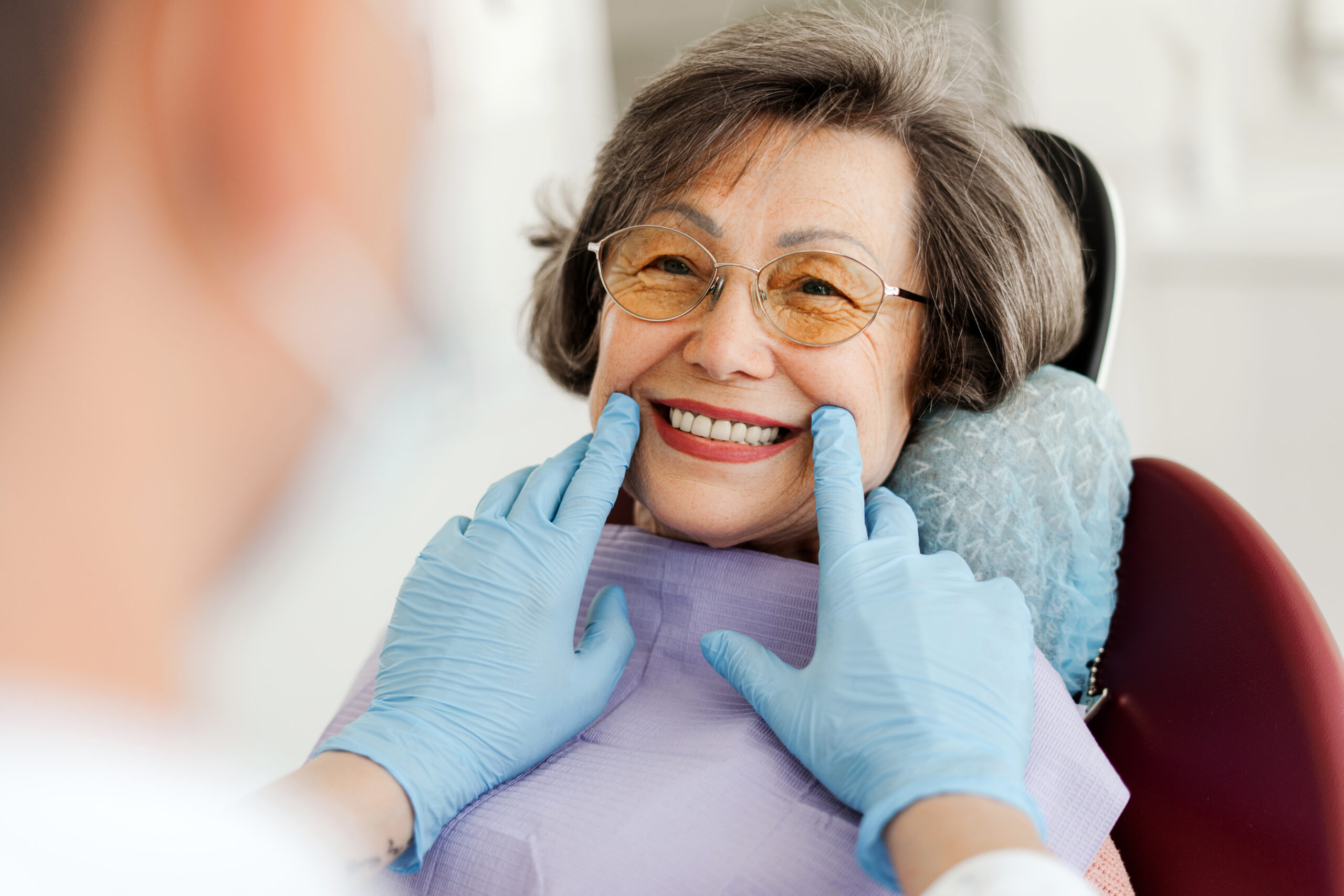
For many seniors, seeing a family dentist in Princeton provides continuity and reassurance. Through comprehensive family dentistry in Princeton, older adults can receive preventive, restorative, and denture care in a setting that already serves children, parents, and even grandchildren. That familiarity often makes appointments feel less intimidating and more manageable.
Why Family Dentistry Is Especially Valuable for Older Adults
One of the biggest advantages of a family-focused practice is continuity of care. When multiple generations visit the same office, there’s a deeper understanding of family health history, habits, and preferences. This can be especially helpful when adult children are helping coordinate care for aging parents.
A familiar environment also matters. Seniors who may feel anxious about medical settings often appreciate seeing friendly faces and consistent staff. Over time, trust builds naturally. That relationship allows for open conversations about concerns such as loose dentures, sensitive teeth, or bleeding gums.
Family dentistry also simplifies logistics. Instead of driving to multiple specialists across different parts of town, many services can be handled in one place. For families in Princeton who may already be juggling work, caregiving, and household responsibilities, that convenience makes a meaningful difference.
Preventive Care Becomes More Important With Age
As we get older, oral health needs change. Gum disease becomes more common, especially if regular cleanings have been inconsistent in the past. Certain medications can contribute to dry mouth, which increases the risk of cavities and irritation.
Routine exams allow the dental team to:
- Monitor gum health
- Check for early signs of oral cancer
- Evaluate changes in bite or jaw comfort
- Assess the condition of existing crowns, bridges, or fillings
Many seniors remain active—attending community events, spending time with grandchildren, or participating in church gatherings. Preventive care helps ensure they can continue enjoying meals and conversations comfortably.
For some families in nearby McKinney who have recently relocated closer to adult children in Princeton, re-establishing preventive dental care is an important step in maintaining overall health.
Dentures, Partials & Restorative Support
Tooth loss is more common later in life, but it doesn’t have to limit quality of life. Well-fitting dentures and partials support clear speech, proper chewing, and facial structure.
Over time, gums and bone naturally change shape. That means dentures that once fit well may begin to feel loose or uncomfortable. Regular dental visits allow for adjustments, relines, or evaluation of whether a new appliance is needed.
For seniors who still have some natural teeth, protecting those remaining teeth is critical. Restorative treatments such as crowns can strengthen damaged teeth and help maintain proper bite alignment. When chewing becomes easier and more comfortable, nutrition often improves as well.
Comfort Matters: Creating a Stress-Free Experience
Older adults sometimes delay dental care because they worry about discomfort or feeling rushed. A family-oriented approach emphasizes patience and clear communication.
Comfort-focused care may include:
- Speaking clearly and making eye contact for those with hearing challenges
- Allowing extra time for questions
- Explaining each step before beginning
- Adjusting chair positioning for mobility limitations
- Encouraging caregivers to be present when helpful
When seniors feel heard and respected, dental visits become less stressful. That sense of dignity is essential.
A Family Dentist’s Perspective on Senior Care
Caring for older adults requires more than clinical skill. It requires listening.
In family dentistry, appointments are often paced according to the patient’s needs. Some seniors appreciate slower explanations or written instructions they can review at home. Others rely on adult children to help discuss treatment options. Coordinating with family members—while still addressing the patient directly—ensures everyone feels included and informed when visiting our Princeton dentists.
Another important principle is avoiding unnecessary treatment. Not every concern requires an aggressive approach. Sometimes monitoring, adjusting an appliance, or improving home care routines is the most appropriate solution. The goal is always to balance oral health, overall well-being, and comfort.
Above all, senior dental care should preserve independence whenever possible. Clear explanations empower patients to make confident decisions about their health while feeling supported by a trusted local team.
A Thoughtful Next Step for Your Family
If you or a loved one hasn’t had a dental visit in some time, it may be helpful to schedule a gentle evaluation and conversation about current needs. Ongoing dental care can support comfort, function, and overall health at every stage of life.
To learn more about what to expect or to plan a visit, you can visit our Princeton dental practice to view directions, hours, and patient information. Families are always encouraged to ask questions, share concerns openly, and move forward at a pace that feels comfortable and appropriate for their situation.
FAQs
1. How often should seniors see a dentist?
Most older adults benefit from dental visits every six months. However, those with gum disease, dry mouth, or dentures may need more frequent checkups.
2. Is it safe for elderly patients to receive dental treatment?
Yes. Dentists review medical history, medications, and overall health before recommending treatment. Care is tailored to each individual’s health status.
3. What dental issues are common after age 60?
Gum disease, dry mouth, root decay, worn restorations, and ill-fitting dentures are among the most common concerns.
4. Can dentures be adjusted if they become uncomfortable?
Absolutely. Dentures often require periodic adjustments or relining to maintain comfort as the mouth changes over time.
5. Should caregivers attend dental appointments with seniors?
In many cases, yes. Having a trusted family member present can help with communication, understanding treatment options, and remembering home care instructions.