A toothache can make it hard to eat, sleep, focus at work, or enjoy time with family. While some dental discomfort may be temporary, ongoing pain or changes around a single tooth can indicate a more serious problem. When bacteria, inflammation, or injury reaches the soft tissue inside a tooth, prompt care can help protect your health and preserve the tooth.
At Spearmint Dental & Orthodontics – Wichita Falls, Dr. Garrett and our team evaluate concerning symptoms carefully and explain the next steps in clear terms. If you are dealing with persistent pain, sensitivity, swelling, or a damaged tooth, a timely root canal in Wichita Falls may help remove the source of the problem and protect your natural smile.
What Is Happening Inside a Painful Tooth?
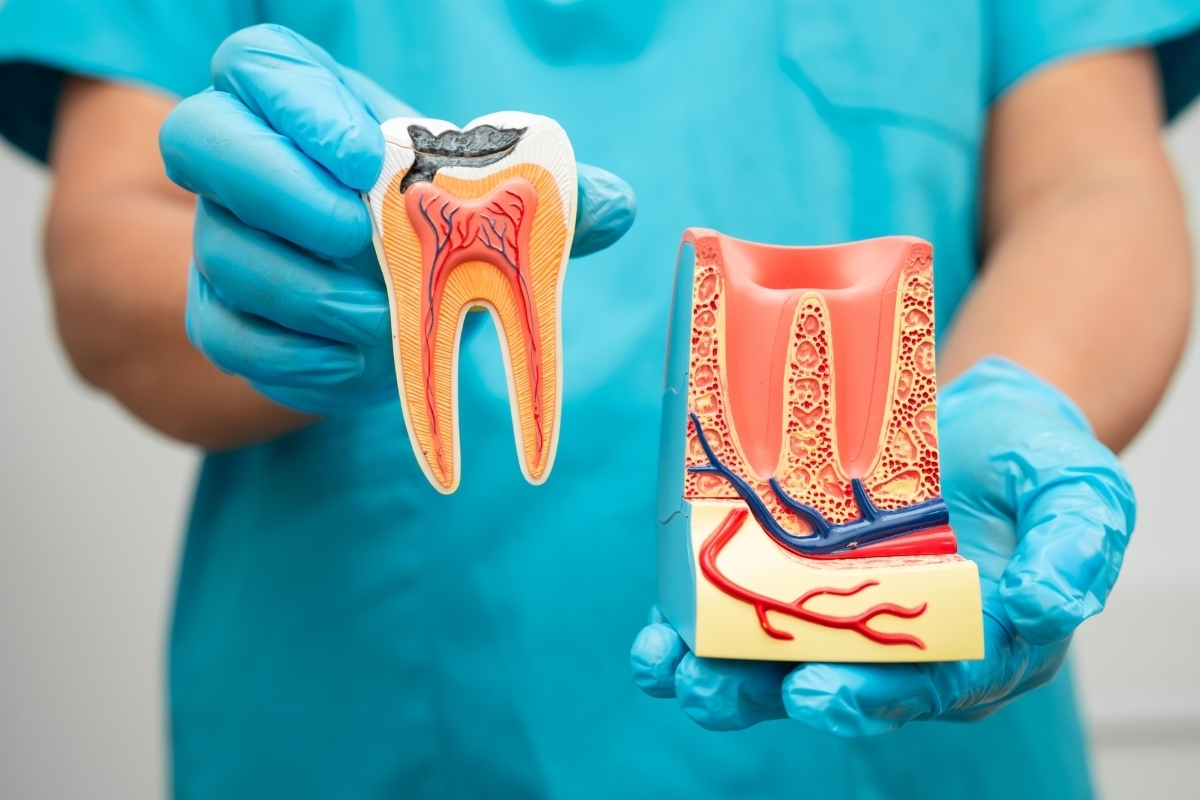
Each tooth contains pulp, a soft inner tissue with nerves and blood vessels. Deep tooth decay, a crack, trauma, or repeated dental work can irritate or infect this area. Without care, the infection may spread beyond the tooth root and form an abscess.
Root canal treatment removes infected or inflamed pulp, cleans and disinfects the inner canals, and seals the tooth. A final restoration, often a crown when needed, helps the tooth handle normal biting forces again.
1. Persistent Tooth Pain
A lingering toothache is one of the most common warning signs. The pain may feel dull, sharp, throbbing, or constant. Some people notice it becomes worse at night, while chewing, or when they put pressure on the tooth.
Pain does not always mean the same thing for every patient, but it should not be ignored. A dental exam can determine whether the discomfort is due to decay, a crack, gum issues, or pulp inflammation.
2. Lingering Hot or Cold Sensitivity
Brief sensitivity after ice cream or hot coffee can happen, especially if enamel has worn down. However, pain that persists after the heat source is gone warrants attention.
When a tooth remains sensitive for 30 seconds or longer, the pulp may be inflamed. This is especially important if the sensitivity is increasing or occurring more frequently.
3. Pain When Biting or Chewing
Does one tooth hurt when you bite into food or release your bite? This can occur when inflammation reaches the tissues around the tooth root. A cracked tooth, deep cavity, or infection may also make chewing uncomfortable.
Try not to keep chewing on the painful side. Schedule a visit so the cause can be identified before the tooth becomes more damaged.
4. Swollen, Tender, or Darkened Gums
Swelling near one tooth can signal an infection below the gumline. The area may feel sore, look red, or form a small bump that resembles a pimple. That bump can drain fluid and create an unpleasant taste in your mouth.
A dental abscess requires prompt attention. Fever, facial swelling, trouble swallowing, or difficulty breathing need urgent medical evaluation.
5. A Darker or Discolored Tooth
A tooth that turns gray, brown, or noticeably darker than nearby teeth may have a damaged or dying pulp. This can happen after an injury, even if the tooth did not hurt at the time.
Internal discoloration is different from surface staining caused by coffee, tea, or tobacco. A dentist can use an exam and X-rays to determine why the tooth has changed color.
6. A Chipped, Cracked, or Deeply Decayed Tooth
A visible crack or deep cavity creates a pathway for bacteria to reach the inside of the tooth. Even a small chip can become serious when it exposes deeper layers or worsens over time.
Do not wait until you feel pain before seeking care. Early evaluation may provide more options for protecting the tooth and preventing further infection.
7. A Tooth That Feels Loose or Different
An infected tooth may feel slightly raised, loose, or different from the surrounding teeth. Pressure from inflammation around the root can change how your bite feels. This is not a symptom to monitor at home for weeks.
Dr. Garrett can assess the tooth, surrounding gums, bite, and X-rays to determine whether a root canal in Wichita Falls is appropriate. If you notice any of these signs, visit our dental office promptly so we can help you avoid worsening pain or tooth loss.
What to Expect During Care
Many people feel nervous after hearing they may need a procedure. Modern care focuses on numbing the area and making the visit as comfortable as possible. During the root canal therapy, the inside of the tooth is cleaned, the canals are shaped and sealed, and the tooth is prepared for restoration.
You may have mild tenderness for a few days afterward, particularly when biting. Follow the care instructions you receive, avoid chewing on the tooth until it is fully restored, and contact the office if pain or swelling worsens.
Do Not Wait for the Pain to Become Severe
An infected tooth does not heal on its own. Delaying care can allow the infection to progress, increase discomfort, and make saving the tooth more difficult. Early treatment provides a clearer path to relief and helps preserve natural tooth structure.
If you have ongoing tooth pain or any of the warning signs discussed above, Spearmint Dental & Orthodontics – Wichita Falls is here to help. Book an appointment for a root canal in Wichita Falls and take a proactive step toward a more comfortable, healthy smile.
Frequently Asked Questions
Can a tooth need a root canal without pain?
Yes. Some teeth develop an infection or lose vitality with little to no pain. Discoloration, swelling, a gum bump, or changes seen on an X-ray can still indicate a problem that needs prompt evaluation.
Is root canal treatment painful?
The procedure is intended to relieve pain caused by inflammation or infection. Local anesthesia numbs the area during the visit. Mild soreness afterward is possible and often improves within a few days.
How do I know if my tooth pain is an emergency?
Severe pain, facial swelling, fever, a spreading gum infection, or trouble swallowing need immediate attention. Even without these symptoms, ongoing tooth pain should be examined soon to prevent further complications.
Can antibiotics fix an infected tooth?
Antibiotics may be used in certain situations, such as a spreading infection, but they do not remove infected tissue inside a tooth. The source of infection must be addressed through appropriate dental care.
Will I need a crown afterward?
A crown may be recommended when a tooth has lost significant structure or must withstand heavy chewing forces. The dentist determines the restoration based on the tooth’s location, remaining strength, and condition.
What happens if I delay care?
Delaying care can allow infection and pain to worsen. In some cases, the tooth may become too damaged to save. Seeking evaluation early can help protect your oral health and preserve more treatment options.