If you’re missing a tooth or a few, it’s natural to start looking into your replacement options. For most people, that search quickly comes down to two choices: a dental implant or a dental bridge. But which one is better?
Both the options can restore your smile and chewing ability. They work in very different ways, and the “better” choice often depends on your health, goals, and the condition of your surrounding teeth and bones.
In this blog, we’ll explain the key differences between dental implants and bridges, when each might make the most sense, and how to know which one is right for you.
What’s the Difference Between a Dental Implant and a Bridge?
Both the treatments fill the gap caused by a missing tooth, but they work in a different way.
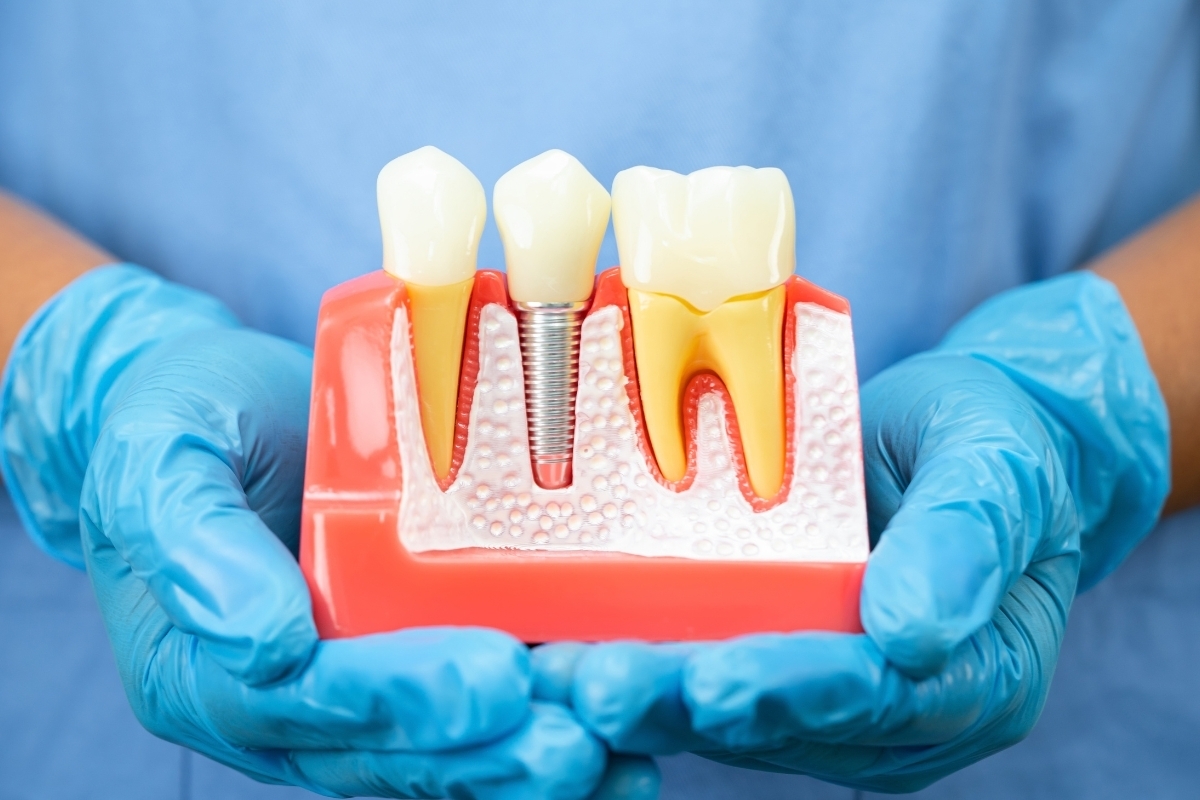
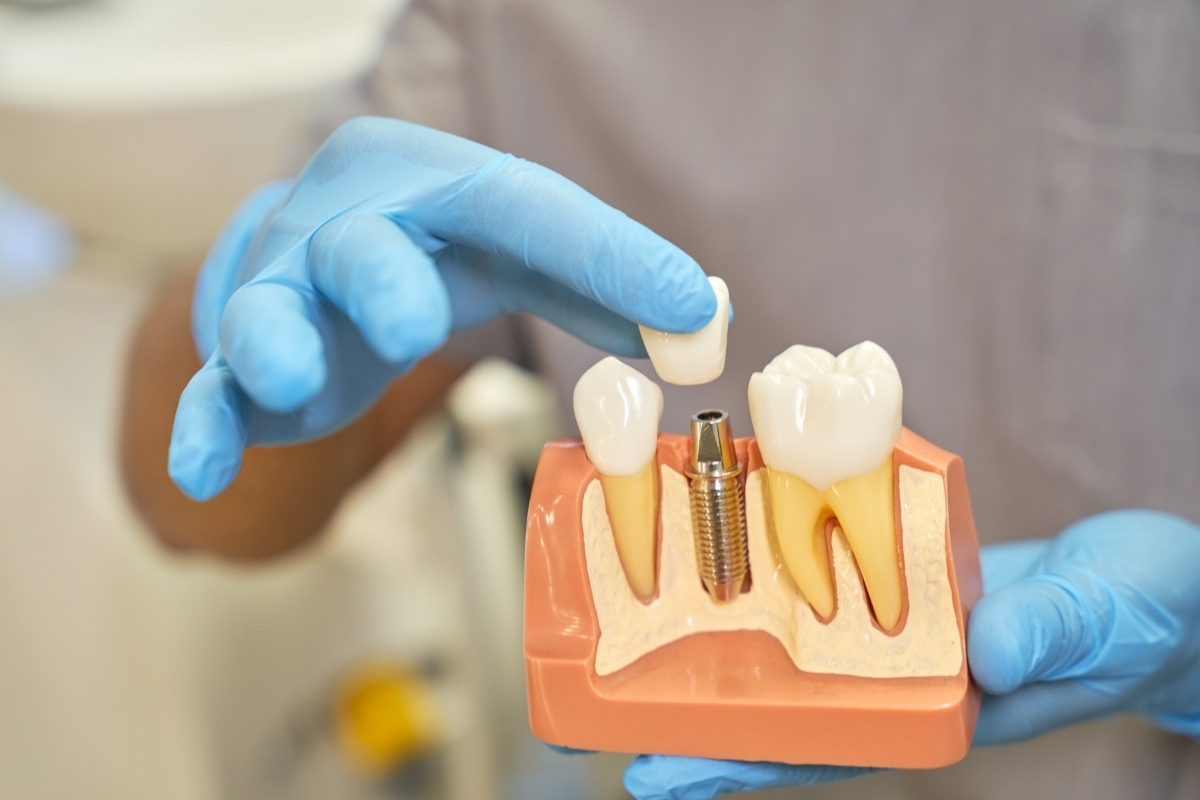
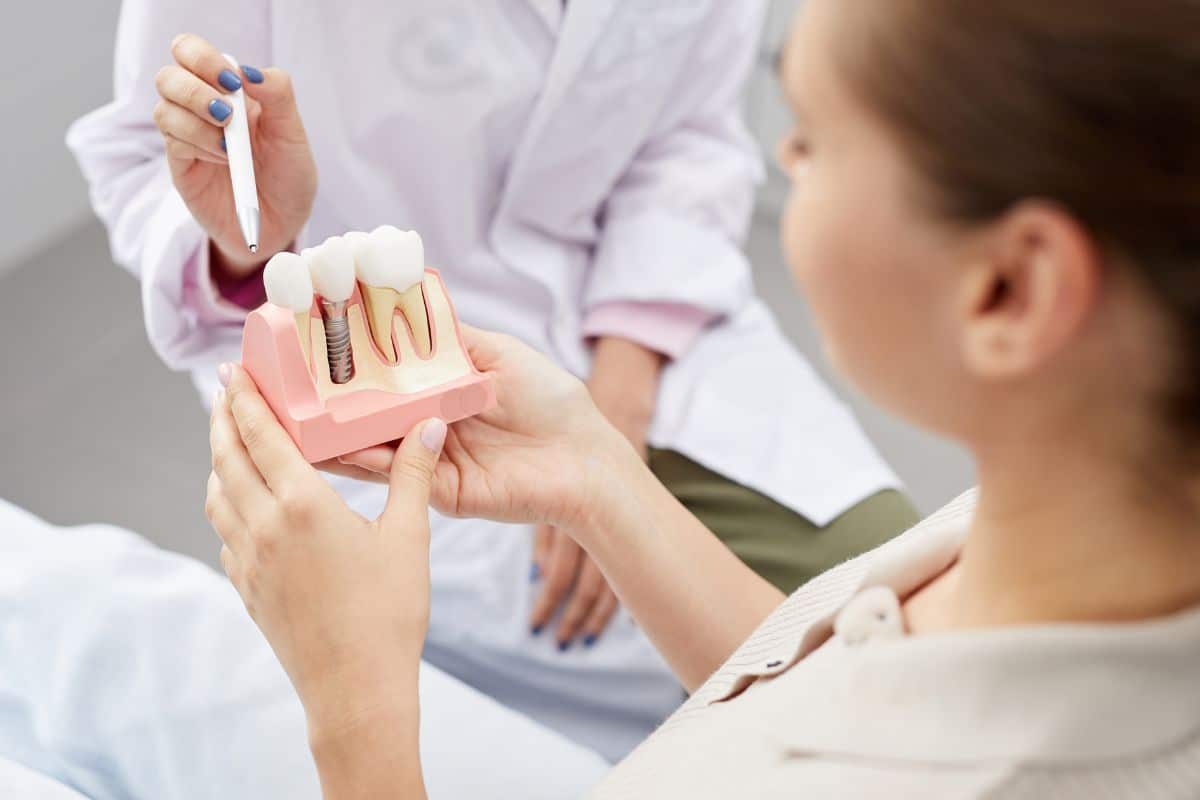
- Dental implants are artificial tooth roots (usually titanium) that are placed into the jawbone. After healing, a crown is attached on top to mimic the natural tooth.
- Dental bridges use the neighboring teeth as support. A false tooth (or teeth) is held in place by crowns cemented onto the adjacent natural teeth.
While both restore function and appearance, the key difference lies in how they’re supported. Implants replace the entire tooth structure including the root and offer a standalone solution. Bridges, on the other hand, depend on the strength of surrounding teeth to hold the restoration in place.
Benefits of Dental Implants
Dental implants are often considered the gold standard for tooth replacement, and for good reason. Here’s why:
1. They Help Preserve Bone
When a tooth is lost, the bone that once supported it can start to shrink. Implants help prevent that by stimulating the jawbone, much like a natural tooth root would.
2. They Don’t Rely on Other Teeth
Bridges require shaping the healthy teeth on either side of the gap. Implants don’t affect your neighboring teeth at all.
3. They’re Long-Lasting
With proper care, implants can last decades or even a lifetime. Bridges typically need to be replaced every 10–15 years.
4. They Feel and Function Like Natural Teeth
Implants are anchored securely in the jaw, offering excellent stability and a very natural feel when chewing or speaking.
When a Dental Bridge Might Be the Better Option
While implants offer many benefits, they’re not ideal for everyone. In some cases, a bridge may actually be the more practical solution.
1. You’re Missing Multiple Teeth in a Row
If you have two or three missing teeth next to each other, a bridge can often replace all of them with just two supporting crowns.
2. You’re Not a Candidate for Implant Surgery
Certain health conditions, medications, or low bone density can make implant placement difficult or risky. In these situations, a bridge avoids surgery altogether.
3. You Want a Quicker Solution
Dental implants require time to heal several months. A bridge can usually be completed in a few weeks, making it a faster option.
4. You Already Have Dental Work on Nearby Teeth
If the teeth next to the gap already have large fillings or crowns, using them as support for a bridge may make sense and won’t sacrifice otherwise healthy enamel.
The Differences in Their Costs
Cost is often a factor when choosing between a bridge and an implant. While implants generally have a higher upfront cost, they tend to last longer and require less maintenance over time. Bridges may be more affordable at first, but they typically need replacement every 10 to 15 years depending on wear and tear.
It’s important to consider both short-term and long-term costs when making a decision. Durability, potential future procedures, and maintenance all play a role in the overall value of each option.
How to Decide What’s Right for You
There’s a lot to think about when replacing a missing tooth. For some people, an implant makes the most sense. For others, a bridge might be the better fit. It depends on your individual needs like the health of your surrounding teeth, the strength of your jawbone, and even your timeline or comfort with procedures.
Here are a few important questions to understand before choosing the solution for your missing teeth:
- How many teeth are missing?
- Are the neighboring teeth in good shape?
- Is there enough bone to support an implant?
- Are you hoping for a quicker solution, or something more long-term?
- Do you have any health conditions that could affect healing?
Restore Your Smile with Personalized Care at Spearmint Dental & Orthodontics
If you’re considering an implant or a bridge, we’re here to help you make the best choice for your situation. At Spearmint Dental & Orthodontics, we offer both options with expert guidance and caring support in two convenient locations – Princeton and Wichita Falls, TX.
Contact us today to schedule your consultation and we’ll take a closer look, answer your questions, and help you move forward with confidence.
FAQs
1. How long do dental implants and bridges typically last?
Dental implants can last 20 years or more with good oral hygiene. Bridges generally last between 10 to 15 years, though this can vary depending on the materials used and how well they’re cared for.
2. Is the procedure for getting an implant painful?
Most people are surprised by how manageable the process is. Dental implant surgery is done under local anesthesia, and many patients say it’s easier than having a tooth pulled. Some soreness is expected afterward, but it’s usually mild and temporary.
3. Can I get an implant if I’ve been missing a tooth for a long time?
Yes, but it depends on your bone health. When a tooth has been missing for a while, the jawbone in that area can shrink. If there’s not enough bone, a bone graft may be needed before placing the implant.