Have you been putting off braces or clear aligners because you are worried about pain? It is one of the most common questions patients ask before starting treatment. Many people want straighter teeth but hesitate because they are unsure what the process feels like.
The reality is that modern orthodontic care is designed to be more comfortable than ever. While some soreness is normal as teeth begin to move, most patients describe it as pressure rather than significant pain. Understanding what to expect can help you feel more confident about your decision.
At Spearmint Dental & Orthodontics – Wichita Falls, Dr. Garrett helps patients of all ages improve their smiles using modern techniques that prioritize comfort. If you have ever wondered, Does orthodontic treatment hurt, this guide explains what Wichita Falls residents should know before starting their journey.
Does Orthodontic Treatment Hurt?
The short answer is no, not in the way many people imagine.
Most patients experience mild pressure or temporary soreness rather than severe pain. Teeth move because gentle forces are applied over time. As the supporting bone and tissues adapt, some sensitivity can occur.
The level of discomfort varies from person to person, but it is usually manageable and temporary. Most patients continue their normal work, school, and daily activities without interruption.
Why Do Teeth Feel Sore After Orthodontic Treatment Begins?
When braces or aligners begin moving teeth, the surrounding tissues respond to that movement. This process creates temporary tooth movement discomfort that signals the body is adapting.
Common sensations include:
- Pressure from braces
- Mild tooth soreness after braces
- Temporary braces sensitivity
- Slight jaw soreness after braces
- Tenderness when chewing harder foods
These sensations often appear within the first 24 to 48 hours and gradually improve over the following days.
Patients from Wichita Falls, Burkburnett, Iowa Park, and Sheppard Air Force Base communities often tell us they expected far more discomfort than they actually experienced.
What Does Getting Braces for the First Time Feel Like?
The First Day
Many patients report that getting braces for the first time is surprisingly easy. The placement process itself does not typically hurt.
After the appointment, however, teeth may begin feeling tender as they start responding to the applied forces.
The First Week
The first week is when braces soreness is most noticeable. Some patients experience mild pain after braces adjustment-like sensations, even though they have just started treatment.
You may notice:
- Teeth hurt after braces when biting into firm foods
- Mild orthodontic soreness
- Minor gum irritation from braces
- Increased awareness of brackets and wires
Soft foods and proper oral hygiene usually help make this period easier.
Do Invisalign and Clear Braces Hurt Less Than Traditional Braces?
Many patients ask whether clear aligners are more comfortable than conventional braces.
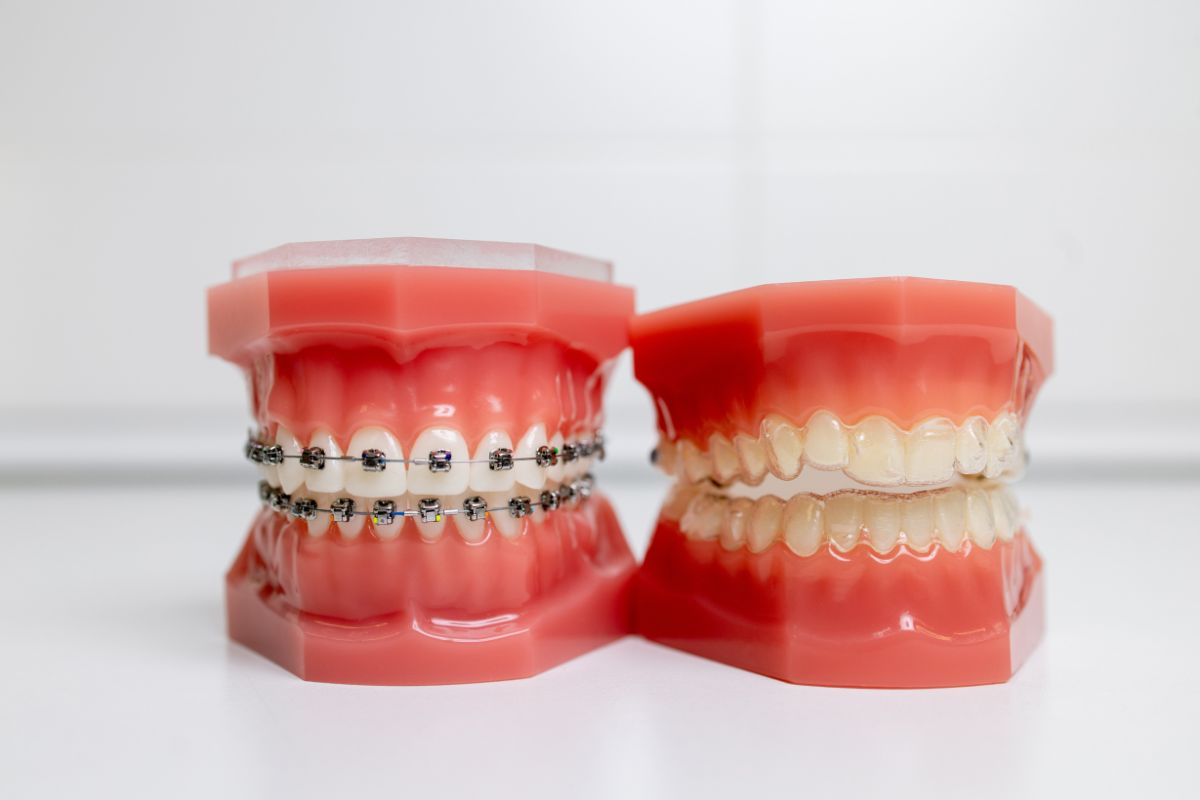
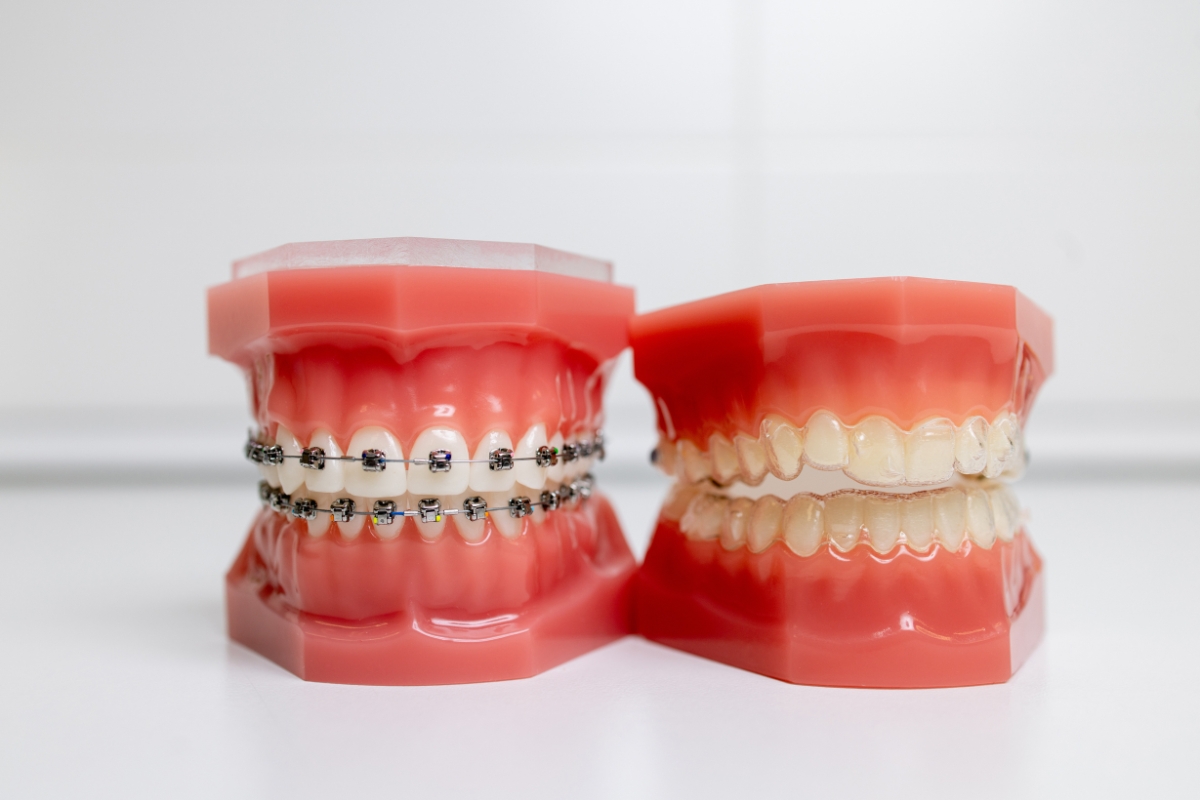
Invisalign and clear aligners generally create similar biological tooth movement. The difference often lies in how the force is delivered.
Patients may notice:
Invisalign and Clear Aligners
- Smooth surfaces with fewer areas that rub against cheeks
- Mild pressure when switching to a new aligner
- Temporary discomfort from orthodontic treatment during tooth movement
Traditional Braces
- Occasional irritation from brackets or wires
- Pressure after adjustments
- Slight orthodontic adjustment pain following appointments
Neither option should cause severe pain. The choice depends on your clinical needs, lifestyle, and smile goals.
At Spearmint Dental & Orthodontics – Wichita Falls, Dr. Garrett carefully evaluates each case to determine the most appropriate approach.
How Long Does Orthodontic Discomfort Last?
One of the biggest misconceptions about orthodontic pain is that it lasts throughout treatment.
In reality, most discomfort occurs in short periods.
After Starting Treatment
Sensitivity often lasts three to seven days.
After Adjustments
Pain after braces adjustment generally peaks during the first one to three days and gradually improves.
During Aligner Changes
Many aligner patients notice pressure for a day or two when starting a new tray.
The overall orthodontic treatment recovery process is usually much easier than patients expect. Most individuals adapt quickly and become comfortable with their appliances.
What Causes More Discomfort During Orthodontics?
Several factors can influence the amount of orthodontic treatment pain a patient experiences.
Treatment Complexity
More significant tooth movement may create slightly greater pressure.
Individual Sensitivity
Everyone processes sensations differently. What feels noticeable to one patient may feel minimal to another.
Appliance Adjustments
Periodic tightening or aligner changes can create temporary orthodontic discomfort.
Oral Tissue Irritation
Brackets, wires, or attachments may occasionally cause gum irritation from braces until the mouth adapts.
An experienced Wichita Falls orthodontist can provide strategies to reduce these concerns and improve comfort throughout the care process.
How Can Patients Reduce Orthodontic Pain at Home?
Most discomfort can be managed with simple measures.
Eat Softer Foods
Choose foods such as yogurt, mashed potatoes, soup, pasta, and smoothies during sensitive periods.
Stay Hydrated
Water helps maintain oral comfort and supports healthy tissues.
Use Orthodontic Wax
Wax can reduce friction from brackets and wires.
Follow Professional Instructions
Consistent orthodontic care during treatment helps prevent avoidable complications that may increase discomfort.
Maintain Excellent Oral Hygiene
Clean teeth and healthy gums are less likely to become irritated during treatment.
Patients receiving care at our dental office are often surprised by how much these simple steps improve comfort.
Are There Any Orthodontic Treatment Side Effects Patients Should Know About?
Most side effects are temporary and expected.
Potential orthodontic treatment side effects may include:
- Mild orthodontic soreness
- Temporary braces pain
- Tooth sensitivity
- Minor gum irritation
- Difficulty chewing certain foods initially
These effects typically improve as the mouth adapts.
More serious issues are uncommon when treatment is monitored by a qualified provider. Regular visits allow adjustments to be made before small concerns become larger problems.
Why Professional Monitoring Matters Throughout Treatment
Successful treatment involves more than straightening teeth.
Regular appointments help ensure:
- Teeth are moving safely
- Bite relationships remain healthy
- Appliances function correctly
- Comfort concerns are addressed promptly
Patients often underestimate how valuable ongoing supervision can be. A trusted Wichita Falls orthodontist can identify concerns early and make adjustments that improve the overall experience.
For residents throughout Wichita Falls and nearby communities, professional guidance helps create a smoother treatment journey from start to finish.
If you are considering braces, clear braces, or Invisalign, visit our dental practice to discuss your concerns and learn about your options. Our team can explain what to expect and recommend solutions designed around your specific needs. Patients seeking care from an experienced orthodontist in Wichita Falls often find that modern techniques provide a far more comfortable experience than they anticipated.
Comfortable Orthodontic Care Starts With the Right Team
So, does orthodontic treatment hurt? Most patients experience temporary pressure, mild soreness, or brief sensitivity rather than significant pain. Whether you choose traditional braces, clear braces, or Invisalign, discomfort is generally manageable and short-lived.
At Spearmint Dental & Orthodontics – Wichita Falls, Dr. Garrett helps patients understand every step of the process so they can begin care with confidence. If you have questions about braces, aligners, or orthodontics, our team is here to help. Contact Spearmint Dental & Orthodontics – Wichita Falls today at +1940-432-3404 to learn more, discuss your options, and book an appointment. When patients ask, Does orthodontic treatment hurt, we help them understand what is normal and how modern orthodontics can make treatment more comfortable than ever.
Frequently Asked Questions
Can adults experience more discomfort than teenagers during braces treatment?
Adults and teenagers can experience similar levels of soreness. The amount of discomfort depends more on individual sensitivity and the complexity of tooth movement. A professional evaluation can help determine the most suitable treatment approach and improve comfort throughout the process.
Is it normal to feel pressure every time aligners are changed?
Yes. New aligners are designed to continue moving teeth gradually. Mild pressure for one to three days is common and often indicates the aligners are working as intended. If discomfort becomes severe or persistent, scheduling an evaluation is recommended.
What foods should be avoided during the first week of treatment?
Hard, crunchy, sticky, or chewy foods may increase sensitivity and place unnecessary stress on appliances. Softer foods are usually easier to eat during the adjustment period. A dental professional can provide personalized dietary recommendations based on your treatment plan.
When should soreness after an adjustment become a concern?
Mild discomfort typically improves within several days. If pain becomes severe, worsens over time, or is accompanied by swelling or appliance damage, contacting a dental team promptly is important. Early intervention often prevents unnecessary complications.
Can orthodontic treatment improve more than just appearance?
Yes. Properly aligned teeth may support better oral hygiene, improved bite function, and easier chewing. During a consultation, a provider can explain how orthodontic treatment may benefit both smile aesthetics and long-term oral health while maintaining comfort throughout care.