Have you ever looked in the mirror and wished your teeth lined up just a little more neatly? You’re not alone. Crowded teeth are one of the most common dental concerns we see and while it might feel like a purely cosmetic issue, the truth is that overlapping or misaligned teeth can affect a lot more than your smile. The good news? There are more options today to fix crowded teeth than ever before, and many of them are more comfortable and accessible than you might think.
What Causes Crowded Teeth?
Understanding why crowding happens can help you feel less like something went “wrong” and more like you’re dealing with a very normal situation.
Common causes include:
- Genetics — If your parents had crowded teeth, there’s a good chance you might too. Jaw size and tooth size are largely inherited.
- Early tooth loss — Losing a baby tooth too soon can cause neighboring teeth to drift, leaving less room for permanent teeth.
- Retained baby teeth — When a baby tooth doesn’t fall out on time, it can block the permanent tooth from coming in straight.
- Jaw size — A smaller jaw means less space for teeth to emerge properly, leading to overlapping.
- Extra teeth (hyperdontia) — Occasionally, a person develops more teeth than usual, creating a crowding effect.
Knowing the root cause doesn’t change the fix, but it does help your dentist or orthodontist recommend the most effective treatment plan for your specific situation.
Teeth Crowding vs. Spacing: What’s the Difference?
These two terms are often confused, but they’re actually opposites.
Crowding occurs when there isn’t enough room in the jaw for all the teeth, causing them to overlap, rotate, or push forward and back.
Spacing refers to gaps between teeth, too much room rather than too little.
Both are forms of malocclusion (a misaligned bite), and both are treatable. However, the approach differs. Crowding typically requires expansion or repositioning, while spacing requires closing gaps. Your orthodontist will assess your specific bite and recommend the right path forward.
Risks of Untreated Crowded Teeth
Leaving crowded teeth unaddressed isn’t just a cosmetic choice, it can impact your overall oral health over time.
- Harder to clean — Overlapping teeth create tight spaces where a toothbrush and floss can’t easily reach, increasing the risk of plaque buildup, cavities, and gum disease.
- Uneven wear — Misaligned teeth can cause certain teeth to bear more biting force, leading to premature enamel wear.
- Jaw discomfort — In some cases, crowding contributes to bite imbalance, which can strain the jaw joint (TMJ) and cause headaches or discomfort.
- Lower confidence — It may seem minor, but feeling self-conscious about your smile can genuinely affect how you interact with others.
Addressing crowding sooner rather than later typically makes treatment simpler and results more stable.
Best Treatment Options to Fix Crowded Teeth
The right treatment depends on the severity of crowding, your age, and your personal preferences. Here’s a breakdown of the most effective options:
1. Traditional Metal Braces
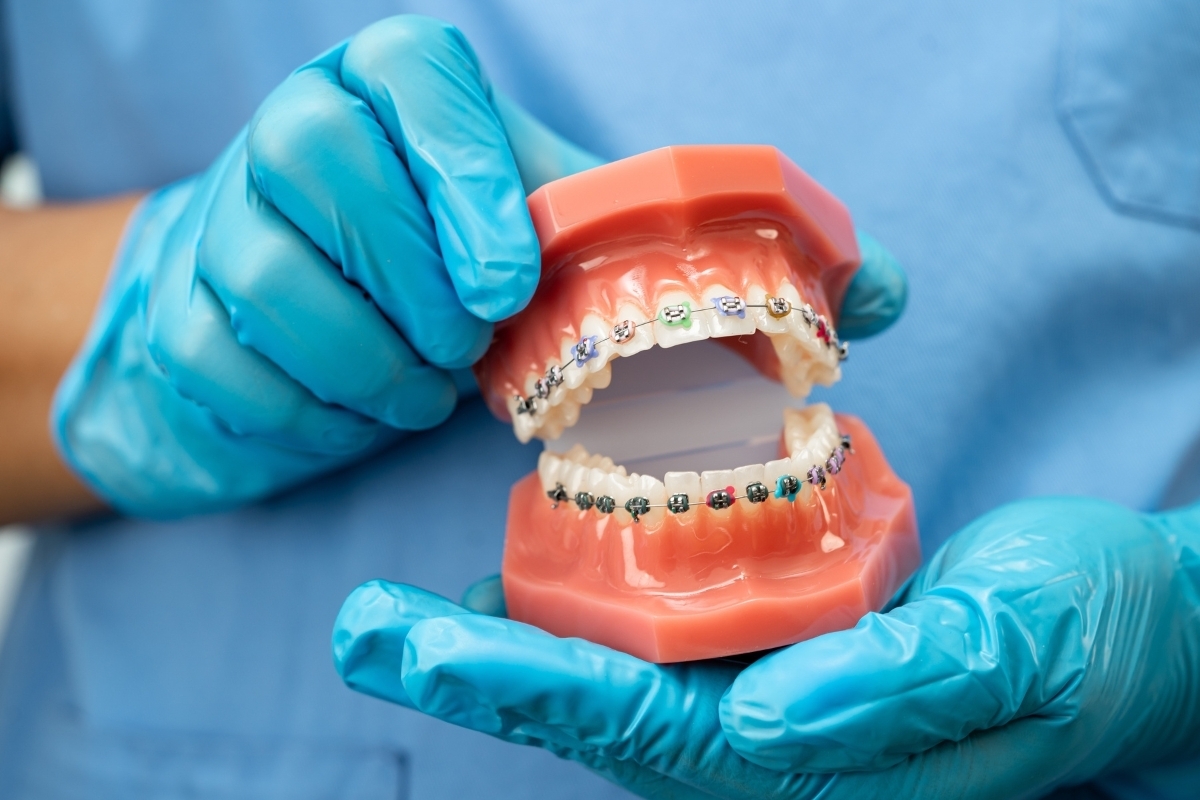
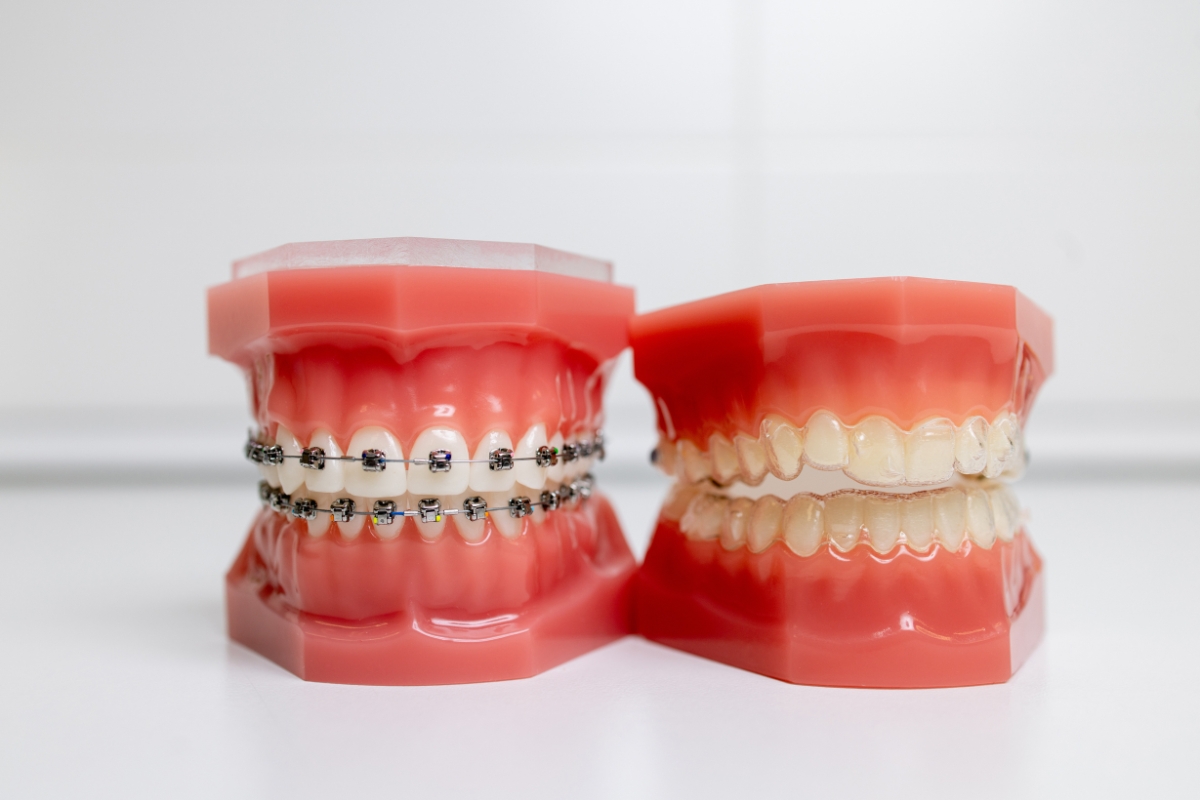
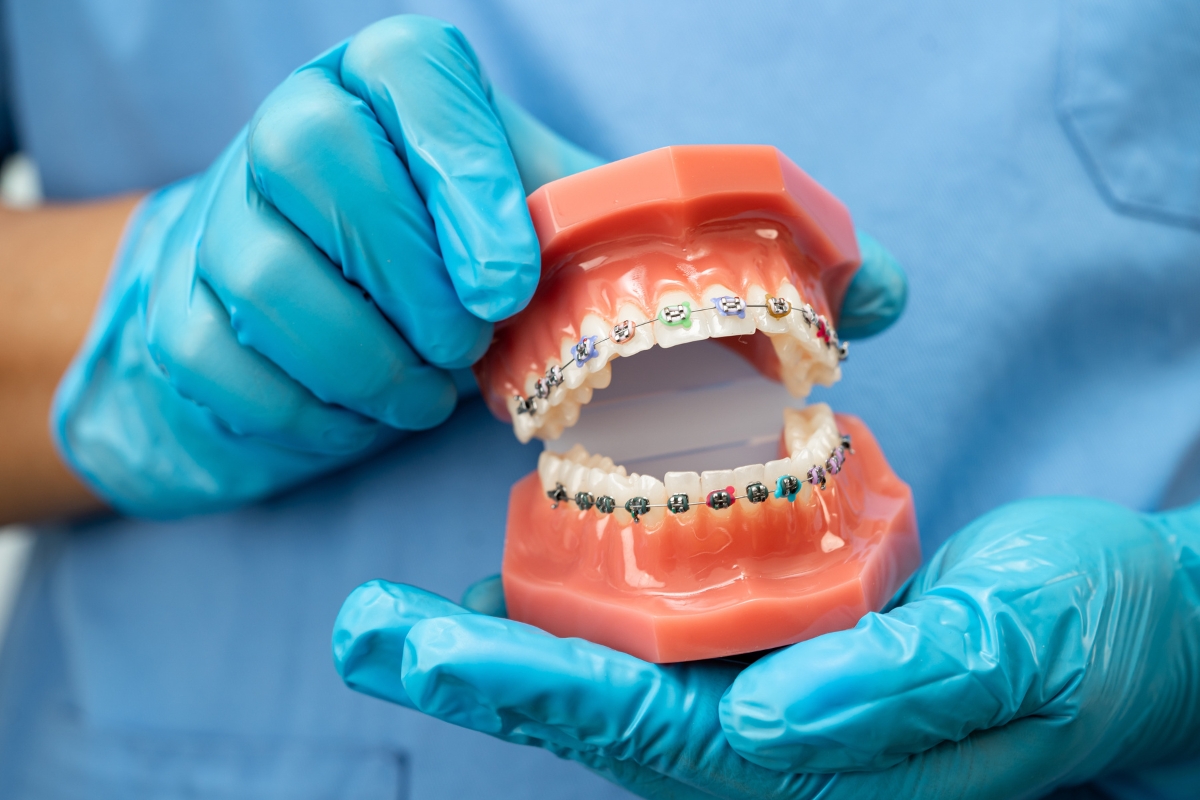
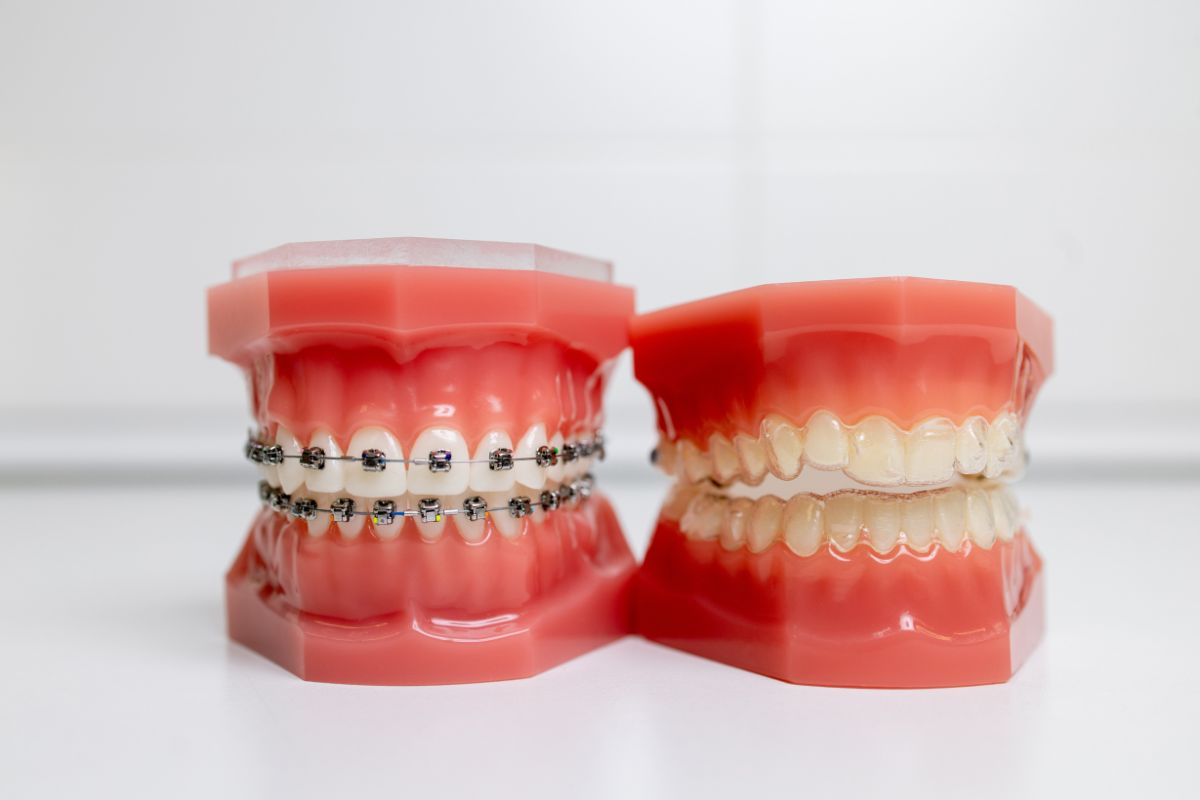
Metal braces remain one of the most reliable and cost-effective solutions for moderate to severe crowding. Brackets and wires apply consistent pressure to gradually move teeth into their correct positions. If you’re considering braces for crowded teeth, this is often the most comprehensive option — especially for complex cases.
If you’re in the area, exploring braces treatment in Wichita Falls, TX is a great starting point for a professional evaluation tailored to your smile.
2. Clear Aligners
Clear aligner systems (like Invisalign) use a series of custom-made, removable trays to shift teeth gradually. They’re nearly invisible, comfortable, and easy to maintain. Clear aligners work well for mild to moderate crowding and are especially popular with adults and teens who want a discreet option.
3. Palatal Expanders
For younger patients whose jaws are still developing, a palatal expander can gently widen the upper jaw to create more space for teeth. This proactive approach can sometimes eliminate the need for extractions later.
4. Tooth Extractions (When Necessary)
In cases of severe crowding, removing one or more teeth may be recommended before or during orthodontic treatment. This creates the space needed for remaining teeth to align properly. It’s more common in adults whose jaws have fully developed.
5. Retainers After Treatment
No matter which treatment you choose, retainers are the unsung heroes of lasting results. They hold teeth in their new positions after active treatment ends, preventing relapse. Wearing your retainer as directed is just as important as the treatment itself.
Can Crowded Teeth Be Fixed in Adults?
Absolutely, and this is one of the most common questions we hear. Orthodontic care has grown well beyond the schoolyard. Today, it’s a legitimate and common choice for people at virtually every stage of adult life. Adults make up a significant portion of orthodontic patients today, and results are just as effective.
The process may take a bit longer for adults since the jaw is no longer growing, but with consistent treatment and proper retention, adults achieve beautiful, lasting results every day. A straighter, healthier smile doesn’t have an age limit — adults across all decades are choosing to address crowding and walking away with results they’re proud of.
What to Expect at Your First Consultation
Getting started is far less intimidating than most people expect — it begins with a relaxed, no-pressure appointment where you do most of the talking. At your first appointment, your orthodontist will:
- Take X-rays and photographs to assess your bite and bone structure
- Discuss your goals and lifestyle
- Outline which treatment approaches suit your case, give you a realistic timeline, and break down what the investment looks like.
- Answer any questions you have, no pressure, no rush
Think of it as a discovery session. You leave with a clear picture of what’s possible and a plan that fits your life.
Ready to Take the Next Step?
If you’ve been putting off addressing your crowded teeth whether because of uncertainty, cost concerns, or just not knowing where to start, consider this your gentle nudge. Treatment has come a long way, options are more comfortable than ever, and the benefits go well beyond aesthetics.
The team at Spearmint Dental & Orthodontics in Wichita Falls is here to help. From your very first consultation to the day you get your retainer, we’ll guide you every step of the way with personalized care and a warm, judgment-free approach.
Frequently Asked Questions
How long does it take to fix crowded teeth?
Treatment time varies from 6 months to 2–3 years depending on severity. Mild crowding with aligners can resolve faster, while complex cases with braces may take longer.
Is it painful to fix crowded teeth?
Some discomfort is normal after adjustments, but it’s typically mild and short-lived. Most patients describe it as pressure rather than pain, easing within a day or two.
At what age should crowded teeth be treated?
Early evaluation around age 7 is recommended, but treatment is effective at any age. Adults successfully correct crowding all the time with excellent, lasting results.
Will I need teeth removed to fix crowding?
Not always. Extractions are only recommended in severe crowding cases where there’s insufficient space. Many patients achieve great results without removing any teeth.
How much does it cost to fix crowded teeth?
Costs vary based on treatment type and severity, typically ranging from $3,000–$7,000. Many dental offices offer flexible payment plans and accept insurance to make treatment more accessible.