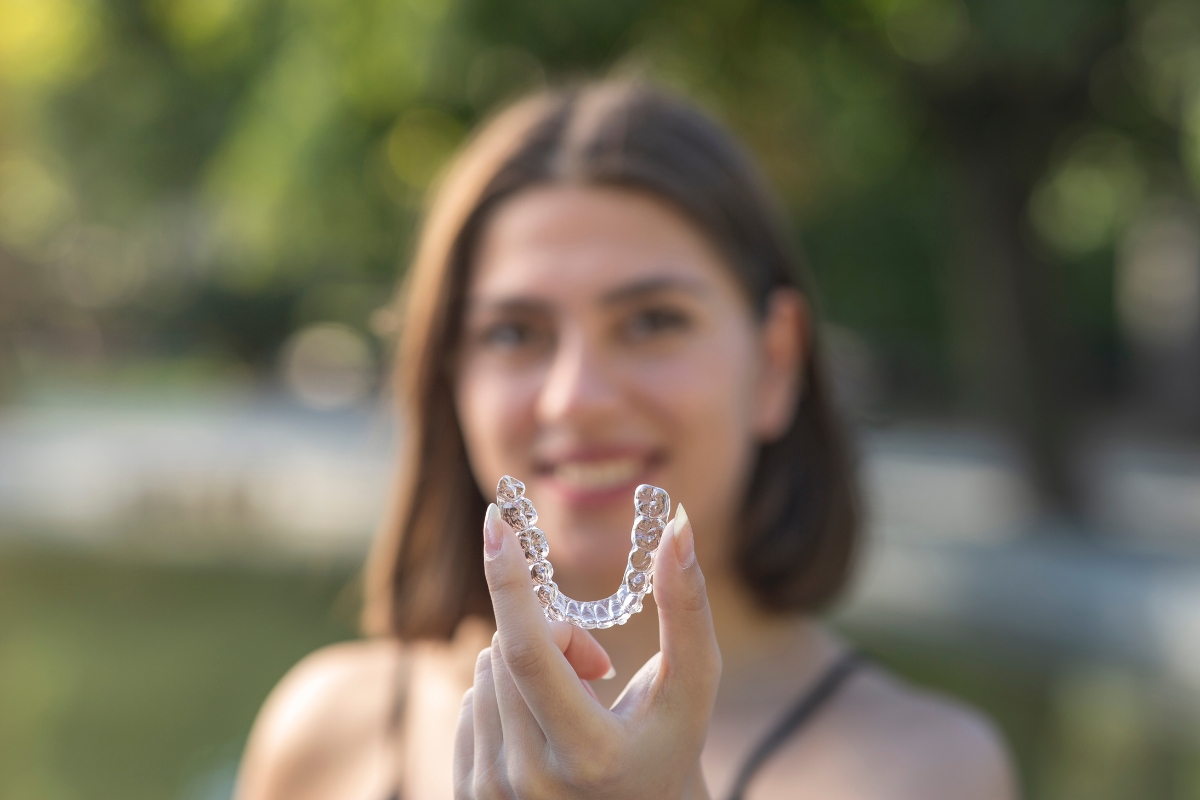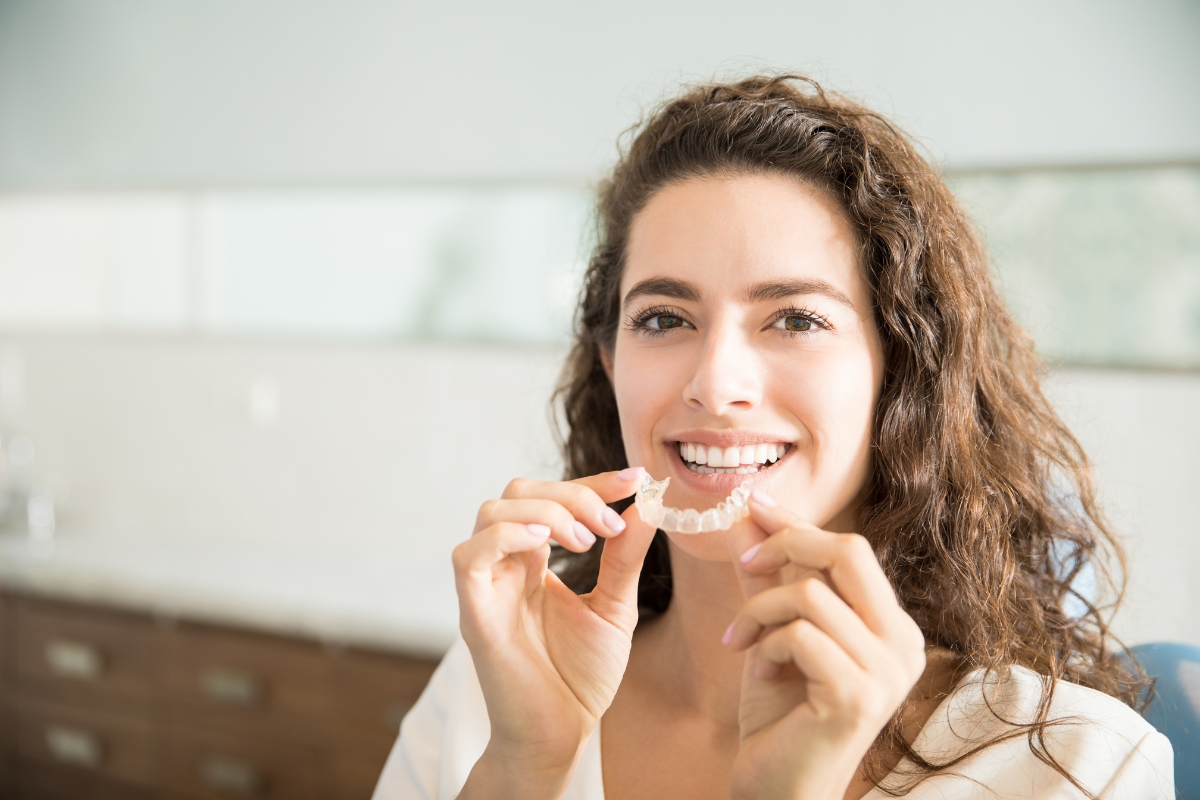
A straighter smile can now be achieved without the need for years of brackets and wires. Thanks to transparent aligners, orthodontic care has become more accessible and comfortable. Both adults and teens are now seeking treatments that seamlessly fit into their busy lives. This allows them to look confident during work meetings, school events, or social gatherings without anyone noticing.
Understanding how invisalign works can make the process feel less overwhelming. Each stage has a purpose. Every aligner slowly shifts specific teeth into a healthier position using controlled pressure. The changes may look subtle at first, but they build week after week. Many patients in Wichita Falls also want to know what actually happens during the Invisalign treatment and how long each phase takes. At Spearmint Dental & Orthodontics – Wichita Falls, our team helps patients understand each step clearly before treatment even begins. In this blog, learn how this treatment will help you achieve the smile you have always wanted.
The First Stage Starts Before You Wear Aligners
Here are the initial stages you will experience during the treatment:
Your Consultation Builds the Treatment Plan
The first appointment focuses on understanding your teeth, bite, and smile goals. Digital scans and images help create a detailed treatment roadmap. This planning stage matters because every tooth movement must happen in the correct order. Some people need minor adjustments. Others require longer treatment because of crowding or spacing. Age, oral habits, and bite alignment also influence timing.
Treatment Planning Starts With Detailed Records
Before aligners are created, the dental team gathers important information about your teeth and bite. X-rays, photos, and impressions help build a personalized treatment plan that guides tooth movement safely and gradually. These records also help patients understand what changes may happen during each stage of treatment.
Why Does Treatment Timing Look Different for Everyone?
One patient may finish in under a year. Another may need closer to two years. The timeline depends on tooth movement complexity and aligner consistency. The American Association of Orthodontists notes that aligners work best when worn 20 to 22 hours daily. Skipping wear time may delay progress.
What Happens During the First Few Weeks?
This is what happens:
The Pressure Means Teeth Are Moving
New aligners often create mild pressure during the first few days. That feeling usually signals that something is happening. Most people describe the sensation as tightness rather than pain. Speech changes may happen briefly during the adjustment period. Most patients adapt within days.
Attachments Help Guide Tooth Movement
Some cases require small tooth colored attachments. These tiny shapes help aligners grip teeth more effectively during movement. They often improve control during rotations or bite correction. This part of the treatment surprises many first-time patients because the attachments look much smaller than expected.
Eating Habits Begin to Change
Aligners come out during meals, which often changes snacking habits naturally. Patients typically brush more often and become more aware of oral hygiene routines. People preparing for special events often appreciate aligners because they remove easily during meals, hydration breaks, and long outdoor activities in the heat.
Why Do Teeth Move Gradually With Aligners?
These are the reasons:
Small Movements Protect Your Oral Health
Teeth do not move safely overnight. Bone and gum tissue need time to adapt. Slow movement helps reduce unnecessary stress on surrounding structures. That controlled process explains when people ask, “How does invisalign work to move teeth without using brackets or metal wires?” Each tray applies calculated pressure to targeted areas only.
Mid-Treatment Checkups Matter More Than Patients Realize
Progress visits help confirm teeth are tracking properly. If movement slows, the dental care provider may adjust the treatment sequence. These appointments also help identify wear issues early. Some patients assume fewer office visits mean less supervision. In reality, monitoring remains extremely important throughout treatment.
Consistency Impacts the Timeline
Patients often ask how long do Invisalign clear aligners take to work because they want visible improvement quickly. Small changes usually appear within weeks, but a noticeable transformation takes longer. Wearing trays inconsistently can extend treatment significantly. Daily discipline creates the best results.
Signs Your Smile Is Progressing the Right Way
These are the signs you need to look for:
Changes Become More Noticeable Around Mid-Treatment
Many patients notice visible alignment improvements halfway through treatment. Crowded teeth often begin spacing evenly. Small bite problems may also improve gradually. Confidence tends to increase during this phase because progress becomes easier to recognize in photos and conversations.
Oral Hygiene Usually Improves During Treatment
Aligners encourage more structured dental habits. Patients brush after meals more often and become more aware of food debris or plaque buildup. The Centers for Disease Control and Prevention states that good oral hygiene supports healthier gums and lowers the risk of decay during orthodontic treatment.
Patients Often Notice Lifestyle Benefits
Many adults choose transparent aligners because they fit professional and social environments more comfortably. Teenagers often like the removable design during sports and activities. Local food spots near the downtown district, especially barbecue restaurants and Tex-Mex favorites, make using removable aligners convenient. Patients can eat normally without avoiding crunchy or chewy foods.
Is Invisalign Really Worth the Commitment?
The answer is yes, it is, and here are the reasons:
The Final Trays Refine Small Details
Toward the end of treatment, movements become more precise. Minor spacing and bite adjustments help improve symmetry and comfort. These refinements often create the polished final appearance patients expect. This stage may involve additional aligners depending on progress.
Retainers Protect the New Smile
Teeth naturally shift over time. Retainers help maintain alignment after active treatment ends. Most patients wear them more frequently at first, then transition into nighttime use later. Skipping retainer wear may allow teeth to drift again.
Understanding the Long-Term Value
People researching transparent aligners often ask How good are invisalign compared to traditional orthodontic options. The answer depends heavily on patient consistency, treatment planning, and case complexity. For many adults and teens, aligners offer a discreet and flexible solution that fits modern lifestyles more comfortably than traditional braces.
A Straighter Smile Starts With the Right Guidance
Starting orthodontic care feels easier when patients understand every stage clearly. From the first scan to the final retainer, each phase plays a role in creating healthier alignment and better function. Clear expectations also help reduce uncertainty during treatment.
If you are considering aligners, Spearmint Dental & Orthodontics – Wichita Falls can help you clearly understand your options and treatment timeline. Learn more about Invisalign treatment in Wichita Falls and schedule a consultation to explore the next step toward a healthier smile. So book an appointment now.
FAQs
Can those transparent aligners fix bite problems?
Many aligner systems can improve mild to moderate bite concerns. Treatment success depends on tooth movement complexity and patient consistency. Some severe bite conditions may require additional orthodontic approaches for better long-term stability.
Do aligners affect speech permanently?
Speech changes usually happen temporarily during the adjustment period. Most people adapt within several days as the tongue adjusts to the trays. Pronunciation typically returns to normal with regular wear and practice.
Can coffee stain transparent aligners?
Dark beverages may discolor trays over time. Removing aligners before drinking coffee helps maintain clarity and cleanliness. Rinsing the mouth afterward also reduces staining risks during treatment.
What happens if aligners are skipped for several days?
Skipping trays may allow teeth to shift backward slightly. Restarting treatment without guidance can affect fit and progress. Patients usually need professional instructions before continuing after extended gaps.
Are aligners suitable for teenagers?
Many teenagers respond well to removable orthodontic systems. Success depends on responsibility and daily wear habits. Parents often appreciate the easier cleaning routine compared to traditional brackets and wires.
Can aligners help with crowded teeth?
Those clear trays commonly improve mild and moderate crowding issues. The treatment gradually creates space using controlled tooth movement. Proper planning helps reduce overlap while improving overall alignment and function.