You’ve probably heard that dental implants are built to last a lifetime, and that’s not just a marketing slogan. But like most things in life, the reality comes with a bit of nuance. Dental implants are one of the most durable tooth replacement options available today, but how long they actually last depends a lot on what happens after you leave the dental chair. If you’re considering implants, or you’ve recently had them placed, this guide will give you a clear, honest picture of what to expect and exactly how to make them go the distance.
What Makes Dental Implants So Long-Lasting?
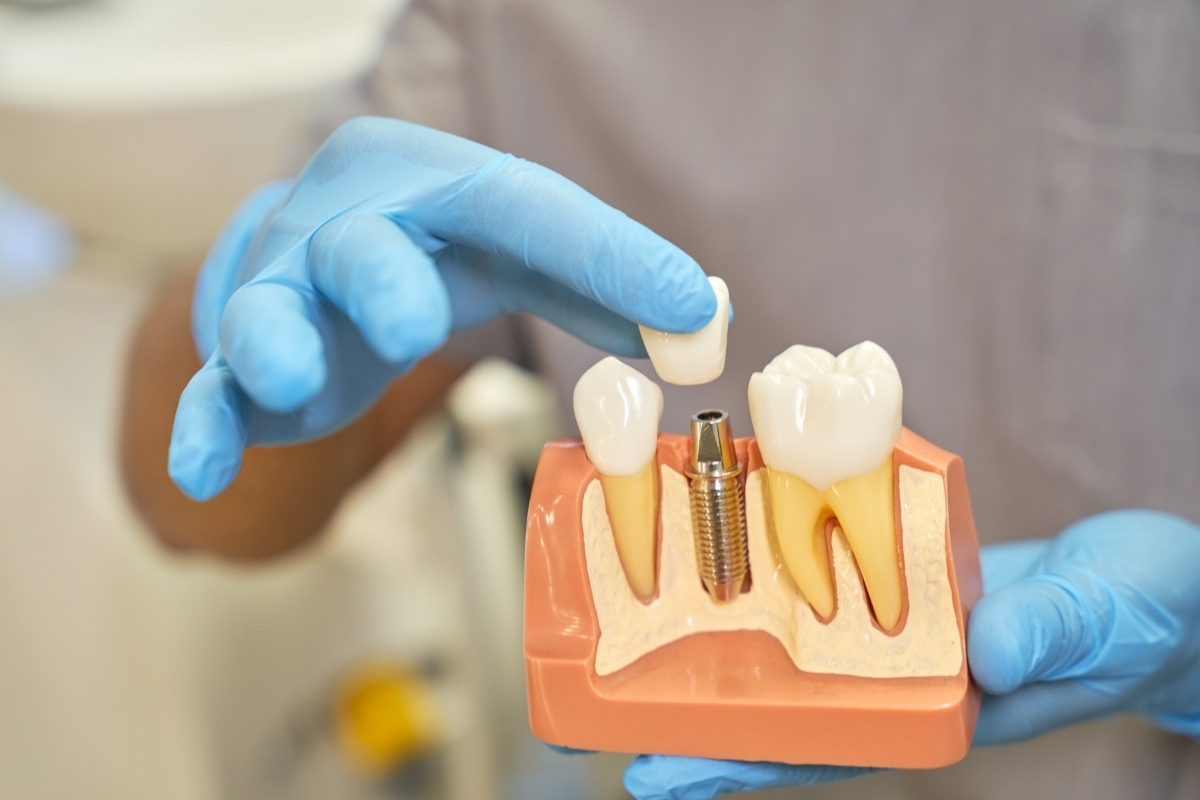
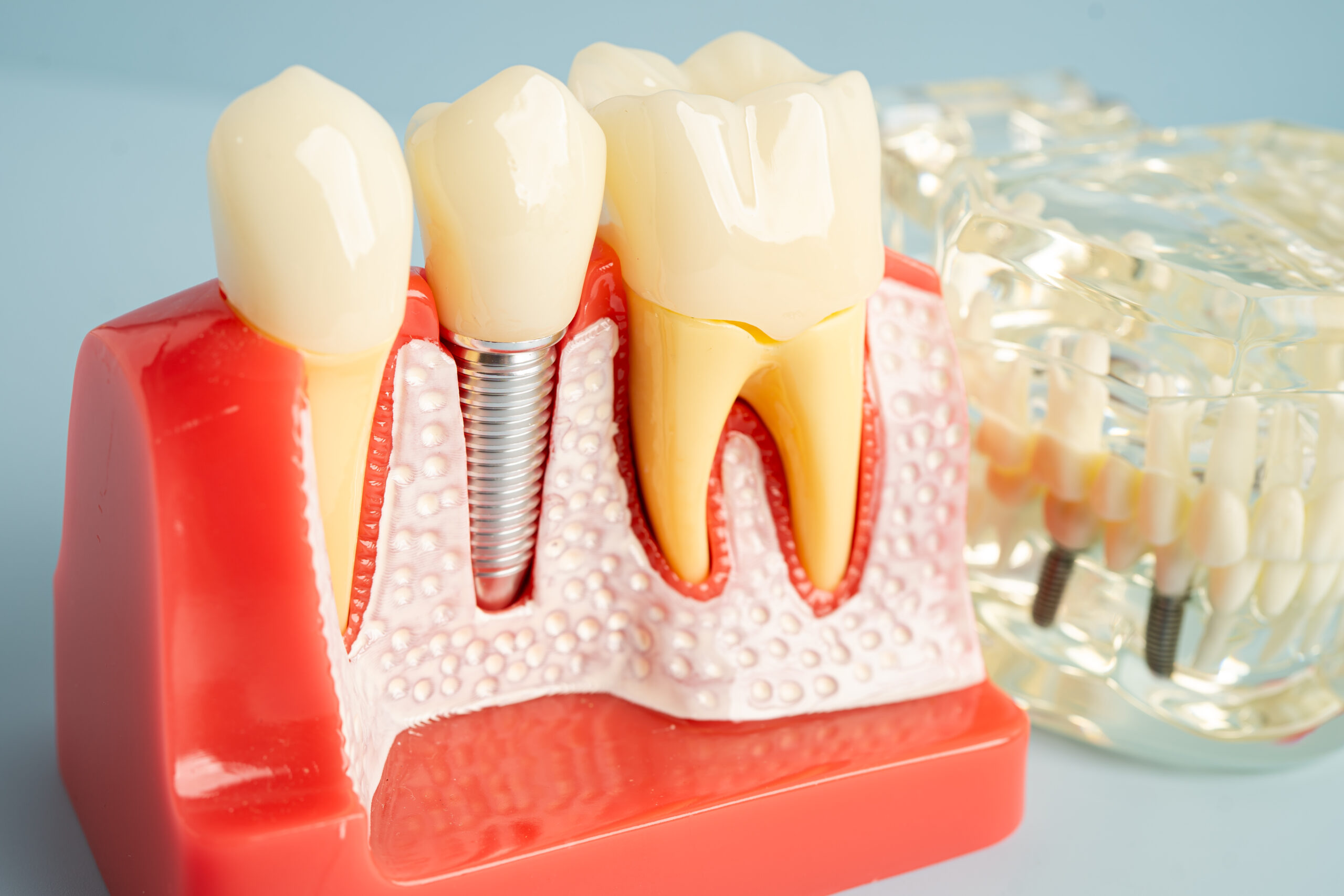
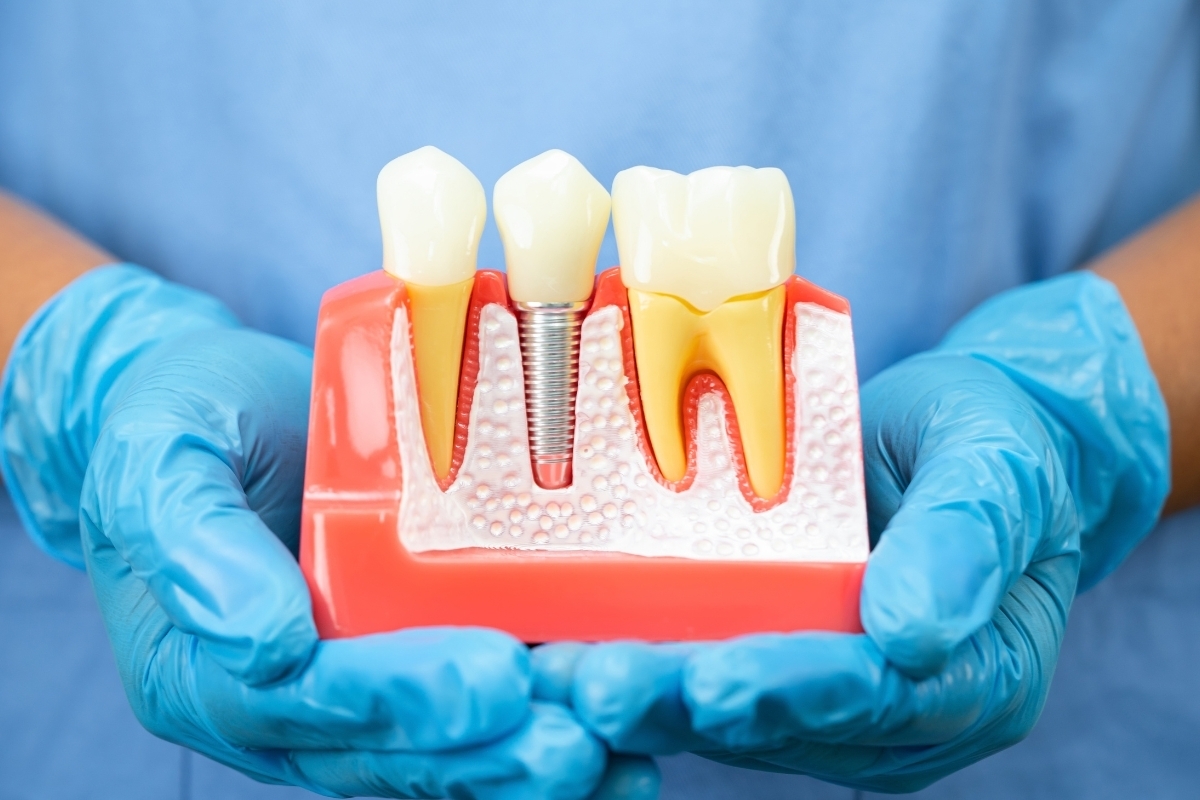
To understand why implants can last so long, it helps to know what they actually are. A dental implant is a small titanium post that’s surgically placed into the jawbone, where it functions as an artificial tooth root. Over a period of several months, it fuses with the surrounding bone through a natural process called osseointegration. This is what gives implants their remarkable stability and makes them feel and function just like natural teeth.
The crown, the visible part of the implant that looks like a tooth, sits on top of this post via a connecting piece called an abutment. It’s this three-part structure that makes implants so much more effective than traditional dentures or bridges.
So, How Long Do Dental Implants Actually Last?
Here’s the straightforward answer: the titanium implant post itself can last a lifetime when properly cared for and when osseointegration is successful. Clinical studies have shown tooth implants achieving success rates of over 95% at the 10-year mark, and many patients keep their implants for 25 years or more.
The dental crown placed on top is a different story. Crowns typically last between 10 and 15 years before they may need to be replaced due to normal wear and tear. Factors like where the implant is located in the mouth and how well you care for it can push that timeline in either direction.
Think of it this way: the foundation is built to last forever, but the surface will need some maintenance over time, much like a house.
Factors That Affect How Long Dental Implants Last
Not every implant journey looks the same. Several factors play a significant role in determining the lifespan of your implants.
Your Oral Hygiene Routine
This is the single biggest factor in implant longevity. Implants can’t get cavities, but the tissue and bone around them are still vulnerable to bacterial infection. A condition called peri-implantitis, essentially gum disease around an implant, is one of the leading causes of implant failure. Brushing twice daily, flossing carefully around the implant, and using a water flosser if recommended by your dentist all go a long way in preventing this.
Smoking and Tobacco Use
Smoking significantly increases the risk of implant failure. It restricts blood flow to the gums, slows healing after placement, and makes the tissue around the implant more susceptible to infection. Studies consistently show that smokers experience higher implant failure rates than non-smokers. If you smoke and are considering implants, this is a strong reason to talk to your doctor about cessation options.
Bone Density and Jaw Health
Dental implants need a healthy, dense jawbone to anchor into. Patients with bone loss, often caused by long-term tooth loss, gum disease, or certain medical conditions, may require a bone graft before implants can be placed. Even after successful placement, maintaining good bone health is essential for the implant to stay secure over time.
Your Overall Health
Certain medical conditions can affect how well implants integrate and how long they last. Uncontrolled diabetes, autoimmune disorders, and osteoporosis can all impact healing and bone health. Medications that affect bone density, like long-term corticosteroid use, may also be a factor. Being upfront with your dental provider about your full medical history is essential before and after implant placement.
Location of the Implant
Implants placed in the back of the mouth (molars and premolars) experience significantly more chewing force than those in the front. This means they may show wear on the crown more quickly. It doesn’t affect the post itself, but it’s worth factoring in when discussing expected maintenance timelines with your dentist.
Teeth Grinding (Bruxism)
If you grind or clench your teeth, especially at night, the excess pressure can stress both the implant and the crown over time. A custom night guard is often recommended to protect your investment, particularly if bruxism is already a known issue for you.
How to Make Your Dental Implants Last as Long as Possible
The good news is that most of the factors within your control are straightforward habits.
- Brush twice a day with a soft-bristled toothbrush, paying close attention to the gumline around the implant.
- Floss daily using implant-specific floss or a water flosser to clean areas your brush can’t reach.
- Avoid chewing on hard objects like ice, hard candies, or the end of a pen, these can damage the crown and stress the implant post.
- Visit your dentist regularly for checkups and professional cleanings every six months, or as recommended.
- Wear a night guard if you grind your teeth, to reduce pressure on your implants while you sleep.
- Avoid or quit smoking to dramatically improve both healing outcomes and long-term implant success.
None of these are difficult habits to build, and together, they’re what separates a 10-year implant from a lifetime one.
Are Dental Implants Worth the Investment?
Dental implants are one of the more significant investments in dental care, and it’s a fair question to ask whether they’re worth it. When you compare the lifespan of implants to other tooth replacement options, dentures that need relining and replacing every 5 to 7 years, or bridges that may need replacement after 10 to 15 years, the long-term value becomes clear.
Beyond longevity, implants preserve the jawbone, maintain facial structure, and allow you to eat, speak, and smile without restriction. For most patients who are good candidates, they offer the closest experience to natural teeth that modern dentistry can provide.
What Happens If an Implant Fails?
Implant failure, while uncommon, can happen. Early failure typically occurs within the first few months and is usually related to the osseointegration process not completing successfully. Late failure, occurring years after placement, is more often tied to infection, bone loss, or physical trauma.
If you notice pain, swelling, looseness, or difficulty chewing around an implant, don’t wait. Contact your dental provider promptly. In many cases, issues caught early can be addressed without losing the implant entirely.
Ready to Find Out If Dental Implants Are Right for You?
Dental implants have helped millions of people reclaim confident, functional smiles, and with the right care, they can truly last a lifetime. But the journey starts with the right dental team in your corner.
At Spearmint Dental & Orthodontics in Wichita Falls, we take the time to evaluate your unique dental health, walk you through your options honestly, and build a plan that’s designed to last. Whether you’re just starting to explore implants or you’re ready to move forward, we’re here to help every step of the way.
Schedule your consultation today and take the first step toward a smile you can count on for life.
FAQs About Dental Implant Longevity
1. Can dental implants last a lifetime?
The titanium post can last a lifetime with proper care, though the crown on top typically needs replacement after 10 to 15 years. Consistent oral hygiene and regular dental visits are key to long-term success.
2. What is the most common reason dental implants fail?
Peri-implantitis, a bacterial infection around the implant, is the leading cause of implant failure. Poor oral hygiene, smoking, and uncontrolled diabetes are the most common contributing factors.
3. Do dental implants require special cleaning tools?
Not necessarily, but tools like a water flosser or implant-specific floss can make cleaning around the implant easier and more effective. Your dentist will recommend what works best for your situation.
4. Can dental implants get infected?
Yes. While the implant post itself cannot decay, the surrounding gum and bone tissue can develop infection. This is why daily cleaning and routine dental visits remain essential even after implants are placed.
5. How do I know if my dental implant is failing?
Signs include pain or discomfort around the implant, swelling or bleeding gums, the implant feeling loose, or difficulty chewing. If you notice any of these, schedule an appointment with your dentist as soon as possible.