If you’ve lost most or all of your teeth and are exploring your options for replacing them, you may be wondering: “How many dental implants do I need for a full mouth restoration?” It’s a common and important question for patients considering implant treatment.
Many people assume they’ll need an implant for every missing tooth, but that’s not usually the case. With modern dental technology and treatment techniques, full mouth restorations can often be completed with far fewer implants than you might expect.
In this blog, we’ll explore how full mouth dental implants work, explain the different treatment options available, and help you understand what factors determine how many implants you’ll actually need.
What Is a Full Mouth Dental Implant Restoration?
A full mouth dental implant restoration replaces all teeth in the upper jaw, lower jaw, or both. It’s typically recommended for patients with severe tooth loss, failing teeth, or long-time denture wearers looking for a more stable, permanent solution.
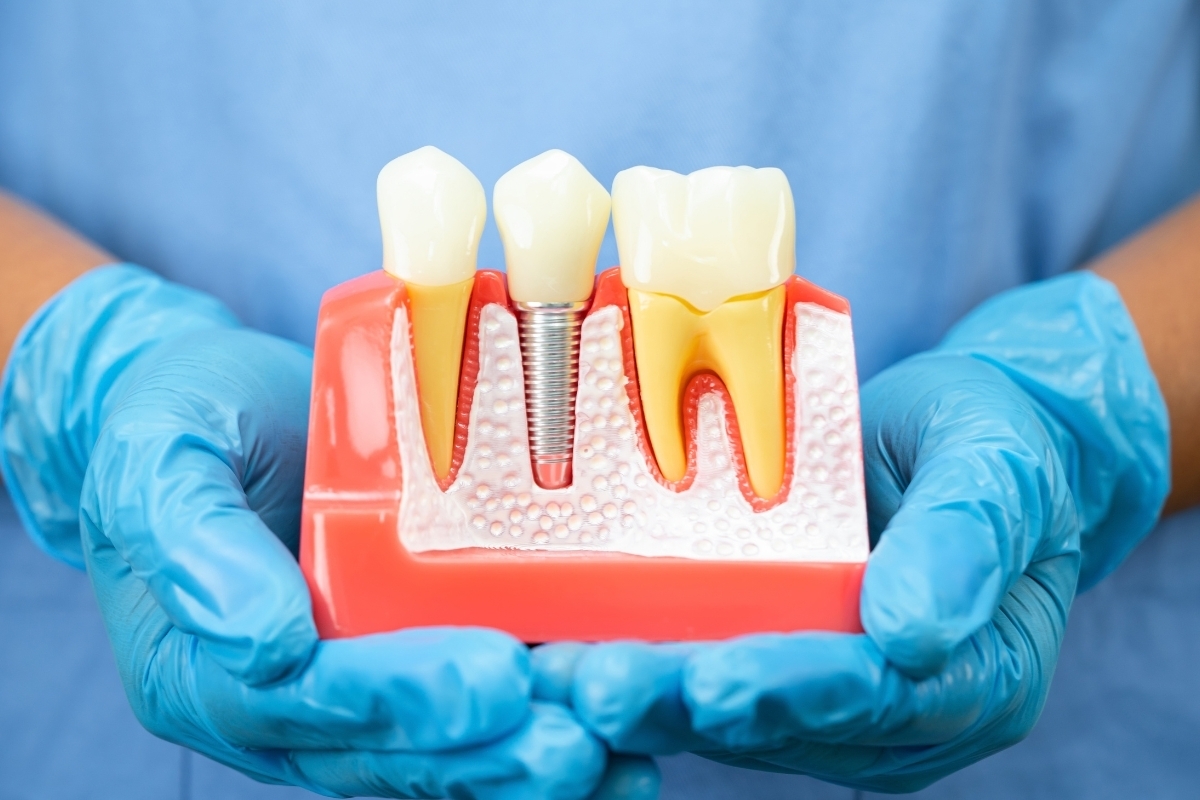
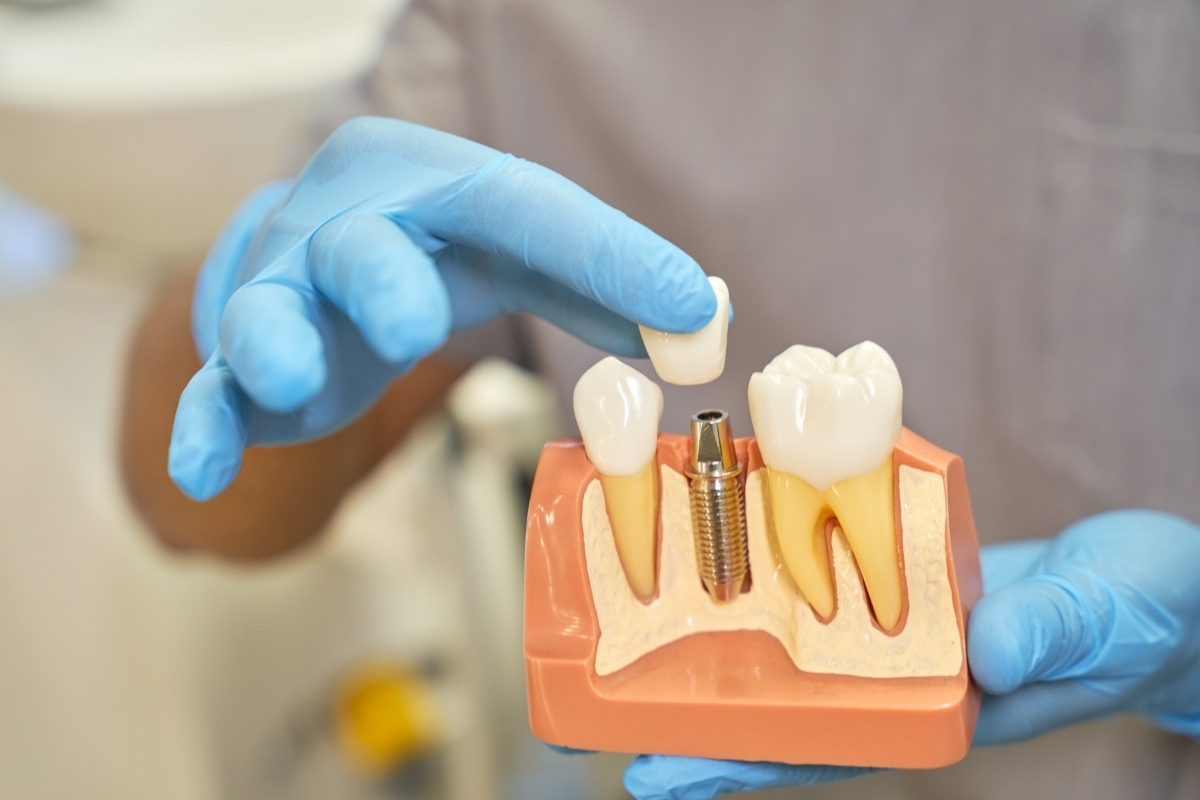
Unlike traditional dentures, full mouth implant restorations are anchored securely into the jawbone using dental implants—small titanium posts that act like artificial tooth roots. These implants support a fixed bridge or denture, restoring the appearance and function of your natural teeth.
Do You Really Need One Implant Per Missing Tooth?
It’s a common misconception that full mouth restoration requires an implant for every tooth being replaced. In reality, you don’t need 28 implants to replace 28 teeth.
Instead, modern implant techniques allow dentists to strategically place just a few implants to support a full arch of teeth. For example, a full set of upper or lower teeth can often be supported with as few as 4 to 6 implants.
This approach reduces surgical time, lowers costs, and shortens recovery, all while providing excellent stability and function.
What Are the Common Full Mouth Implant Options?
When it comes to full mouth tooth replacement, there are several popular treatment options available. The number of implants needed depends on the method used:
All-on-4® Full Arch Dental Implants
The All-on-4® technique uses four implants per arch—two placed vertically in the front and two angled in the back—to support a full set of teeth. This method is ideal for patients with bone loss and offers excellent stability with minimal implants.
All-on-6 or All-on-8 Dental Implant Solutions
For added strength and long-term durability, some patients may benefit from six or eight implants per arch. This is especially beneficial for patients with a strong jawbone or higher chewing needs. It provides a more even distribution of pressure and support.
Implant-Supported Dentures for Full Mouth Replacement
These are removable or fixed dentures that are secured in place by two to six dental implants. Implant-supported dentures are a great option for patients transitioning from traditional dentures and looking for better stability and function.
All-on-4 vs. All-on-6: When to Choose One Over the Other for Full Arch Replacement
If you’re replacing a full upper or lower arch, your dentist might recommend either All-on-4 or All-on-6 dental implants. While both are effective, the right choice depends on your unique oral health needs and treatment goals.
Here’s when All-on-4 implants may be ideal:
- You have some bone loss and want to avoid grafting.
- You prefer a less invasive procedure with quicker healing.
- You’re looking for a more cost-effective full arch option.
All-on-6 implants may be recommended when:
- You have sufficient bone density for more implants.
- You need additional support due to a strong bite or grinding habit.
- You want enhanced long-term durability and stress distribution.
Your dental provider will use advanced imaging and diagnostic tools to determine which option best fits your case. Both solutions provide stable, fixed teeth, but the number of implants can affect function, cost, and long-term success.
What Factors Determine How Many Dental Implants You’ll Need for Full Mouth Restoration?
The number of implants used in a full mouth restoration varies depending on several personal and clinical factors. Your dentist will create a tailored treatment plan based on:
- Jawbone volume and quality – Healthy bone may support fewer implants, while bone loss may require grafting or a different implant layout.
- Upper vs. lower arch anatomy – The upper jaw typically requires more implants due to softer bone structure.
- Type of restoration – Fixed bridges often need more implants than removable implant-supported dentures.
- Budget and treatment goals – Cost, aesthetics, and lifestyle preferences play a role in determining the best solution.
- Oral habits – If you grind your teeth or have a strong bite, more implants may be advised for better long-term support.
This evaluation ensures that your implant solution is not only functional and long-lasting, but also personalized to your needs.
What Are the Benefits of Using Fewer Dental Implants to Support a Full Arch?
You can restore an entire arch of teeth with fewer implants—without sacrificing strength or stability. Some key benefits include:
- Minimally invasive: Fewer implants mean less surgery and shorter recovery time.
- Lower cost: Using fewer implants reduces overall treatment expenses.
- Efficient treatment: Many patients can receive implants and new teeth in the same day.
- Preservation of bone and facial structure: Implants help stimulate the jawbone, preventing bone loss and supporting facial appearance.
Looking for Dental Implants? Visit Us in Princeton or Wichita Falls for a Consultation
If you’re considering full mouth dental implants, contact Spearmint Dental & Orthodontics. We are conveniently located in two locations of Texas – Princeton and Wichita Falls. We use advanced imaging, digital planning, and years of clinical experience to design the right solution for your smile.
Schedule your consultation and let us help you restore your smile with confidence, comfort, and care.