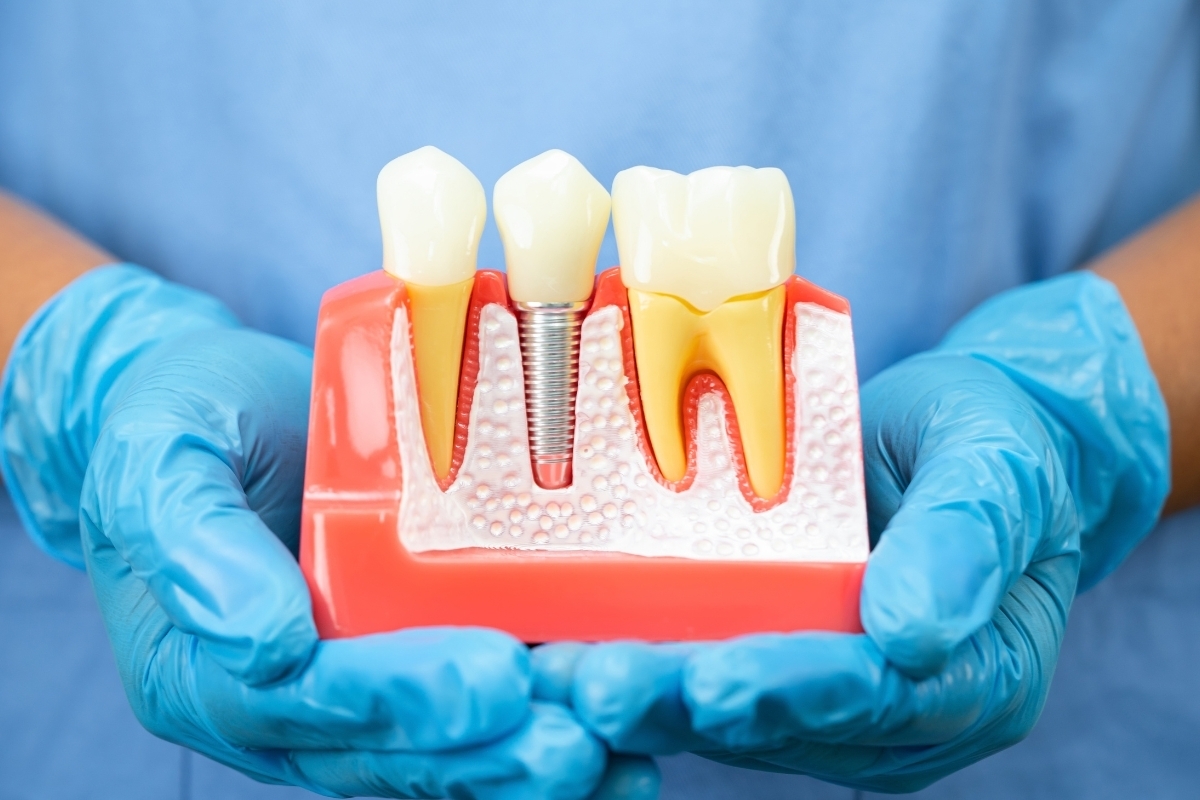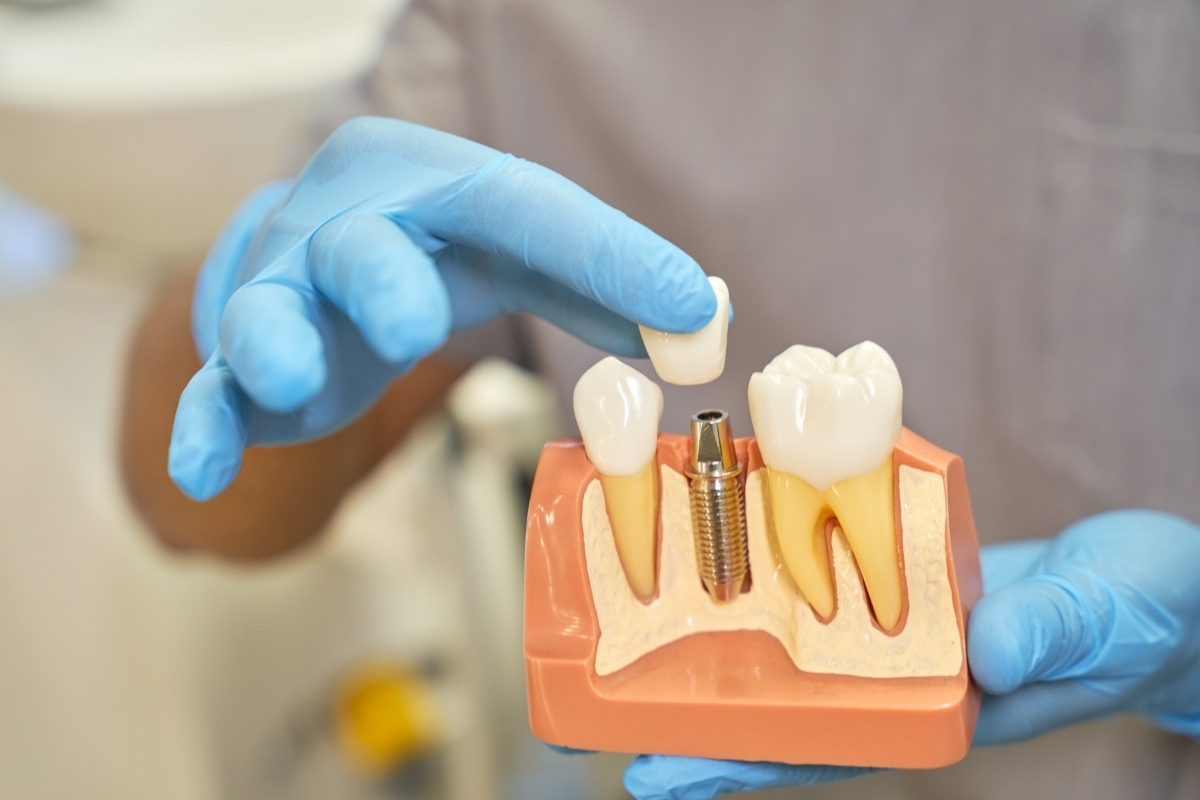
Dental implants are a popular and effective solution for replacing missing teeth, offering a long-term way to restore both function and confidence. But for older adults, there are additional factors to consider before undergoing dental implants surgery. As people age, their overall health and bone density can change, which may affect the success of the procedure.
According to the American Dental Association, over 5 million dental implants are placed annually in the United States, with a growing number of these patients over the age of 65. However, seniors are at a higher risk of complications, which is why it’s important to understand the potential challenges and how to mitigate them.
Why Age Can Affect Implant Success
While dental implants are generally safe for older adults, factors such as bone density, gum health, and overall recovery time can influence the outcome.
Bone density often decreases with age, particularly if teeth have been missing for an extended period. Without enough healthy bone tissue, implants might not fuse properly, increasing the risk of failure.
With aging, sometimes older persons experience more gum disease due to previous dental neglect or age-related health issues, further complicating the implant process. In a publication of American Academy of Periodontology, it is reported that approximately 64% of the older persons aged 65 and above have some form of periodontal disease.
Common Complications in Older Adults
1. Slower Healing Process
Healing after surgery is a critical part of the dental implant process. Older adults tend to experience longer recovery times, which means more careful post-operative care is needed. Poor healing can result in implant failure or infection, especially if any underlying conditions, like diabetes, aren’t well-controlled.
2. Jawbone Loss
A strong jawbone is essential for implant success. If teeth have been missing for a long time, the bone in the jaw can deteriorate, reducing the surface area needed to anchor the implant securely. In such cases, bone grafts or other procedures might be needed to restore bone volume before implants surgery.
3. Medication Effects
Many seniors take medications for chronic conditions, such as heart disease, diabetes, or osteoporosis. Some medications can interfere with the body’s ability to heal, or they can impact bone density, making it harder for the implant to integrate properly into the jaw.
4. Increased Risk of Infection
Older adults have weakened immune systems, making them more susceptible to infections, particularly in the mouth. If gum disease or other oral health issues are present, it can further increase the risk of complications after the implant surgery.
5. Chronic Health Conditions
Conditions like diabetes, heart disease, or autoimmune disorders can impact the healing process. For instance, poorly managed diabetes can lead to higher blood sugar levels, which can slow healing and increase the risk of infection. It’s important for older adults to have these conditions well-controlled before considering implants.
What Can Be Done to Lower the Risk?
While there are potential risks involved, several steps can help improve the success of implants:
1. Comprehensive Health Evaluation
Before considering dental implants surgery, it’s crucial to undergo a thorough health evaluation. This will help your dentist assess your medical history, review any medications, and understand underlying conditions that could impact the procedure. This ensures you’re fully prepared and any potential complications are addressed upfront.
2. Bone and Gum Health Assessment
Dental implants need a strong foundation. For seniors, this may involve checking bone density to ensure there’s enough bone to support the implant. If bone loss is present, options like bone grafts can help restore the necessary volume. Also, addressing any gum disease before surgery is crucial to preventing infections later on.
3. Proper Medication Management
Work with your healthcare provider to manage any medications that might interfere with healing or implant success. In some cases, adjustments may be necessary before or after the procedure. It’s especially important to ensure blood sugar levels are well-controlled if you have diabetes.
4. Personalized Aftercare Plan
Since recovery may take longer for older adults, following a personalized aftercare plan is essential. This includes keeping the surgical area clean, avoiding certain foods, and attending follow-up appointments to monitor the healing process. If any issues arise, catching them early can prevent complications down the line.
5. Choosing an Experienced Dentist
Working with a dentist specializing in implants in older adults is critical. They can create a customized plan that accounts for your specific health needs, ensuring the best possible outcome.
Restore Your Smile With Spearmint Dental & Orthodontics in Princeton or Wichita Falls, TX
While complications are possible, understanding the risks and preparing properly can help ensure a smooth procedure and recovery.
If you’re considering dental implants, contact us by schedule an appointment. During this visit, we’ll discuss your health, assess your needs, and develop a personalized treatment plan that’s right for you. We also offer insurance options to make your dental care accessible. We accept most of the insurance plans and discuss the coverage.