Are you considering Invisalign as an alternative to traditional braces? Before jumping into the treatment, there are a few things you should know. Invisalign has become increasingly popular over the years due to its convenience and aesthetic appeal. However, it’s important to understand that this treatment is not a quick fix and requires dedication on your part. To help you make an informed decision, we’ve compiled 10 essential things that you need to know before starting your Invisalign journey.
Top 9 Key Facts To Know Before Starting Invisalign
1. Invisalign is an alternative to braces
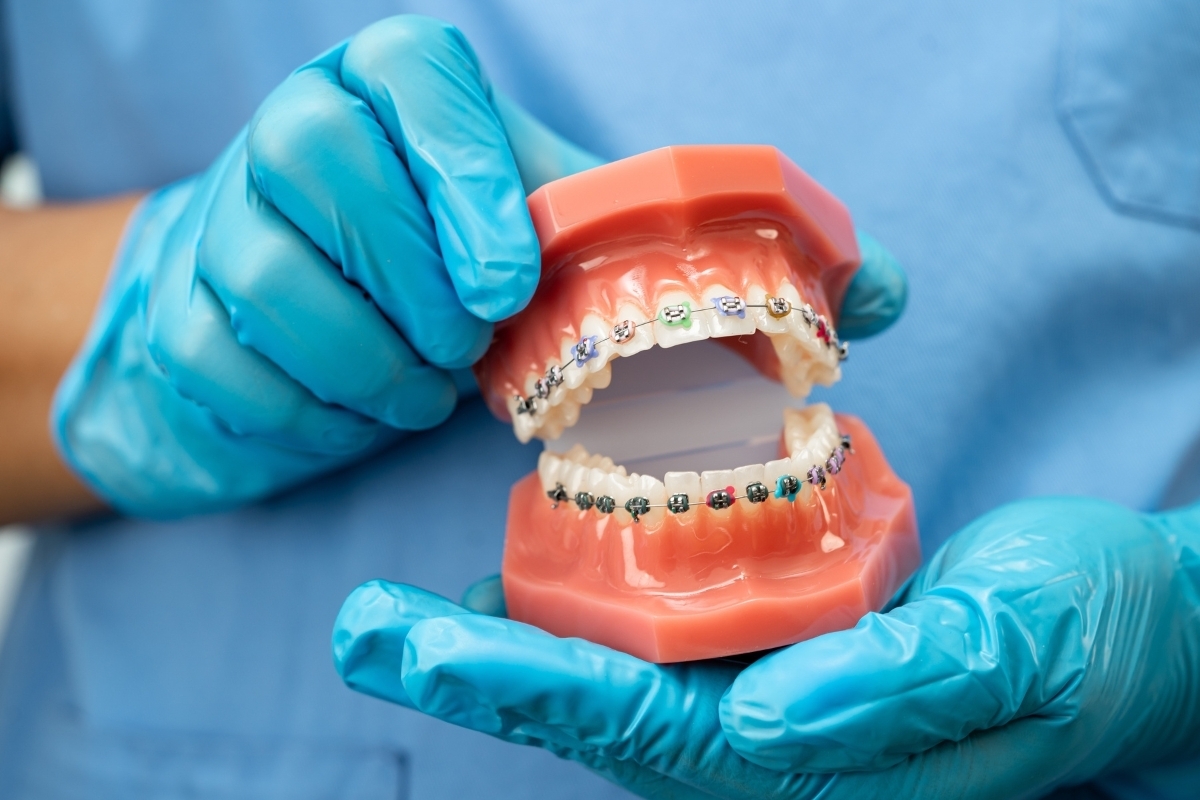
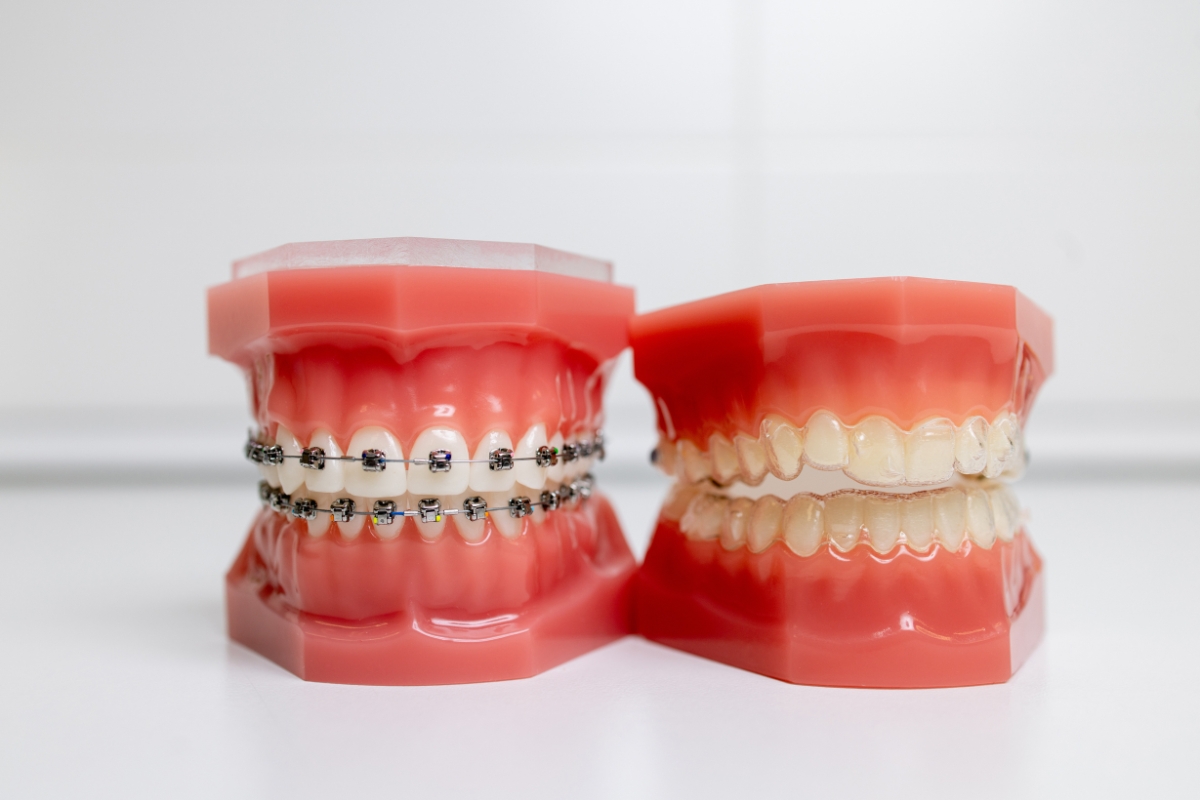
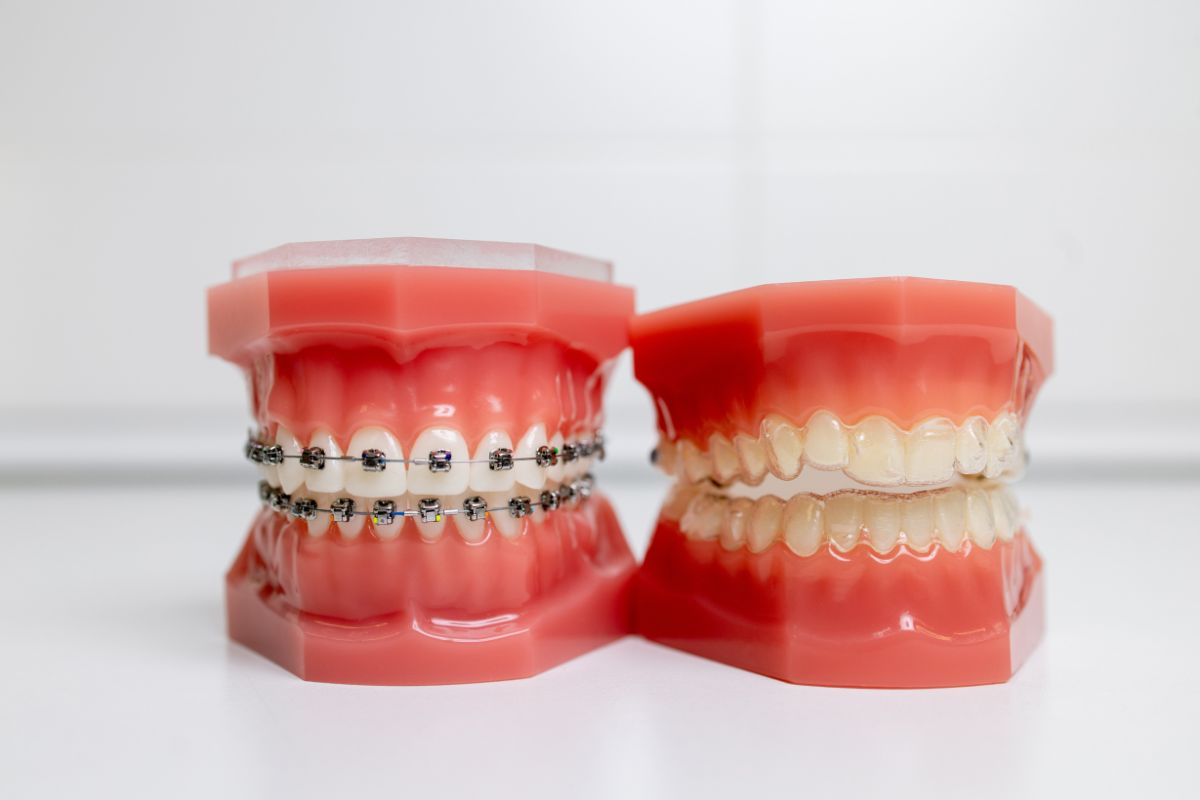
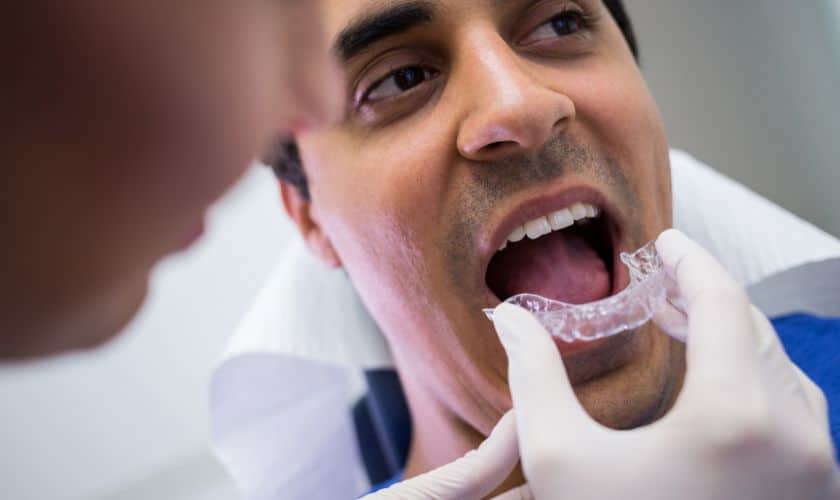
Invisalign is a popular alternative to traditional metal braces. Instead of using brackets and wires, Invisalign uses clear aligners that are virtually invisible. This makes them an attractive option for those who want to straighten their teeth discreetly.
One of the biggest benefits of Invisalign is that they can be removed for eating and cleaning. This means you don’t have to give up your favorite foods or spend extra time brushing and flossing around brackets and wires.
2. The Treatment Can Take Up to Two Years
One thing to consider before starting an Invisalign treatment is that it can take up to two years. While this might seem like a long time, keep in mind that the length of your treatment will depend on the severity of your dental issues.
Invisalign aligners gradually shift teeth into their proper position over time and each set of aligners is worn for about two weeks before moving onto the next set. This means that multiple sets of aligners will be necessary throughout the course of your treatment.
Patience and commitment are key when undergoing Invisalign treatment. But remember – after those two years are up, you’ll have a beautiful new smile!
3. Invisalign is more expensive than braces
One thing to keep in mind before starting Invisalign treatment is its cost, which can be higher than traditional braces. The reason for this is that the technology used in creating these custom-made clear aligners and their maintenance requires more pricey materials and equipment.
However, it’s important to note that many dental insurance plans cover at least a portion of the cost of Invisalign treatment. Additionally, some orthodontists offer payment plans or financing options to make the cost more manageable.
4. Invisalign can be uncomfortable
One of the biggest concerns that people have when considering Invisalign is whether or not it will be uncomfortable. And the truth is, there’s no one-size-fits-all answer to this question. While some patients may experience discomfort at first, others may find that they barely notice their aligners at all.
It’s important to remember that any orthodontic treatment can cause some degree of discomfort as your teeth shift and move into new positions – but with Invisalign, this discomfort tends to be minimal compared to traditional metal braces.
5. You have to wear a retainer after the treatment
After completing the Invisalign treatment, you might think that your teeth are perfectly aligned and there is no need for any additional effort. However, it’s important to remember that wearing a retainer after the treatment is crucial for maintaining the results.
The first few weeks after completing Invisalign treatment, your teeth will try to shift back into their original positions. This is why wearing a retainer can help prevent this from happening. Your dentist will likely recommend wearing the retainer full-time at first and then gradually reducing it over time.
6. You have to clean your aligners regularly
Maintaining proper oral hygiene while undergoing Invisalign treatment is crucial to ensure the success of the treatment. One of the essential things you need to do is clean your aligners regularly. This means cleaning them every day, preferably twice a day.
When you’re wearing Invisalign aligners, they can accumulate bacteria and plaque, just like your teeth. If you don’t clean them properly or often enough, it could lead to bad breath and even tooth decay.
7. You have to avoid hard foods
When undergoing an Invisalign treatment, it is crucial to be mindful of what you eat. Hard foods should be avoided at all costs as they can damage your aligners and prolong the treatment duration. So, what exactly are hard foods?
Hard foods refer to any food that requires excessive force or pressure when chewing. Examples include nuts, popcorn, candy apples and chewy candies.
Biting into hard foods can cause your aligners to crack or break. This means that you will have to replace them before continuing with the treatment, which can be expensive and time-consuming.
8. You have to visit the dentist frequently
Visiting the dentist frequently is an essential part of any dental treatment, including Invisalign. During your Invisalign treatment, you will need to visit your dentist every six to eight weeks for a check-up and adjustment.
During these visits, your dentist will evaluate your progress and make adjustments as necessary to ensure that the aligners are moving your teeth into their desired positions correctly. If there are any issues with the fit or movement of the aligners, adjustments can be made early on in the process before they become bigger problems down the line.
9. You might experience soreness in your
Starting an Invisalign treatment can be exciting, but it’s important to know that you may experience soreness during the process. This is completely normal and a sign that your teeth are moving as they should.
The soreness typically occurs when you switch to a new set of aligners, as they apply pressure to shift your teeth into their desired position. It usually lasts for a few days and can feel like mild discomfort or tenderness in your mouth.
Summary
To sum up, Invisalign can be a great option for those seeking an alternative to traditional braces. However, it is important to keep in mind that the treatment can take time and require extra effort on the wearer’s part. From regular cleaning of aligners to avoiding certain foods, there are several things you need to know before starting your Invisalign journey.
If you decide that Invisalign is right for you, make sure to stay on top of appointments with your dentist and follow their instructions closely. With patience and dedication, this treatment can lead to a beautiful smile that lasts a lifetime.
Frequently Asked Questions
1. How long does Invisalign treatment usually take?
Treatment time varies depending on the complexity of your case, but most Invisalign treatments last between 6 to 18 months. Your orthodontist will give you a personalized timeline during your initial consultation.
2. Can I eat and drink with Invisalign aligners in?
No. You should remove your aligners when eating or drinking anything other than water. This prevents staining, warping, and damage to the aligners.
3. Is Invisalign painful?
Invisalign isn’t typically painful, but you may experience mild discomfort or pressure for a few days after switching to a new set of aligners. This is a sign your teeth are shifting as intended.
4. How often do I need to wear my aligners?
For best results, you should wear your Invisalign aligners 20 to 22 hours per day, removing them only for eating, drinking, brushing, and flossing.