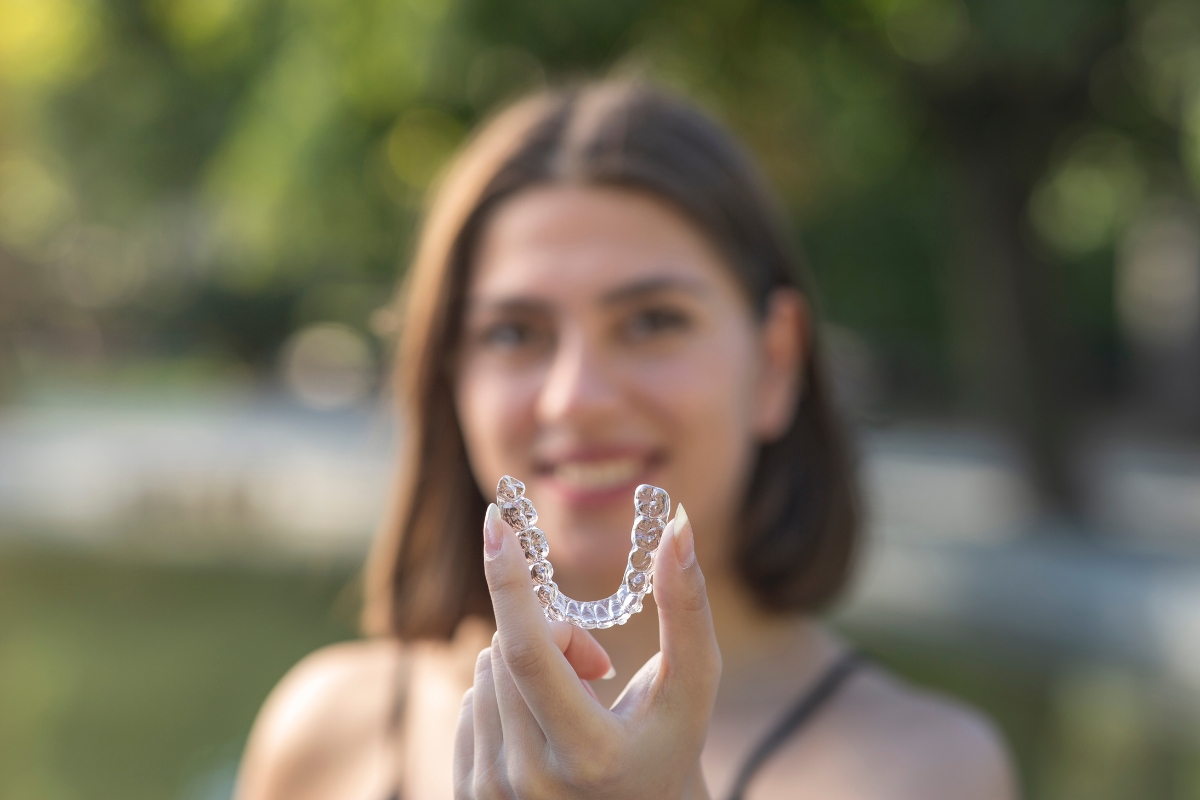
Are you tired of traditional metal braces? Do you want an alternative that is less noticeable and more comfortable? Look no further than Invisalign! This innovative treatment has been gaining popularity in recent years, but there are still many facts about it that people don’t know. In this blog post, we’ll explore five important things you need to know about Invisalign before deciding if it’s right for you. Get ready to discover the world of clear aligners and how they can transform your smile!
Invisalign is an alternative to braces
If you’re looking for a way to straighten your teeth without having to resort to traditional braces, then Invisalign might be just what you need. Invisalign is an alternative orthodontic treatment that uses clear plastic aligners instead of metal wires and brackets.
One of the main advantages of Invisalign is that the aligners are virtually invisible, making them a great option for people who don’t want their orthodontic treatment to be obvious. This can be particularly important for adults who may feel self-conscious about wearing braces.
Another advantage of Invisalign is that the aligners are removable, which means you can take them out when you eat or brush your teeth. This makes it easier to maintain good oral hygiene during your treatment.
In terms of effectiveness, studies have shown that Invisalign can be just as effective as traditional braces in treating many types of dental problems, including crowded teeth, overbites, underbites, and gaps between teeth.
Invisalign is more expensive than braces
When it comes to orthodontic treatment, the cost is a major factor that patients consider. Invisalign is often considered a more attractive option than traditional braces because of its discreet appearance and comfort, but these benefits come with a higher price tag.
Invisalign aligners are custom-made for each patient using advanced technology. The process involves multiple sets of aligners that gradually shift the teeth into place over time. This level of customization and technology does not come cheap compared to the simplicity of traditional braces.
The cost difference between Invisalign and traditional braces varies depending on several factors such as the severity of the dental issue being treated, geographic location, clinic reputation, and insurance coverage. However, on average Invisalign can be up to 50% more expensive than traditional braces.
Ultimately whether you choose Invisalign or traditional braces will depend on your individual needs and preferences- including financial aspects. It’s always best to consult with an expert orthodontist who can help guide you through making this decision based on your specific case requirements.
Invisalign can be used to treat a wide variety of dental problems
Invisalign is a versatile dental treatment that can be used to address various orthodontic issues. It can correct overbites, underbites, crossbites, gaps between teeth and crowded teeth. Invisalign works by applying gentle pressure on your teeth to move them into their desired position.
One of the advantages of Invisalign is its ability to treat complicated dental problems such as malocclusion (bad bite), which involves irregular alignment of your upper and lower jaws. The clear aligners help adjust the position of both jaws so they fit together properly when you close your mouth.
If you’re suffering from temporomandibular joint disorder (TMJ), Invisalign can help reduce pain associated with TMJ by moving your jaw into a more comfortable position.
These benefits make Invisalign an attractive option for those looking for discreet orthodontic treatment while addressing a wide range of dental problems at once.
Invisalign is not suitable for everyone
While Invisalign is a popular alternative to traditional braces, it’s not suitable for everyone. Before deciding on any dental treatment, it’s important to consult with your dentist or orthodontist.
One factor that may make someone unsuitable for Invisalign is the severity of their dental issue. Invisalign can treat a wide range of issues, but if the issue is too severe, traditional braces may be necessary.
Another factor to consider is compliance. Unlike braces which are fixed in place, Invisalign aligners are removable. This means that patients need to wear them for at least 22 hours a day and remove them only when eating or brushing their teeth. If a patient cannot commit to wearing the aligners as required, then they may not be suitable candidates for treatment.
Invisalign treatment can take a long time
Invisalign treatment can take a significant amount of time, as it depends on the severity of your dental problems. Unlike traditional braces which usually require monthly adjustments, Invisalign aligners are changed every two weeks to gradually shift the teeth into their desired position.
The length of treatment also varies depending on how committed you are to wear your aligners for at least 22 hours per day. If patients neglect to wear their aligners regularly or keep losing them, it may prolong the duration of treatment.
However, Invisalign remains a popular choice for adults who want to achieve straighter teeth without having metal wires and brackets in their mouths. It’s important to remember that each individual case is different and requires personalized attention from an experienced orthodontist.
While it might seem like a long time commitment upfront, undergoing Invisalign treatment can ultimately lead to improved oral health and self-confidence in the long run. So if you’re considering Invisalign as an option for improving your smile, be prepared for a bit of patience and dedication throughout your journey toward achieving that perfect smile!
Summary
Invisalign is a great alternative to traditional braces for many people who want a discreet and comfortable way of achieving straighter teeth. While it may be more expensive than braces, it can treat a wide range of dental problems and offers many benefits that make the investment worthwhile. However, not everyone is a good candidate for Invisalign treatment, so it’s important to consult with your dentist or orthodontist to determine if this option is right for you. Keep in mind that Invisalign treatment can take time and requires commitment from the patient to wear the aligners consistently as directed. With these facts in mind, you’ll be better equipped to make an informed decision about whether Invisalign is right for you.