In recent years, Invisalign has revolutionized orthodontic treatment by offering a discreet and effective way to straighten teeth. However, for some individuals with temporomandibular joint (TMJ) issues, concerns may arise about how Invisalign aligners could impact their condition. At Spearmint Dental in Wichita Falls, we understand the importance of addressing these concerns and providing clarity on the relationship between Invisalign and TMJ, along with available treatment options.
Understanding TMJ Disorder
TMJ refers to the problems affecting the jaw joint and the muscles that control jaw movement. It can cause pain and discomfort in the jaw joint and surrounding muscles, making everyday activities like chewing and speaking difficult. Common symptoms of TMJ disorder include:
- Jaw pain or tenderness
- Difficulty or discomfort when chewing
- Clicking, popping, or grating sounds in the jaw joint
- Locking of the jaw joint
- Headaches or earaches
- Facial pain
The exact causes of TMJ disorder can vary, including jaw injury, arthritis, teeth grinding (bruxism), or misalignment of the jaw or teeth.
The Connection Between Invisalign and TMJ
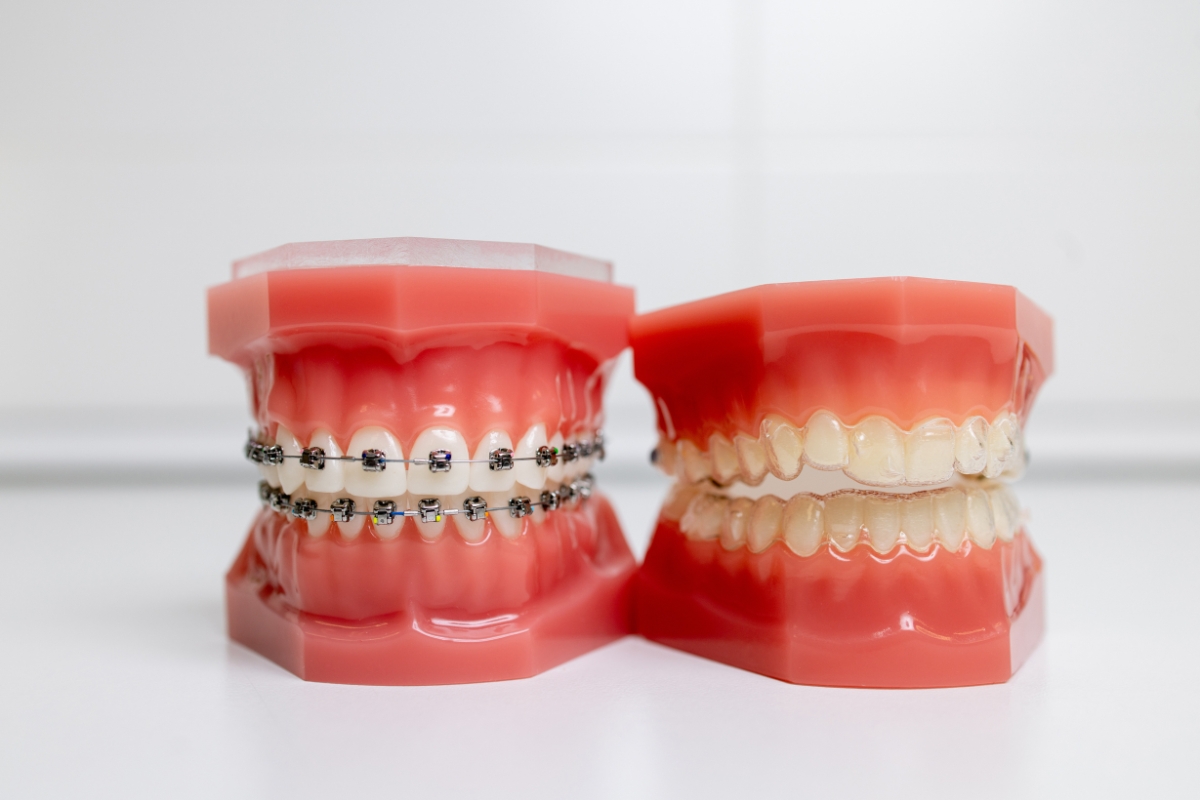
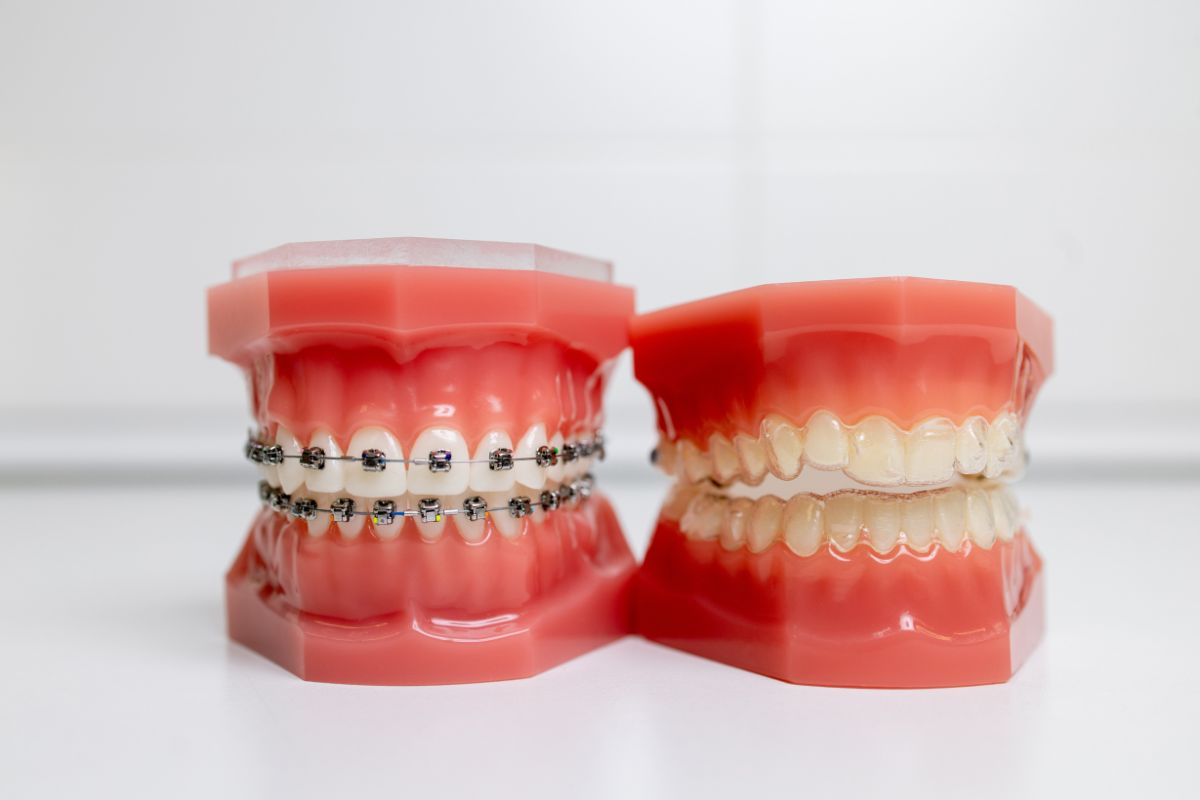
Invisalign treatment involves wearing a series of clear, removable aligners that gradually move the teeth into their desired positions. Each set of aligners is worn for about two weeks before being replaced with the next set in the series.
How Invisalign Can Help
Invisalign, known for straightening teeth discreetly with clear aligners, can also play a role in treating TMJ. Here’s how:
- Aligning Teeth: Misaligned teeth can contribute to TMJ symptoms by putting stress on the jaw joint. Invisalign aligners gradually move teeth into their proper position, which can alleviate some of this stress and improve jaw alignment.
- Reducing Teeth Grinding: Many TMJ sufferers grind their teeth (bruxism), especially at night. Invisalign aligners provide a protective barrier between the teeth, which can reduce the effects of grinding and clenching, thereby easing TMJ symptoms.
- Improving Bite: Invisalign treatment includes improving your bite alignment. A proper bite can help distribute the forces of chewing more evenly across the teeth and jaw joints, reducing strain and discomfort associated with TMJ.
Considerations for TMJ Patients
However, it’s essential for TMJ patients considering Invisalign to consult with an orthodontist experienced in treating TMJ disorders. They can evaluate your specific condition and determine if Invisalign is suitable for you. In some cases, additional treatments or modifications may be recommended to address TMJ symptoms alongside orthodontic treatment.
Treatment Options for TMJ Alongside Invisalign
When TMJ symptoms are a concern, your orthodontist may recommend various treatment options to manage and alleviate discomfort:
1. Customized Treatment Plans
Orthodontists specializing in both Invisalign and TMJ can create customized treatment plans that address both orthodontic needs and TMJ symptoms. This may involve adjustments to the Invisalign treatment plan or incorporating therapies to relieve TMJ pain.
2. Orthodontic Appliances
In some cases, orthodontic appliances such as night guards or splints may be recommended to help alleviate TMJ symptoms. These devices can help reduce teeth grinding and jaw clenching, which are common contributors to TMJ disorder.
3. Lifestyle Modifications
Simple lifestyle changes can also support TMJ management. This includes practicing relaxation techniques to reduce jaw tension, avoiding hard or chewy foods that strain the jaw, and maintaining good posture to minimize strain on the neck and jaw muscles.
4. Physical Therapy
Physical therapy exercises and techniques may be beneficial for strengthening jaw muscles, improving jaw mobility, and reducing TMJ-related pain.
Tips for TMJ Patients Considering Invisalign
If you have TMJ disorder and are considering Invisalign treatment, here are some tips to keep in mind:
- Consultation: Schedule a consultation with an orthodontist who understands both Invisalign and TMJ disorders.
- Communication: Clearly communicate your TMJ symptoms and concerns during the consultation. Your orthodontist can tailor the treatment plan to minimize any potential aggravation of TMJ symptoms.
- Monitoring: Regular follow-up appointments are crucial to monitor your progress and ensure that both your orthodontic treatment and TMJ management are on track.
In Summary
Invisalign offers a versatile and effective orthodontic treatment option for many individuals, including those with TMJ disorders. By understanding the connection between Invisalign and TMJ and exploring appropriate treatment options, you can make informed decisions about your dental and orthodontic care. At Spearmint Dental, our Wichita Falls orthodontist is dedicated to providing comprehensive care tailored to your individual needs. Whether you are seeking TMJ management of considering invisalign in Wichita Falls , we are here to support you on your journey to a healthier, more comfortable smile.
For more information or to schedule a consultation, contact us today. Let us help you achieve the smile you deserve, with care and expertise in both Invisalign and TMJ treatment.