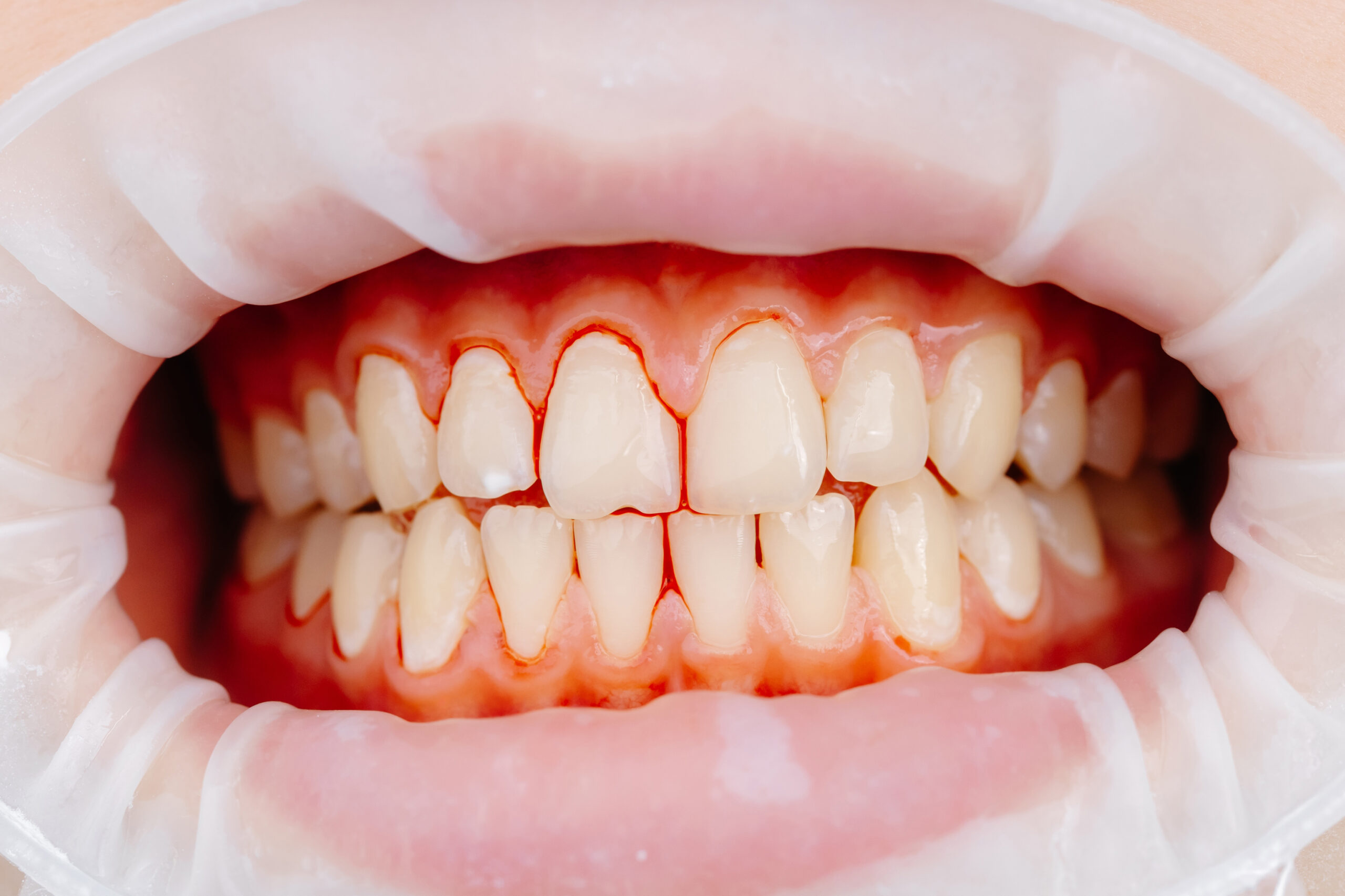
Tooth extraction is a common dental procedure that many people undergo for various reasons, including tooth decay, infection, or overcrowding. While the procedure itself is straightforward, the recovery can sometimes come with unexpected side effects, such as ear pain. In this blog, we will explore why you might experience ear pain after a tooth extraction, what it means, and how to manage it effectively.
Connection Between Teeth and Ears
Before diving into the specifics of ear pain post-extraction, it’s essential to understand the connection between your teeth and ears. The structures of the mouth, jaw, and ears are closely linked through a network of nerves. One of the primary nerves involved is the trigeminal nerve, which branches into several parts of the face, including the teeth, jaw, and ears. This interconnectedness means that pain in one area can often be felt in another, a phenomenon known as referred pain.
Causes of Ear Pain After Tooth Extraction
1. Referred Pain
Referred pain is one of the most common reasons for ear pain after a tooth extraction. The trauma from the extraction site can stimulate the trigeminal nerve, causing pain to be felt in the ear. This type of pain is usually temporary and subsides as the extraction site heals.
2. Dry Socket
A dry socket occurs when the blood clot that forms in the extraction site is dislodged or dissolves before the wound has fully healed. This condition can expose the underlying bone and nerves, leading to intense pain that can radiate to the ear. Dry socket is more common after the removal of lower molars and can be quite painful.
3. Infection
Infections can develop in the extraction site if proper care is not taken during the healing process. Signs of infection include swelling, redness, fever, and persistent pain that may extend to the ear. An infected extraction site requires prompt dental attention to prevent further complications.
4. Jaw Muscle Soreness
After a tooth extraction, especially if it was a difficult procedure, the muscles around the jaw can become sore. This soreness can extend to the ear area, causing discomfort. This type of pain typically resolves with time and proper care.
5. Sinus Issues
For upper teeth, particularly the molars, the roots are located near the sinus cavities. An extraction in this area can sometimes affect the sinuses, leading to discomfort or pain that can be felt in the ear.
Managing Ear Pain After Tooth Extraction
Experiencing ear pain after a tooth extraction can be concerning, but there are several ways to manage and alleviate the discomfort.
1. Pain Relief Medication
Over-the-counter pain relievers, such as ibuprofen or acetaminophen, can help manage the pain. These medications not only alleviate pain but also reduce inflammation, which can be beneficial during the healing process. Be sure to follow the recommended dosage instructions or consult your dentist for guidance.
2. Cold Compress
Applying a cold compress to the side of your face can help reduce swelling and numb the area, providing relief from pain. Use the cold compress for 15-20 minutes at a time, with intervals in between, especially within the first 24-48 hours after the extraction.
3. Maintain Oral Hygiene
Keeping the extraction site clean is crucial to prevent infection and promote healing. Gently rinse your mouth with a saltwater solution several times a day, starting 24 hours after the extraction. Avoid vigorous rinsing or spitting, as this can dislodge the blood clot.
4. Avoid Certain Activities
Refrain from smoking, using straws, or engaging in activities that create suction in the mouth, as these can disrupt the healing process and increase the risk of dry socket. Stick to soft foods and avoid hard, crunchy, or sticky foods that could irritate the extraction site.
5. Rest and Hydrate
Rest is essential for recovery. Take it easy for the first few days after your extraction and avoid strenuous activities. Staying well-hydrated also supports the healing process, so drink plenty of water.
When to Contact Your Dentist
While some level of discomfort is normal after a tooth extraction, certain signs indicate that you should contact your dentist:
- Severe or worsening pain: If the pain does not improve or intensifies, it could be a sign of a complication such as dry socket or infection.
- Fever: A fever could indicate an infection that needs prompt treatment.
- Persistent swelling or discharge: Ongoing swelling or discharge from the extraction site could also suggest an infection.
- Difficulty swallowing or breathing: These symptoms require immediate medical attention.
Your dentist in Wichita Falls will be able to evaluate your symptoms and provide the necessary treatment to ensure proper healing and pain relief.
Preventing Complications
Preventing complications after a tooth extraction can help you avoid unnecessary pain and ensure a smoother recovery process. Here are some preventive measures to consider:
1. Follow Post-Extraction Instructions
Your dentist will provide specific instructions on how to care for your extraction site. Following these instructions carefully is crucial to prevent complications. These guidelines may include how to clean the area, what to eat, and what activities to avoid.
2. Avoid Tobacco and Alcohol
Tobacco and alcohol can interfere with the healing process and increase the risk of complications such as dry socket and infection. Avoid these substances for at least a week after your extraction, or longer if advised by your dentist.
3. Maintain Good Oral Hygiene
Even though you need to be gentle around the extraction site, maintaining overall oral hygiene is still important. Brush your teeth carefully, avoiding the extraction area, and continue to floss regularly.
4. Stay Hydrated and Eat Soft Foods
Drinking plenty of water and eating soft, nutritious foods can support healing. Foods like yogurt, mashed potatoes, applesauce, and smoothies are good options during the initial recovery period.
Conclusion
Experiencing ear pain after a tooth extraction can be uncomfortable, but understanding the possible causes and knowing how to manage it can help ease your concerns. Whether it’s referred pain, dry socket, or an infection, there are effective ways to address the discomfort and ensure a smooth recovery.
At Spearmint Dental in Wichita Falls, TX, we are dedicated to providing comprehensive care and support for all your dental needs. If you have concerns about your recovery or need further assistance, don’t hesitate to contact us. Our team is here to help you achieve a healthy, pain-free smile. Call us today to schedule an appointment and receive the quality dental care you deserve.