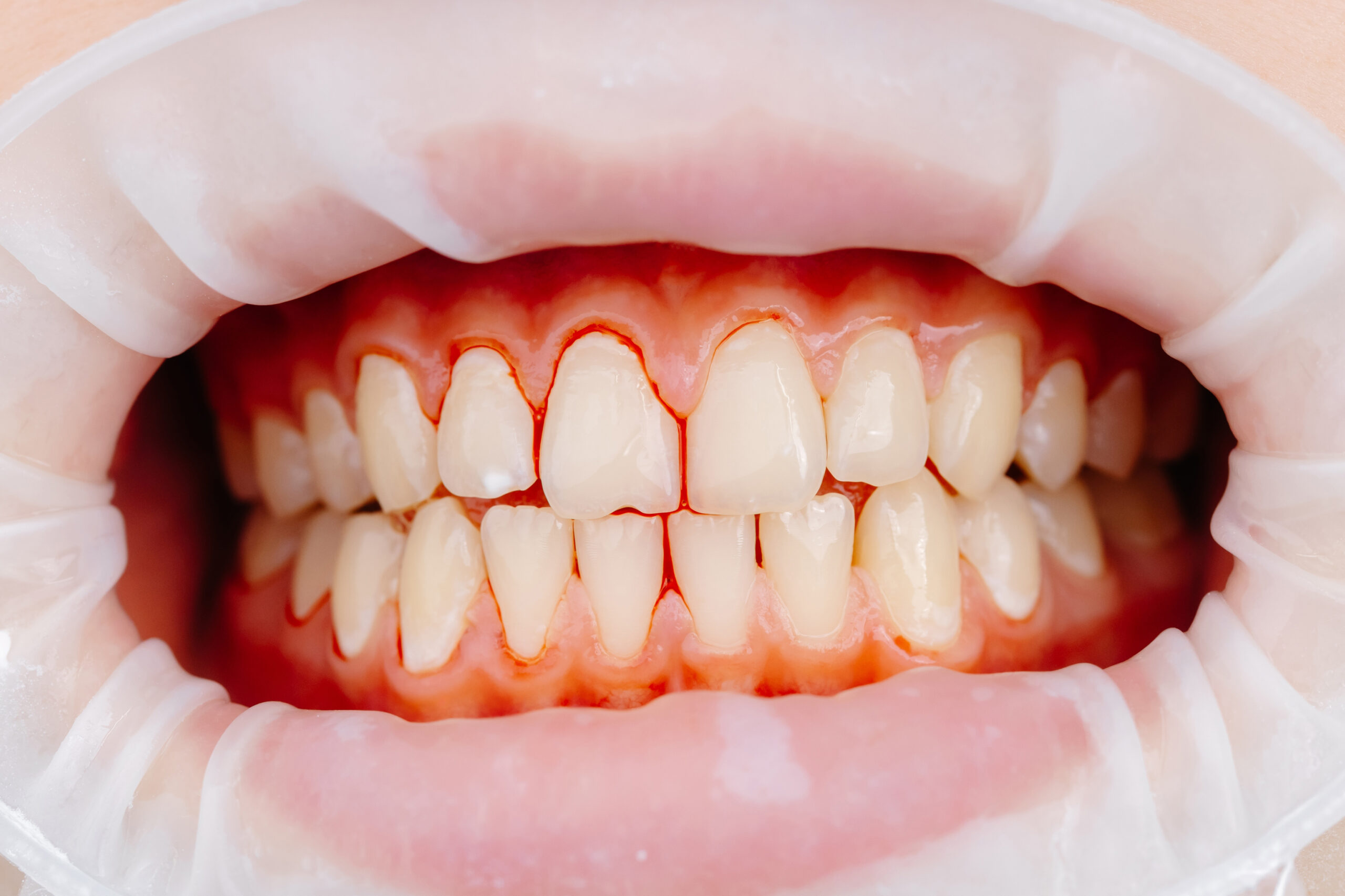
It’s a common moment many people notice at home—while brushing or flossing, there’s a hint of pink in the sink. For some, it happens occasionally and feels easy to ignore. For others, it becomes a recurring concern that raises quiet questions: Is this normal? Does it need attention?
In conversations with patients seeking care from a local dentist in the Princeton area, this is one of the most frequent early signs discussed. Bleeding gums are often the body’s way of signaling that something isn’t quite balanced in your oral health routine. Understanding what causes it—and how to respond—can help you protect your smile in a simple, proactive way.
What Does It Mean When Your Gums Bleed?
Healthy gums typically don’t bleed during brushing or flossing. When bleeding does occur, it’s often linked to inflammation along the gumline.
In the early stages, this may be mild and reversible. Gums can become irritated when plaque—a soft film of bacteria—builds up and isn’t removed consistently. Over time, this irritation can lead to more noticeable symptoms if not addressed.
Bleeding doesn’t always indicate a serious issue, but it’s rarely something to ignore. It’s best understood as an early signal rather than a normal part of daily oral care.
Common Causes of Bleeding Gums
There are several reasons gums may begin to bleed, many of which are related to everyday habits:
- Plaque buildup and gingivitis: The most common cause, where bacteria irritate the gums
- Inconsistent brushing or flossing: Gums may react when routines are irregular
- Brushing too aggressively: Using too much pressure or a hard-bristled brush can damage gum tissue
- Hormonal changes: Pregnancy or hormonal shifts can make gums more sensitive
- Certain medications: Some medications may increase bleeding tendencies
- Vitamin deficiencies: Low levels of vitamins like C or K can affect gum health
In many cases, these causes are manageable with small, consistent changes.
Signs and Symptoms to Watch For
Bleeding is often just one part of a broader pattern. Other signs may include:
- Red or swollen gums
- Tenderness while brushing
- Persistent or frequent bleeding
- Ongoing bad breath
- Early gum recession (gums pulling slightly away from teeth)
Noticing these symptoms early allows for simpler, more conservative care.
When Bleeding Gums May Indicate Gum Disease
In its earliest stage, gum disease is known as gingivitis. At this point, inflammation is limited to the gums and can usually be reversed with proper care.
If left untreated, it may progress to periodontitis, where deeper structures supporting the teeth are affected. This stage can lead to more complex concerns over time.
The key difference lies in timing. Early attention often prevents the need for more involved treatment later, making routine check-ins an important part of long-term oral health.
How Dentists Treat Bleeding Gums
Treatment depends on the underlying cause, but most approaches focus on reducing inflammation and restoring balance.
Common care may include:
- Professional cleanings: Removing plaque and tartar buildup
- Deep cleaning (scaling and root planing): A more thorough cleaning below the gumline when needed
- Personalized home care guidance: Adjusting brushing and flossing techniques
- Ongoing monitoring: Tracking gum health over time
The goal is not just to stop the bleeding, but to create a healthier environment for your gums to recover and stay stable.
At-Home Care That Supports Healthy Gums
Daily habits play a major role in gum health. Small adjustments can make a meaningful difference:
- Use a soft-bristled toothbrush and gentle pressure
- Maintain consistent flossing, even if gums feel sensitive at first
- Consider antibacterial rinses when recommended
- Keep up with routine dental visits for preventive care
Over time, healthy gums typically become less sensitive and more resilient.
How a Dentist Evaluates Gum Health
When evaluating gum health, the process is straightforward and focused on understanding your individual needs.
This may include:
- Reviewing your symptoms and daily habits
- Measuring gum pocket depths around each tooth
- Checking for signs of inflammation or infection
- Identifying whether the condition is early or more advanced
- Creating a preventive plan tailored to your routine
This approach helps ensure that care remains conservative whenever possible, while still addressing concerns effectively.
A Thoughtful Approach to Gum Health
If you’ve noticed bleeding gums, it can be helpful to view it as an opportunity to better understand your oral health rather than something to worry about.
For many individuals and families balancing work, school, and daily routines in Princeton and nearby areas like McKinney, taking time for preventive care can feel easy to postpone. However, early conversations often lead to simpler solutions.
If you’re considering taking the next step, you can request an appointment to have your concerns evaluated and better understand what your gums may need moving forward. A routine check can provide clarity, reassurance, and practical guidance tailored to your needs.
FAQs
Is it normal for gums to bleed when brushing?
Occasional sensitivity can happen, but regular bleeding is usually a sign of irritation or inflammation that should be evaluated.
Can bleeding gums go away on their own?
In some cases, improving brushing and flossing habits may reduce bleeding. However, persistent symptoms often benefit from professional care.
Are bleeding gums always a sign of gum disease?
Not always, but they are commonly linked to early gum inflammation. A proper evaluation helps determine the exact cause.
What is the fastest way to improve gum health?
Consistent daily care—gentle brushing, regular flossing, and professional cleanings—typically leads to noticeable improvement over time.
How often should gums be checked by a dentist?
Most patients benefit from routine visits every six months, though frequency may vary based on individual gum health needs.