You brush your teeth every morning and night, maybe even rinse with mouthwash, but that lingering bad breath still doesn’t go away. It’s something we hear often from patients—parents noticing it in their kids before school, college students heading to class at Midwestern State University, or adults preparing for a busy workday in Wichita Falls. It can feel frustrating and even a little embarrassing.
If you’ve ever wondered why this happens, you’re not alone. Many people visiting a dentist in Wichita falls share the same concern, and the answer is usually more about what’s happening beyond just brushing.
Why Bad Breath Can Persist Even After Brushing
Brushing is an essential part of oral hygiene, but it mainly cleans the surfaces of your teeth. Bad breath, or halitosis, often comes from areas your toothbrush doesn’t fully reach—like your tongue, between your teeth, or even below the gumline.
In many cases, it’s not about brushing more, but about brushing smarter and supporting it with a complete routine. This includes flossing, cleaning your tongue, and staying hydrated throughout the day.
Common Causes of Persistent Bad Breath
There are several everyday reasons why bad breath can stick around:
- Bacteria on the tongue: The tongue can hold odor-causing bacteria, especially toward the back.
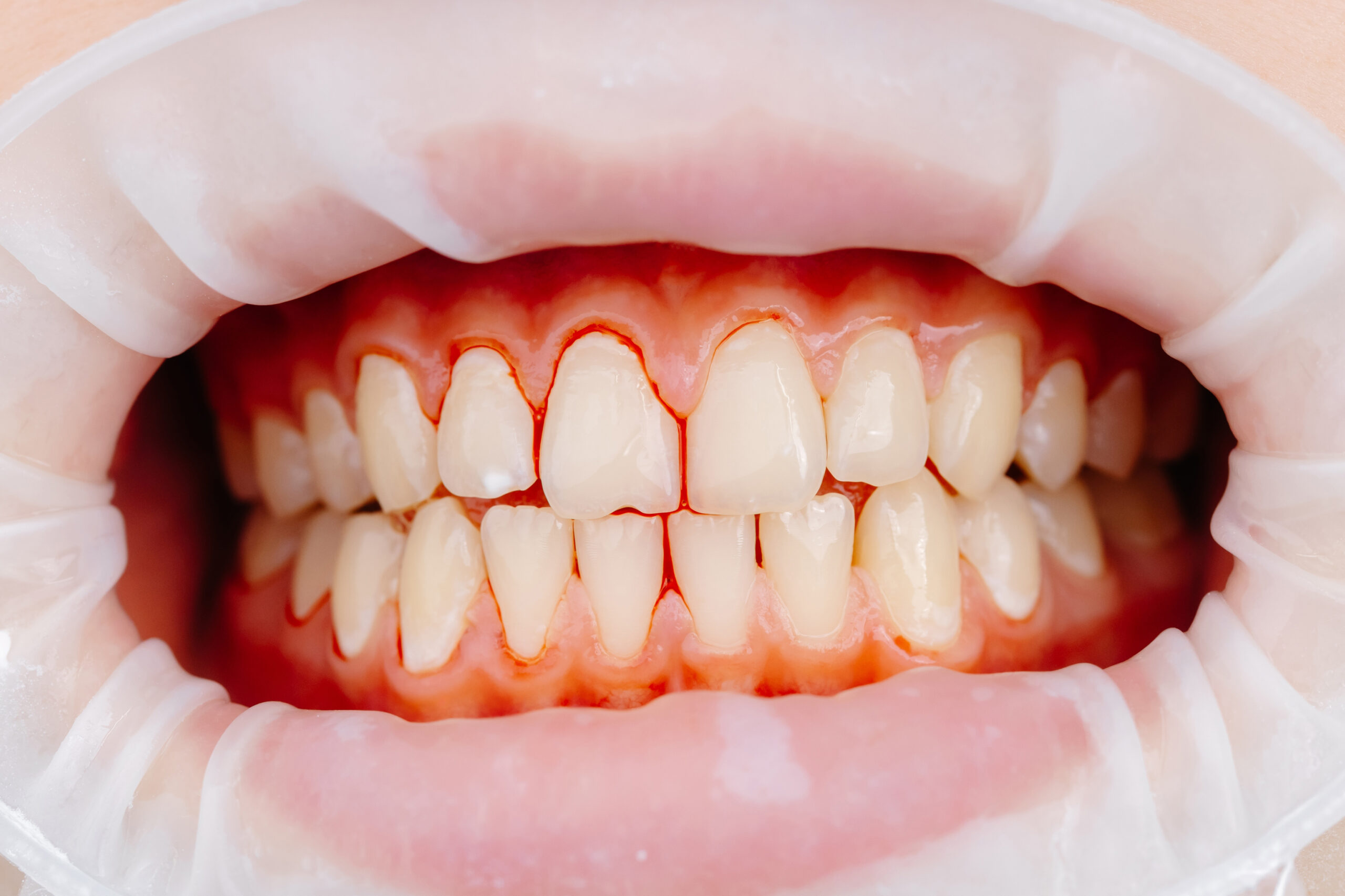
- Gum disease: Early gum inflammation or infection can produce a noticeable odor.
- Food debris: Small particles trapped between teeth can break down and cause smell.
- Dry mouth: Saliva helps wash away bacteria. When your mouth is dry, odors can build up.
- Inconsistent flossing: Brushing alone doesn’t remove debris between teeth.
For families in the Wichita Falls area, these are some of the most common issues we see during routine visits.
How Your Daily Habits May Be Contributing
Sometimes, the cause of bad breath is tied to daily habits rather than a dental condition.
- Skipping flossing: Even occasional gaps in flossing can allow buildup.
- Not cleaning your tongue: This is one of the most overlooked steps in oral care.
- Dehydration: Busy schedules can make it easy to forget to drink enough water.
- Diet choices: Coffee, garlic, onions, and sugary snacks can all contribute to odor.
Students and working adults in Wichita Falls often notice that long days without hydration or regular meals can make breath worse by the evening.
Medical & Hidden Causes of Bad Breath
In some cases, bad breath isn’t just about oral hygiene—it may be linked to other health factors:
- Sinus infections: Post-nasal drip can create an unpleasant smell.
- Acid reflux: Stomach acids can affect breath over time.
- Tonsil stones: Small debris trapped in the tonsils can produce odor.
- Medications: Some prescriptions reduce saliva, leading to dry mouth.
If brushing and flossing consistently don’t solve the issue, it’s worth exploring whether something deeper may be contributing.
How Bad Breath Affects Confidence and Oral Health
Bad breath isn’t just a physical concern—it can impact how people feel in everyday interactions. Whether it’s talking in close conversations, attending school, or meeting with colleagues, it can quietly affect confidence.
From a dental perspective, persistent bad breath can also be an early sign of underlying issues like gum disease or bacterial imbalance. Addressing it early helps protect both your oral health and overall well-being.
How Dentists Identify and Treat the Root Cause
When patients come in with concerns about bad breath, the goal is to understand the full picture—not just the symptom.
A typical approach includes:
- Reviewing medical and dental history: This helps identify patterns or contributing factors.
- Examining gums and teeth: Checking for signs of gum disease or decay.
- Assessing the tongue and saliva flow: Looking for buildup or dryness.
- Discussing daily habits: Understanding brushing, flossing, and hydration routines.
Based on what’s found, recommendations may include adjustments to home care, hydration habits, or further evaluation if needed. The focus is always on prevention and long-term comfort.
When to Take the Next Step
If bad breath continues despite consistent brushing and flossing, it may be time to take a closer look. Open communication about your symptoms—no matter how small they seem—can make a meaningful difference in identifying the cause.
If you’d like to talk through your concerns or get a better understanding of what might be causing persistent bad breath, you can visit our Wichita Falls dental office and schedule a visit at a time that fits your routine.
FAQs
Why does my breath still smell after brushing?
Brushing alone may not remove bacteria on the tongue or between teeth. A more complete routine, including flossing and tongue cleaning, is often needed.
Can bad breath be a sign of gum disease?
Yes, persistent bad breath can be an early sign of gum inflammation or infection and should be evaluated.
Should I clean my tongue daily?
Yes, cleaning your tongue helps remove bacteria that brushing alone may miss and can significantly improve breath.
Can dry mouth cause bad breath?
Absolutely. Saliva helps wash away odor-causing bacteria, so a dry mouth can lead to stronger or more persistent bad breath.
When should I see a dentist for bad breath?
If bad breath continues despite good oral hygiene, or if it’s accompanied by symptoms like bleeding gums or dry mouth, it’s a good idea to have it checked.