Waking up with a bitter or metallic taste in your mouth can feel unsettling. Some people notice it first thing in the morning. Others become aware of it after brushing their teeth or during a long workday. You might wonder whether it’s something minor, related to stress or dry mouth, or if it signals a deeper issue. For busy parents managing school mornings, Midwestern State University students juggling exams, or families stationed at Sheppard Air Force Base balancing unpredictable schedules, unexpected symptoms like this can quickly become another concern on an already full plate.
This is a common concern for families in Wichita Falls.
Many people begin by searching for a dentist in Wichita Falls when a bitter taste doesn’t fade after a few days. In many cases, a thorough evaluation combined with comprehensive dental care can help determine whether the cause is oral, medical, or simply lifestyle-related. The key is not to assume — but to assess carefully and conservatively.
Common Causes of a Bitter Taste in the Mouth
A persistent unpleasant taste can develop for several reasons. Some are dental in origin, while others are related to overall health.
Dry Mouth
Saliva helps wash away bacteria and food debris. When saliva flow decreases — often due to dehydration, stress, medications, or mouth breathing — bacteria can accumulate. This can create a sour or bitter sensation. Many working professionals and students experience dry mouth during stressful periods or long days without adequate hydration.
Gum Infection
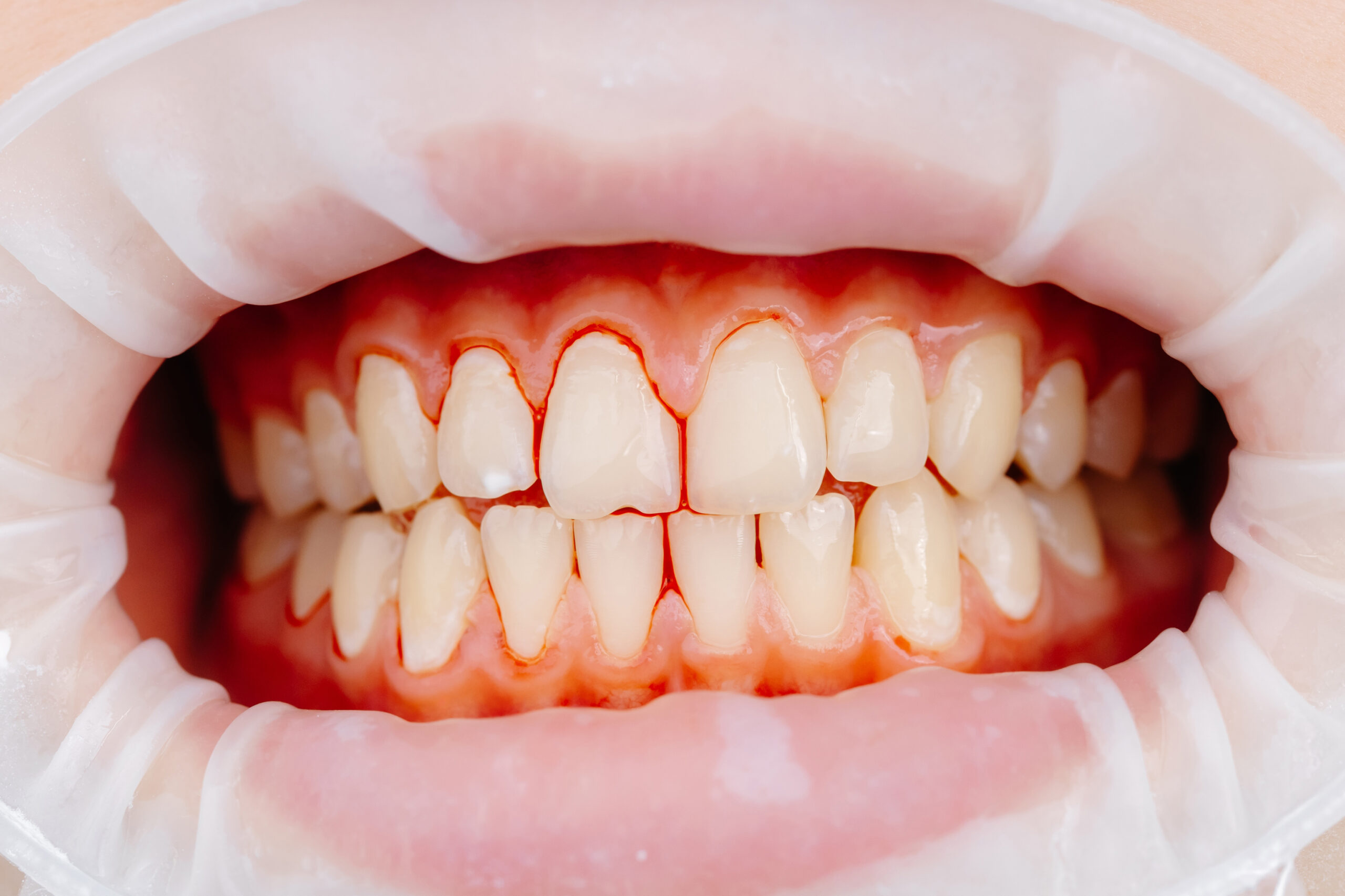
Inflamed or infected gums can release byproducts that alter taste. If plaque buildup leads to gingivitis or early gum disease, you may notice a persistent unpleasant flavor alongside mild bleeding or gum tenderness.
Tooth Infection
A deeper infection inside a tooth can sometimes cause a metallic or bitter taste, especially if drainage occurs. This often accompanies sensitivity, discomfort when chewing, or swelling — but not always.
Acid Reflux
Stomach acid traveling upward into the esophagus can reach the mouth, creating a bitter taste. This is common in individuals with GERD and may be more noticeable at night or after meals.
Medication Side Effects
Certain antibiotics, antihistamines, blood pressure medications, and antidepressants are known to alter taste perception. The effect is usually temporary but can be bothersome.
Hormonal Changes
Pregnancy and hormonal shifts can temporarily affect taste sensation, sometimes producing a metallic flavor.
When It’s Likely a Dental Issue
While not every bitter taste originates in the mouth, certain signs suggest an oral cause:
- Bleeding or swollen gums
- Persistent bad breath
- Tooth sensitivity
- A localized metallic taste near one area of the mouth
When symptoms are isolated to the teeth or gums, dental evaluation becomes especially important. Many infections begin quietly and are easier to manage when identified early.
When It May Be Medical (Not Just Dental)
Sometimes the mouth reflects what’s happening elsewhere in the body.
- GERD or acid reflux can repeatedly expose the mouth to acid.
- Sinus infections may alter taste due to postnasal drainage.
- Nutritional deficiencies, particularly zinc or vitamin B12, can influence taste perception.
- Chronic stress may indirectly contribute through dry mouth or reflux triggers.
In these cases, coordination between a dental provider and your primary care physician ensures nothing is overlooked.
An Experienced Dentist’s Perspective
When evaluating symptoms like this, education always comes first. Rather than jumping straight to treatment, we begin by asking thoughtful questions: When did it start? Is it constant or intermittent? Have there been any recent changes in medications, diet, or stress levels?

In conversations with patients, our Wichita Falls dentist, Dr. James Garrett, often explains that taste changes are rarely random. They typically reflect something happening in the mouth or body. With his experience assessing infections, inflammation, and overall oral health changes, the first step is determining whether the source is dental in origin. A careful, thorough exam helps distinguish between harmless temporary dryness and something that requires attention, such as early gum disease or a developing tooth infection.
This approach remains conservative. If the mouth appears healthy, we thoughtfully look beyond it — reviewing medications, discussing possible reflux symptoms, and considering daily habits or lifestyle patterns. The goal is clarity and understanding, not overtreatment.
How Dentists Evaluate the Cause
A structured evaluation helps narrow possibilities:
- Visual examination of gums and teeth to check for infection or inflammation
- Assessment of saliva flow and dryness
- Review of current medications
- Discussion of diet and hydration habits
- Evaluation of any pain, swelling, or sensitivity
For many patients, especially those balancing demanding schedules or caring for families, reassurance comes from simply understanding what is — and isn’t — happening.
When to Schedule an Exam
Not every bitter taste requires urgent care. However, an evaluation is appropriate if:
- The taste lasts more than a few days
- You experience gum swelling or bleeding
- There is tooth pain or sensitivity
- You notice facial swelling
- The taste change occurs suddenly without explanation
Even during busy seasons — whether it’s back-to-school time, military relocations, or exam weeks — taking a proactive step can prevent small issues from becoming larger ones.
A Thoughtful Next Step
If a persistent bitter taste has been bothering you, a calm, comprehensive evaluation can provide clarity. Rather than guessing or self-diagnosing, professional guidance allows you to better understand what may be causing the change and determine whether it requires attention.
If you feel ready to move forward, you can request an appointment at a time that works with your schedule. The purpose isn’t urgency — it’s peace of mind, careful evaluation, and informed care.
Frequently Asked Questions
1. Can dehydration cause a bitter taste?
Yes. When you’re dehydrated, saliva production decreases. This allows bacteria to linger longer in the mouth, which can create an unpleasant or bitter flavor.
2. Does gum disease affect taste?
It can. Inflammation and bacterial buildup associated with gum disease may alter taste perception, particularly if infection is present.
3. Can stress change how my mouth tastes?
Indirectly, yes. Stress can contribute to dry mouth, acid reflux, or changes in routine that influence oral health.
4. Is a bitter taste always serious?
Not usually. Many cases are temporary and related to dryness or medications. However, persistent symptoms deserve evaluation to rule out infection or other causes.
5. Should I see a dentist or medical doctor first?
If you’re unsure, starting with a dental exam can help determine whether the cause is oral. If no dental issue is found, your provider may recommend speaking with your physician for further evaluation.