Receding gums are a common dental concern that can impact oral health and influence the success of dental treatments, including implants. At Spearmint Dental and Orthodontics, we often encounter patients wondering if gum recession could interfere with their ability to receive dental implants. Understanding the connection between gum health and implant success is essential to making informed decisions about your dental care.
What Are Receding Gums?
Receding gums occur when the gum tissue surrounding your teeth begins to pull back or wear away, exposing more of the tooth or its root. This condition can result from various factors, such as:
- Periodontal (gum) disease: Infections caused by plaque and tartar buildup.
- Aggressive brushing: Using too much force when brushing your teeth.
- Genetics: A family history of gum recession.
- Teeth grinding or clenching: Excessive pressure on teeth.
- Tobacco use: Smoking or chewing tobacco can harm gum health.
Receding gums can lead to increased tooth sensitivity, aesthetic concerns, and a higher risk of tooth loss if left untreated.
How Do Receding Gums Impact Dental Implants?
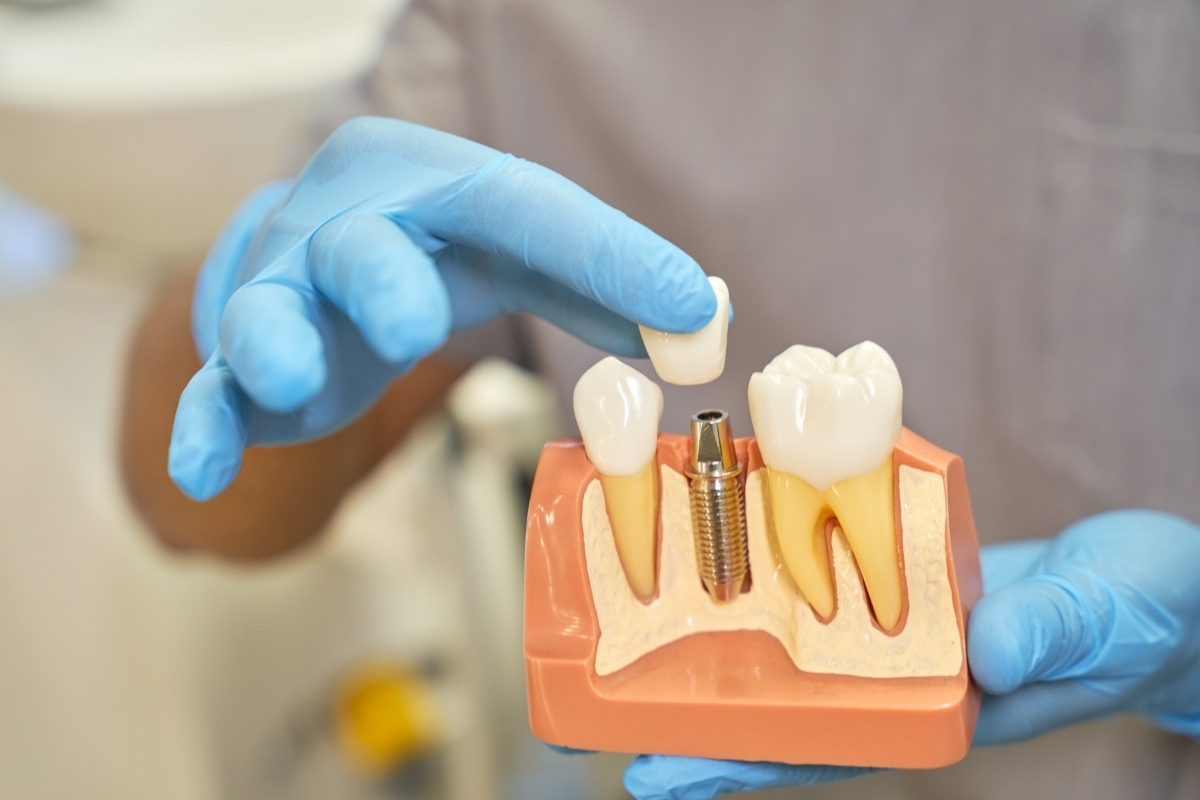
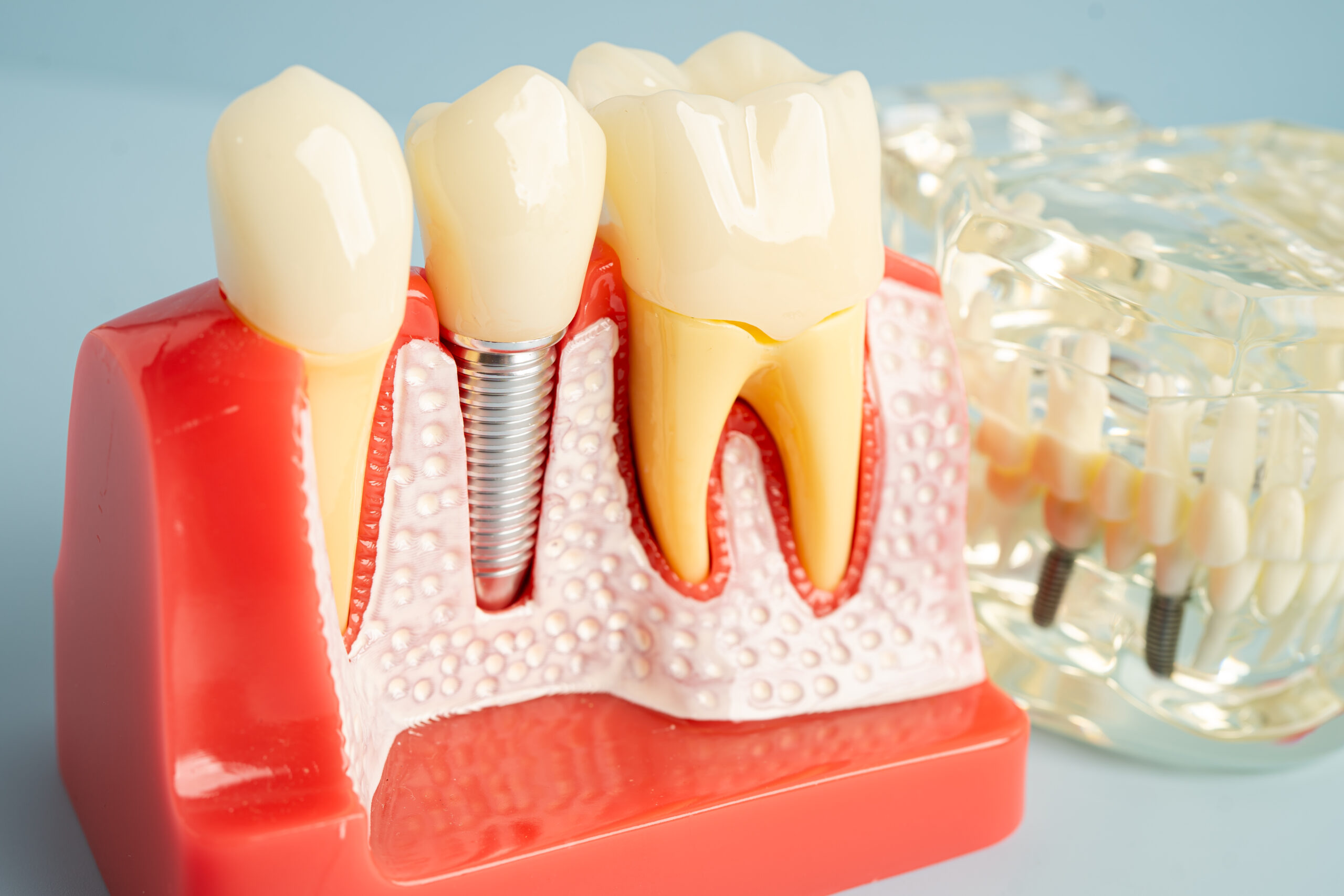
Dental implants rely on a sturdy foundation of healthy gums and adequate bone density. Receding gums can pose challenges in the following ways:
1. Insufficient Gum Tissue
Receding gums reduce the amount of soft tissue available to surround and support the dental implant. This can affect both the stability of the implant and its natural appearance.
2. Bone Loss
Receding gums often accompany bone loss, especially in cases of advanced gum disease. Since dental implants are anchored into the jawbone, a lack of sufficient bone can hinder their placement and long-term success.
3. Increased Risk of Infection
Exposed tooth roots and compromised gum health increase the risk of bacterial infection, which can lead to peri-implantitis—a condition that affects the tissues surrounding an implant and can result in implant failure.
Can You Still Get Dental Implants with Receding Gums?
The good news is that having receding gums doesn’t automatically disqualify you from receiving dental implants. With the right preparation and care, many patients with gum recession can successfully undergo the procedure. Here’s how:
1. Gum Grafting
A gum graft involves transplanting healthy gum tissue to areas with significant recession. This not only improves gum health but also creates a stable foundation for the implant.
2. Bone Grafting
If bone loss is present, a bone graft may be necessary to rebuild the jawbone and provide adequate support for the implant.
3. Periodontal Treatment
Addressing gum disease or inflammation before implant placement is critical. Scaling and root planing or other periodontal treatments can help restore gum health.
4. Customized Implant Solutions
Advances in dental technology allow for customized implant solutions tailored to each patient’s unique needs. Mini implants or angled implants can sometimes work in cases with reduced bone or gum tissue.
Learn About Your Implants With Us
Begin your journey toward exploring dental implant solutions and achieving your dream smile by scheduling a consultation with us. Our dedicated team is ready to guide you every step of the way, ensuring a personalized treatment plan tailored to your needs.
We look forward to helping you take the next step in restoring your smile and confidence. Contact Spearmint Dental and Orthodontics in Princeton, TX, today at 469-270-5041 to schedule your visit and start your journey toward a healthier, more beautiful smile.