Dental implants are one of the most reliable and long-lasting options for replacing missing teeth. They look natural, function like real teeth, and with proper care, they can last for decades. However, like any medical procedure, implants aren’t entirely risk-free. In rare cases, they can fail.
In this guide, you will learn why implants may fail, what warning signs to watch for, and how you can minimize the risk of failure, especially if you’re considering or already have implants.
When Do Dental Implants Fail?
Dental implant failure refers to a situation where the implant doesn’t properly bond with the jawbone or stops functioning as it should after being placed. This can happen shortly after the procedure or years later.
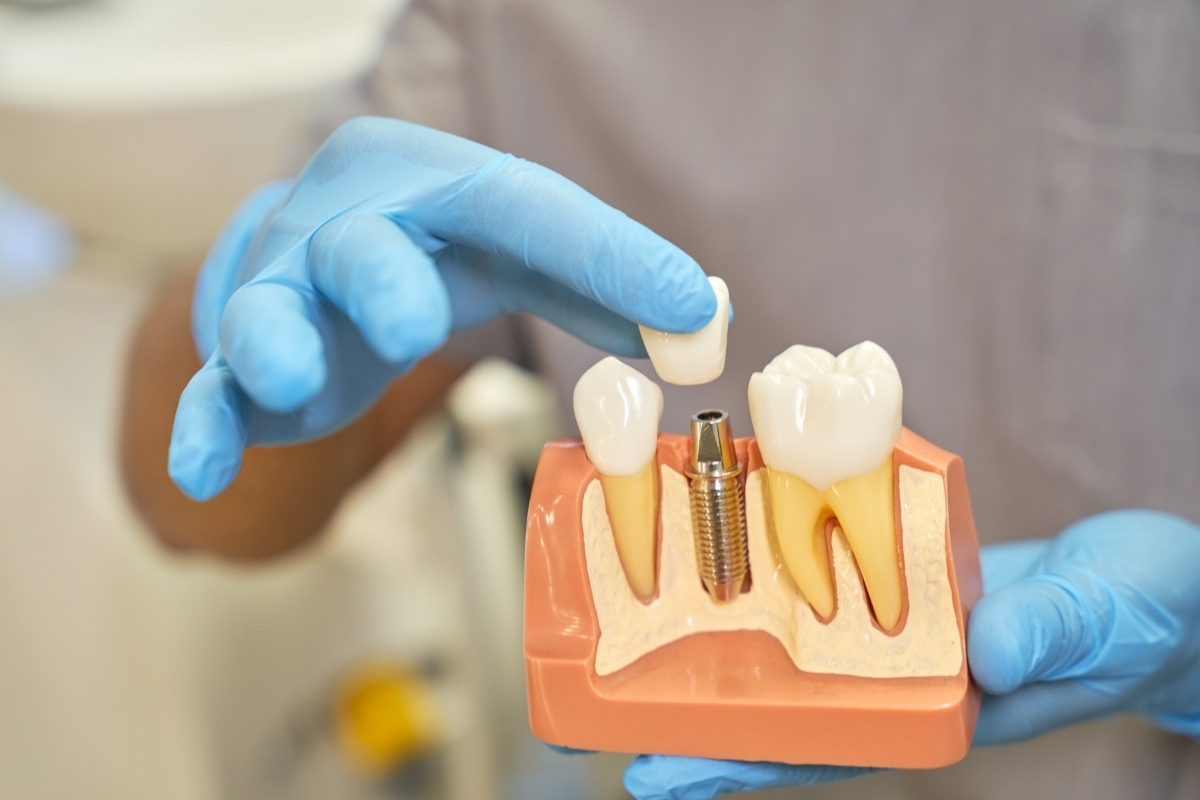
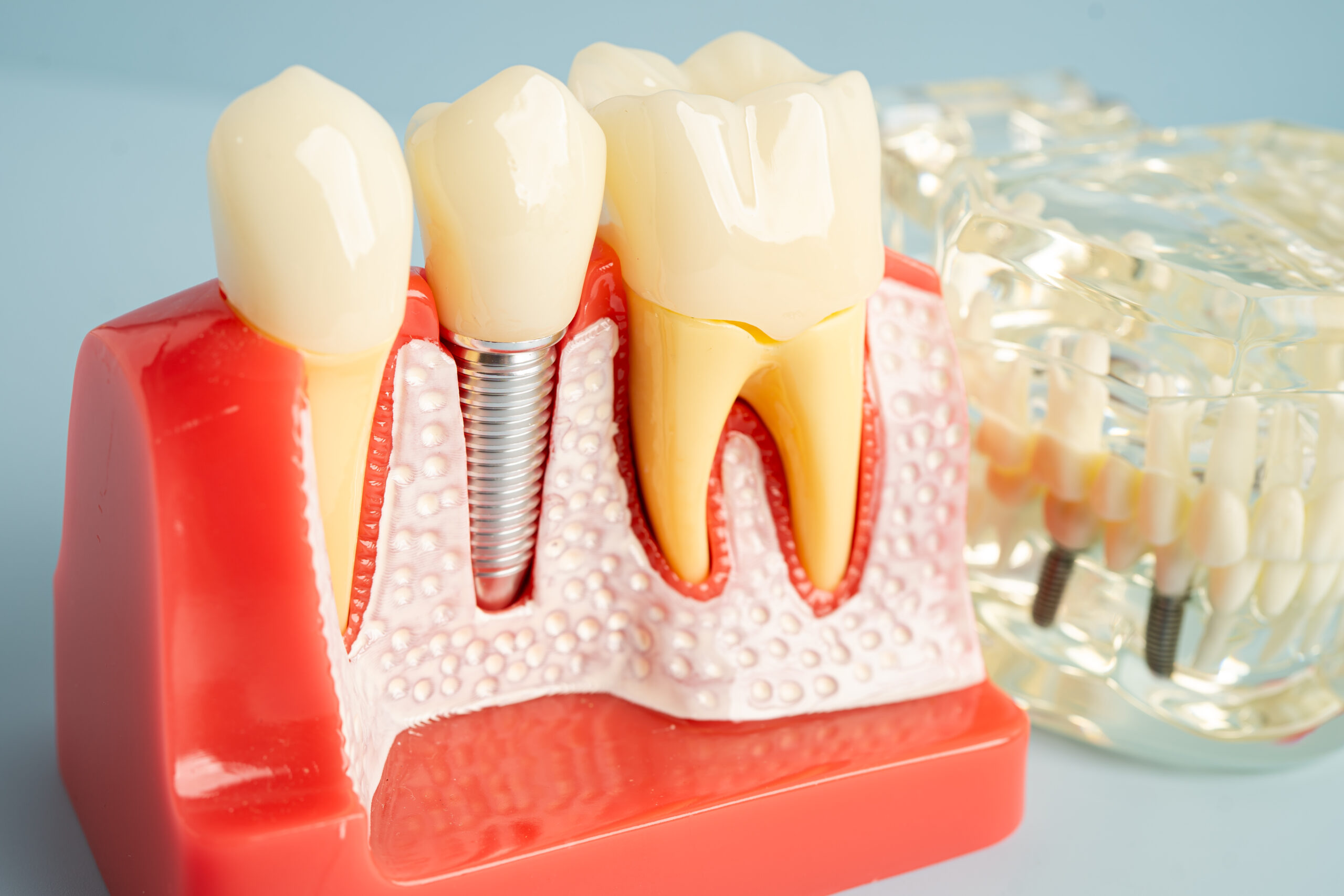
A successful implant becomes part of your jaw through a process called osseointegration. When this doesn’t occur or if the bond becomes unstable later the implant may loosen, shift, or even come out entirely.
Common Causes of Dental Implant Failure
Dental implant failure can happen for different reasons, depending on when the problem occurs. Some causes are related to the body’s healing process, while others may develop over time due to habits or underlying health issues.
Here are some of the most common causes:
1. Poor Osseointegration
This is the most common reason implants fail early. If the bone doesn’t fuse properly with the implant post, the implant can become loose. This may happen due to insufficient bone density, poor surgical technique, or uncontrolled health conditions like diabetes.
2. Infection (Peri-Implantitis)
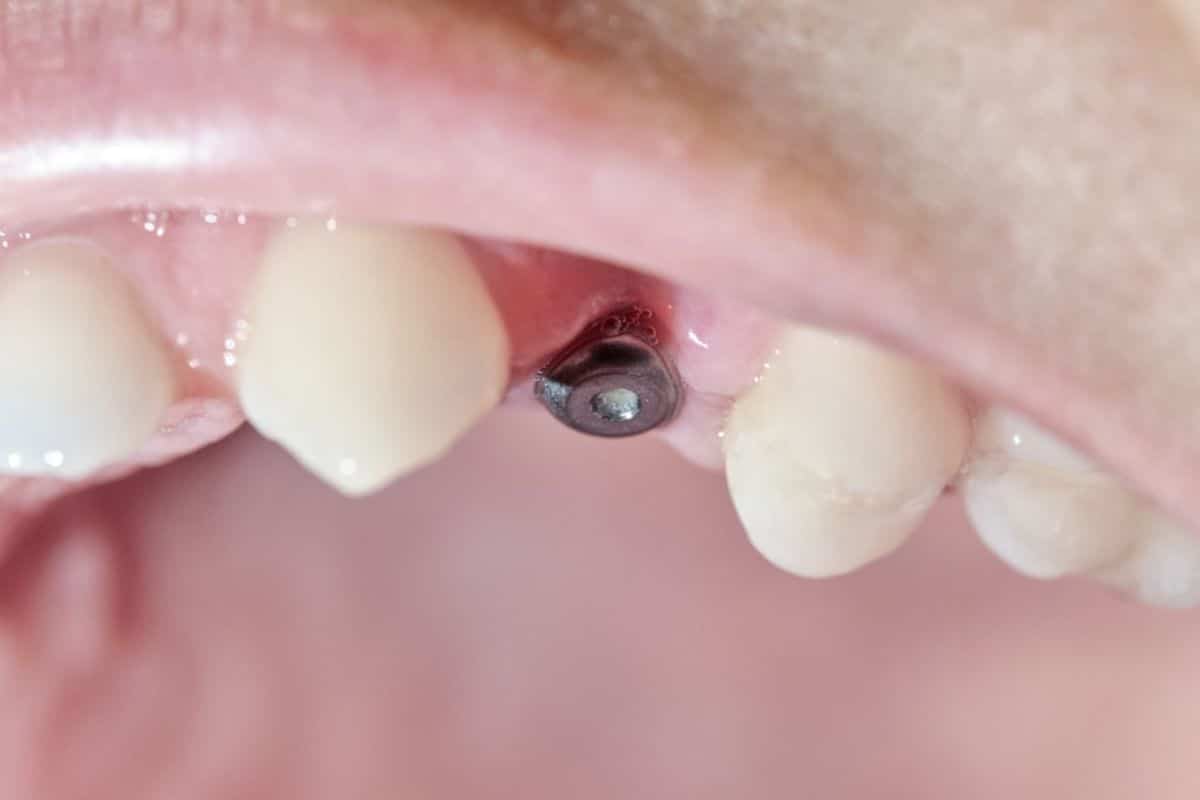
An infection around the implant site can damage the surrounding bone and tissue. Poor oral hygiene, smoking, or a weak immune response can increase the risk of this type of infection.
3. Excessive Force or Pressure
Biting or grinding with too much pressure—especially before the implant has fully healed—can prevent it from stabilizing properly. Long-term, uneven bite force can also lead to failure.
4. Smoking
Smoking limits blood flow and interferes with healing, which can significantly reduce the chances of implant success. It also raises the risk of infection.
5. Pre-Existing Medical Conditions
Certain medical conditions, including uncontrolled diabetes, autoimmune disorders, and osteoporosis, can interfere with the implant procedure by disrupting healing and bone health, which makes implant integration more difficult.
6. Poor Placement or Surgical Errors
Even with today’s advanced tools, implant placement requires skill and precision. If the implant is positioned at an improper angle or depth, it may fail to function properly over time.
Symptoms of Dental Implant Failure

Woman showing symptoms of implant failure
In many cases, early warning signs develop gradually and you may experience:
- Persistent Pain or Discomfort
- Swelling or Redness Around the Implant
- Gum Recession or Changes in the Gum Line
- Loosening of the Implant or Crown
- Difficulty Chewing
- Bad Breath or Unusual Taste
These symptoms don’t always mean the implant has failed, but they do signal the need for a dental evaluation. If you get dental implants to replace missing teeth and are facing any of these problems, contact your dentist as soon as possible.
How Implant Failure Is Treated
When a dental implant shows signs of failure, the treatment approach depends on the cause, how early the problem is caught, and the condition of the surrounding bone and tissue. The goal is always to preserve your oral health and restore function—whether that means saving the implant or replacing it.
1. Addressing Infection
If the issue is due to peri-implantitis (infection around the implant), treatment may involve deep cleaning, antibiotics, and possibly a minor surgical procedure to remove infected tissue. In early stages, this can often stop the infection and preserve the implant.
2. Bone Grafting
In cases where bone loss has occurred, a bone graft may be needed to rebuild the area. This is often required before attempting to place a new implant if the original one was removed.
3. Implant Removal and Replacement
If the implant cannot be saved, it may need to be removed. After the area heals—and if the conditions are right—a new implant can sometimes be placed. The timing of this depends on how much healing or bone regeneration is needed.
4. Adjusting Bite Alignment
If excess bite force or teeth grinding contributed to the failure, your dentist may recommend adjustments or a night guard to prevent future complications with a new implant.
5. Managing Health Conditions First
When underlying health issues like uncontrolled diabetes or smoking are factors, managing those conditions is essential before considering another implant.
How to Lower Your Risk of Implant Failure
While dental implant failure is rare, there are steps you can take to reduce the risk and support long-term success.
Maintain Excellent Oral Hygiene
Brushing and flossing every day helps prevent gum disease and infection around the implant site. Regular professional cleanings are also important.
Avoid Smoking
Smoking interferes with blood flow and healing, which can prevent the implant from fully integrating with the bone. Quitting—especially before and after surgery—can improve your outcome.
Follow Post-Surgery Instructions Carefully
Your dentist will provide guidance on caring for your implant as it heals. Following those instructions—such as avoiding hard foods or taking medications as prescribed—supports successful recovery.
Address Teeth Grinding or Clenching
Excessive pressure from grinding (bruxism) can damage the implant or surrounding bone. If this is a concern, your dentist may recommend a night guard to protect your teeth while you sleep.
Keep Medical Conditions Under Control
Chronic conditions like diabetes or autoimmune diseases don’t automatically rule out implants, but they do need to be well-managed. Keeping your overall health stable helps promote healing and bone support.
Even after your implant is placed, ongoing care matters. A combination of professional guidance and daily attention at home goes a long way in helping your implant last for many years.
Getting the Most Out of Your Dental Implants
Dental implants have a strong track record of success, but it’s still important to understand what can go wrong and how to spot the early signs of trouble. When treated promptly, many implant-related issues can be resolved—and in some cases, the implant can be saved.
If you’re already experiencing symptoms, or if you’re considering implants and want to understand the risks, book an appointment at Spearmint Dental & Orthodontics, to have an open conversation. In both of our Wichita Falls and Princeton offices, we regularly help patients identify and manage implant-related issues that may develop over time.