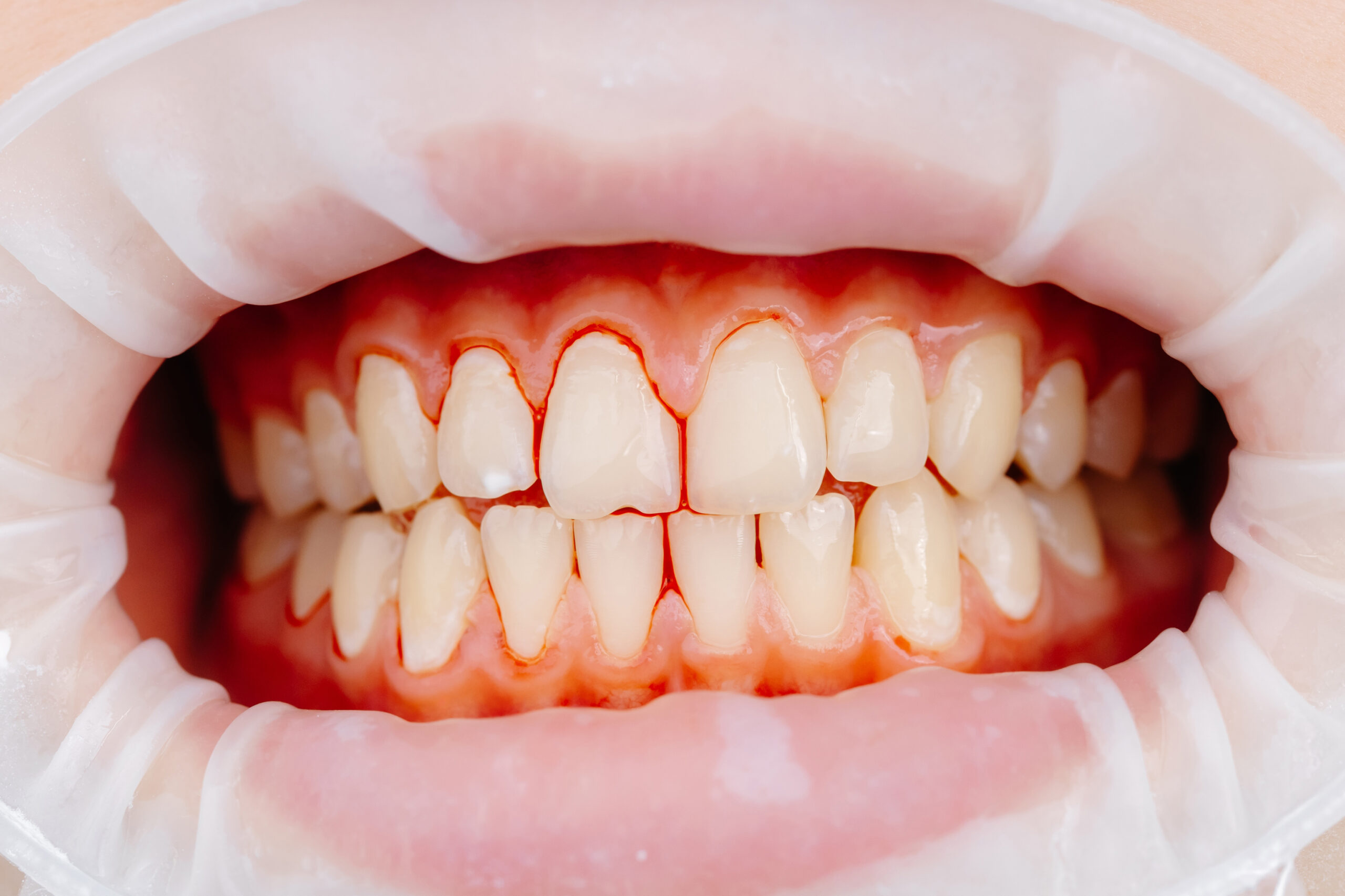
After a tooth extraction, your mouth needs time to heal and what you eat during this period plays a big role. Soft, easy-to-chew foods help protect the extraction site, reduce irritation, and lower the risk of complications like dry socket.
In the first few days, it’s important to avoid foods that are too hot, crunchy, or sticky, as they can interfere with healing. In this blog, we’ll go over why soft foods matter after a tooth extraction, what to avoid, and a list of comforting, dentist-approved foods to help you feel better faster.
In this blog, we’ll go over why soft foods matter after a tooth extraction, what to avoid, and a list of comforting, dentist-approved foods to help you feel better faster.
Why You Need Soft Foods After a Tooth Extraction
After a tooth is removed, the body forms a blood clot in the empty socket. That clot protects the bone and nerves underneath while new tissue forms. Eating hard, crunchy, or sticky foods too soon can dislodge this clot, which can lead to dry socket, infection, and prolonged pain.
Soft foods help to:
- Minimize chewing and pressure on the extraction site.
- Reduce the risk of irritation or injury to healing tissue.
- Eat easily when your mouth is sore or numb.
Your mouth will be most sensitive in the first few days, so this is the time to be extra gentle and choose foods that are smooth, soft, and mild in temperature.
10 Best Soft Foods to Eat After Tooth Extraction
Here’s a list of foods that are usually safe, satisfying, and healing-friendly during recovery:
1. Mashed Potatoes
Comfort food at its finest. Soft, warm (not hot) mashed potatoes are filling and easy to eat without chewing. Try them plain or with a bit of broth or butter for added flavor.
2. Yogurt
Cool and smooth, yogurt is a great choice, just skip the ones with fruit chunks or granola mixed in. Greek yogurt also provides a good source of protein, which helps with tissue repair.
3. Applesauce
It’s easy to swallow, gentle on the gums, and gives you a bit of natural sweetness. Applesauce can also be a nice alternative if you’re craving fruit but need to avoid anything crunchy.
4. Smoothies
Blended smoothies can be a nutritional powerhouse, but don’t drink them through a straw. The suction can dislodge the healing clot. Instead, sip slowly from a spoon or cup.
5. Scrambled Eggs
Eggs are soft, protein-rich, and easy to cook quickly. Scramble them lightly and avoid adding crispy edges or hard ingredients like bacon or peppers.
6. Soups and Broths
Warm (not hot) soups can be comforting and hydrating. Go for smooth, blended varieties like tomato, squash, or bone broth. Avoid soups with chunks of meat, beans, or vegetables until you’re further along in recovery.
7. Oatmeal or Cream of Wheat
Wait a day or two after your extraction before introducing oatmeal, as it can still be slightly chewy. Once you’re ready, it can be a soothing and fiber-rich option. Cream of wheat is even gentler and can be flavored with cinnamon or honey (once you’re cleared for it).
8. Pudding or Ice Cream
Yes, a little treat is allowed. Soft, cold desserts can help soothe inflammation—but stick with options that don’t have nuts, candy bits, or cookie chunks mixed in.
9. Cottage Cheese or Soft Cheeses
These offer protein and calcium without requiring much chewing. Avoid harder cheeses or anything that crumbles too easily and could get lodged in the extraction site.
10. Well-Cooked Pasta or Rice
After the first few days, you may be able to introduce very soft pasta or rice. Cook it until it’s very tender and avoid anything with spices or sauces that may irritate the wound.
Foods to Avoid During Healing
Just as important as knowing what to eat is knowing what not to eat. Certain foods can slow down healing or cause discomfort, and some can increase your risk for infection or dry socket.
Here’s what to steer clear of:
- Crunchy foods (chips, nuts, raw veggies)
- Sticky or chewy foods (gum, candy, jerky)
- Hot foods or drinks (they can irritate the area or cause bleeding)
- Spicy foods (may sting or cause inflammation)
- Alcohol and carbonated drinks (can delay healing)
- Straws (avoid for at least a week to prevent dry socket)
Stick to soft, lukewarm, and mild foods for the first 3–5 days, or as directed by your dentist.
Recovery Timeline and Tips
Everyone heals at a slightly different pace, but here’s a general idea of what to expect:
- Day 1–2: Stick strictly to soft, cool or lukewarm foods. Focus on hydration and avoid chewing near the extraction site.
- Day 3–5: You can start adding slightly more texture like soft pasta or scrambled eggs.
- After a week: If healing is going well, you may slowly reintroduce firmer foods, chewing on the opposite side of your mouth.
Always follow the instructions given by your dentist, and contact your dental office if you notice signs of infection, prolonged pain, or anything that doesn’t feel right.
Let Your Mouth Heal Right
Tooth extractions are common, but how you care for your mouth afterward makes a big difference in how fast and comfortably you recover. Choosing the right soft foods is a simple step that supports healing and helps you feel more like yourself again.
Whether you’re planning an extraction or recovering from one, Spearmint Dental & Orthodontics is here to make sure your experience is as smooth as possible.
Contact us today to schedule a follow-up or learn more about post-extraction care.
FAQs
1. How long should I stick to soft foods after a tooth extraction?
Most patients are advised to eat soft foods for at least 3 to 5 days after an extraction. If healing is going well and you’re no longer experiencing pain or swelling, you can gradually reintroduce more textured foods. For more complex extractions, like wisdom teeth removal, you may need to stay on a soft diet for a week or longer.
2. Can I eat bread or toast after my extraction?
Soft bread may be okay after a few days, but avoid anything crusty or toasted until the area has healed more. Crumbs or hard edges can get lodged in the socket or irritate the gums. If you’re unsure, wait or opt for a softer alternative like mashed potatoes, eggs, or oatmeal.
3. Why can’t I use a straw after a tooth extraction?
Using a straw creates suction in your mouth, which can dislodge the blood clot forming at the extraction site. This can lead to dry socket that delays healing. It’s best to avoid straws completely for at least 5–7 days after your procedure.
4. Are cold foods better for healing after an extraction?
Cold or cool foods like yogurt, smoothies (without a straw), or applesauce can help soothe the area and reduce swelling in the first 24–48 hours. Just make sure they’re not too sugary or acidic. After that, you can slowly introduce lukewarm foods, avoiding anything hot until your mouth feels more comfortable.