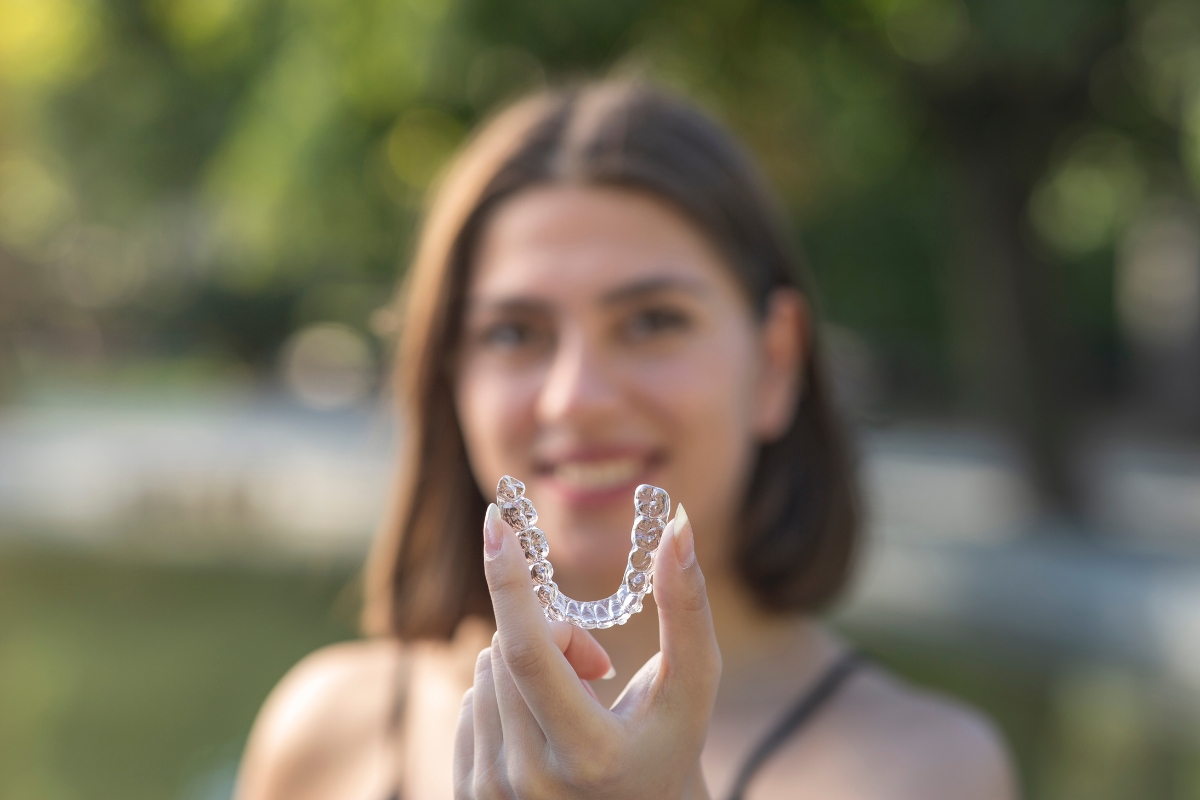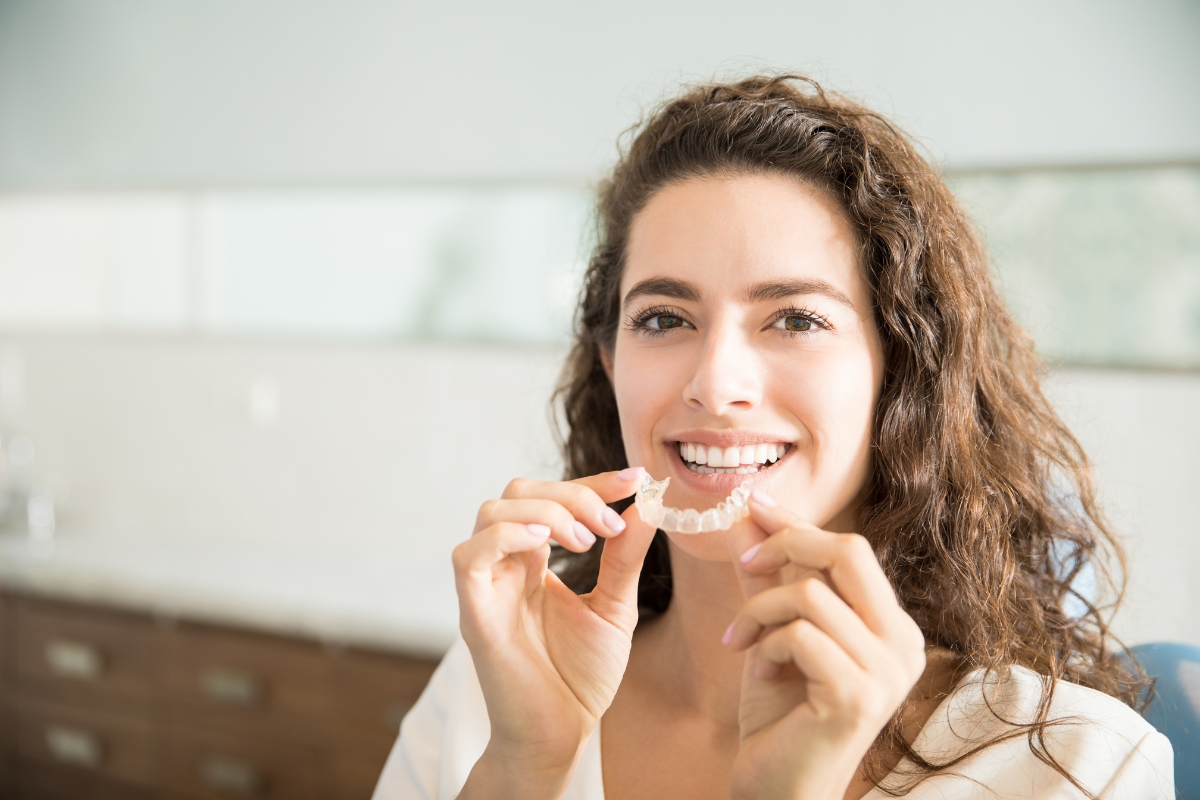
For many teens and adults, the idea of straightening teeth without metal braces feels like a practical and appealing option. Whether you’re preparing for a big event, updating your professional image, or simply wanting to feel more confident in everyday photos, subtle orthodontic improvements can make a meaningful difference.
Patients exploring discreet orthodontic options in Princeton often ask what to expect before starting. Learning how clear aligner treatment works—and what it requires day to day—can help you decide if it fits your lifestyle and goals.
Understanding Invisalign Treatment
Clear aligners are designed to gently move teeth into better alignment over time. Instead of brackets and wires, they use a series of custom-made trays that are worn over the teeth and changed periodically as movement progresses.
Because they are removable and nearly invisible, aligners are often chosen by patients who want flexibility in their routines. They can be a good option for addressing concerns like mild crowding, spacing, and certain bite issues. However, suitability depends on each person’s dental structure, goals, and level of commitment to wearing them consistently.
8 Things You Should Know Before Starting Invisalign
1. Treatment Requires Consistency
Aligners need to be worn for about 20–22 hours per day to be effective. This consistency allows teeth to move gradually and predictably. Skipping wear time can delay progress.
2. Aligners Are Removable—But Discipline Matters
One of the biggest advantages is the ability to remove aligners for meals and brushing. At the same time, this flexibility requires discipline. It’s easy to forget to put them back in during a busy day.
3. You May Feel Mild Pressure Initially
When switching to a new set of aligners, it’s normal to feel slight pressure. This is a sign that the trays are working. Most patients adjust within a few days.
4. Oral Hygiene Becomes Even More Important
Because aligners sit closely against your teeth, maintaining good oral hygiene is essential. Brushing and flossing regularly helps prevent buildup and keeps both your teeth and aligners clean.
5. Not Every Case Is Ideal for Aligners
While aligners can address many alignment concerns, some complex cases may benefit more from traditional orthodontic approaches. A professional evaluation helps determine the right option.
6. Attachments and Refinements May Be Needed
Some patients require small tooth-colored attachments to help guide movement. In certain cases, refinements—additional aligners after the initial series—are part of achieving the final result.
7. Treatment Time Varies by Case
Every smile is different. Some patients complete treatment in several months, while others may need longer. The timeline depends on the complexity of the alignment and how consistently aligners are worn.
8. Results Depend on Compliance
Aligners are effective when used as directed. Consistent wear, proper care, and attending follow-up visits all play a role in achieving the desired outcome.
How Orthodontic Treatment Is Planned Thoughtfully
Before starting aligner therapy, a careful planning process takes place to ensure the approach is appropriate and effective.
Digital scans create a detailed 3D image of your teeth, allowing for precise mapping of how they will move over time. This helps guide the design of each aligner in the series.
Your bite and overall alignment are also evaluated to ensure that changes support both function and appearance. Throughout treatment, progress is monitored and adjustments are made when needed. This step-by-step approach helps maintain balance between aesthetics, comfort, and long-term oral health.
Considering Your Next Step
If you’ve been thinking about straightening your teeth but want a more flexible option, having a conversation with a dental team can provide clarity. Understanding what aligner therapy involves—and how it fits into your routine—can help you make a confident, informed decision.
If it feels like the right time to explore your options, you can visit our Princeton dental office to talk through your goals and learn what approach may work best for you.
FAQs
Is Invisalign painful?
Most patients experience mild pressure rather than pain, especially when starting a new set of aligners. This usually fades within a few days.
How long does treatment usually take?
Treatment length varies depending on individual needs. Some cases take several months, while others may take longer to achieve desired results.
Can I eat normally during treatment?
Yes. Aligners are removed while eating, so there are no food restrictions. It’s important to clean your teeth before putting them back in.
How often do I need to wear aligners?
Aligners should be worn for 20–22 hours per day for effective results. They should only be removed for eating, drinking (anything other than water), and oral hygiene.
How do I know if I’m a good candidate?
A professional evaluation is the best way to determine suitability. Your dental provider will assess alignment, bite, and overall oral health before recommending treatment.