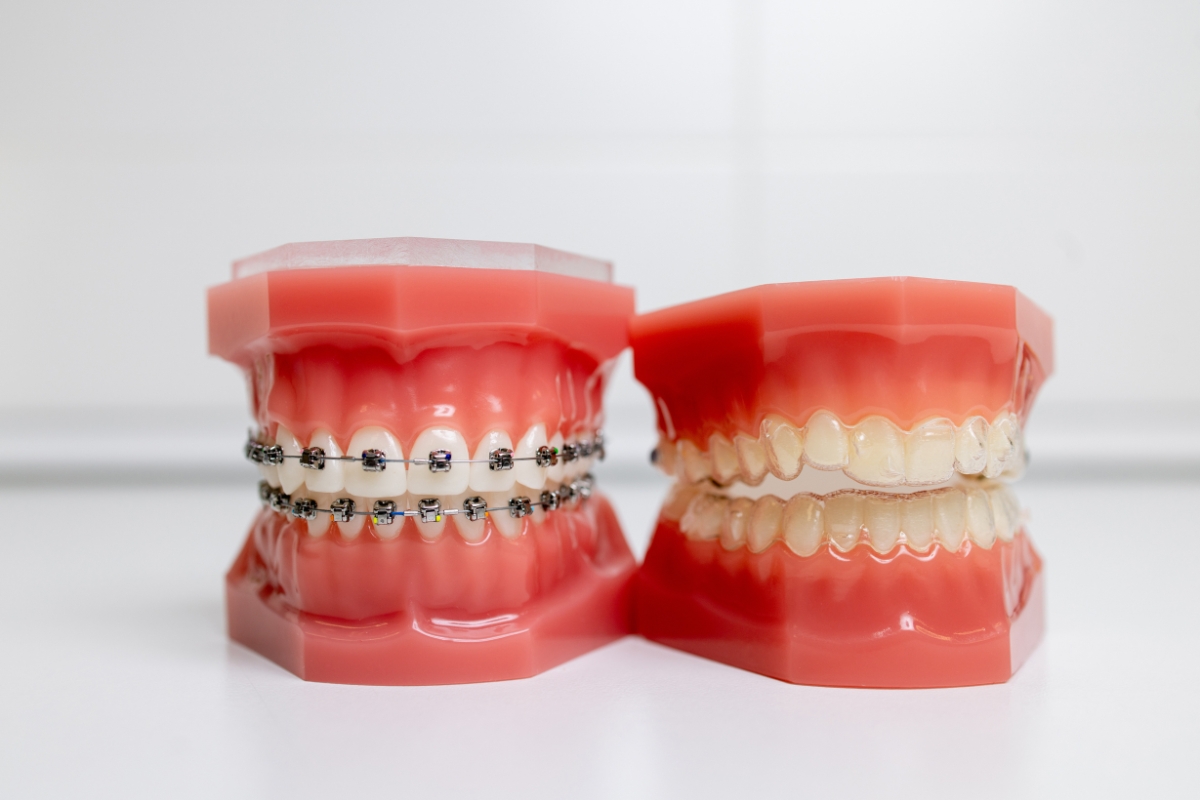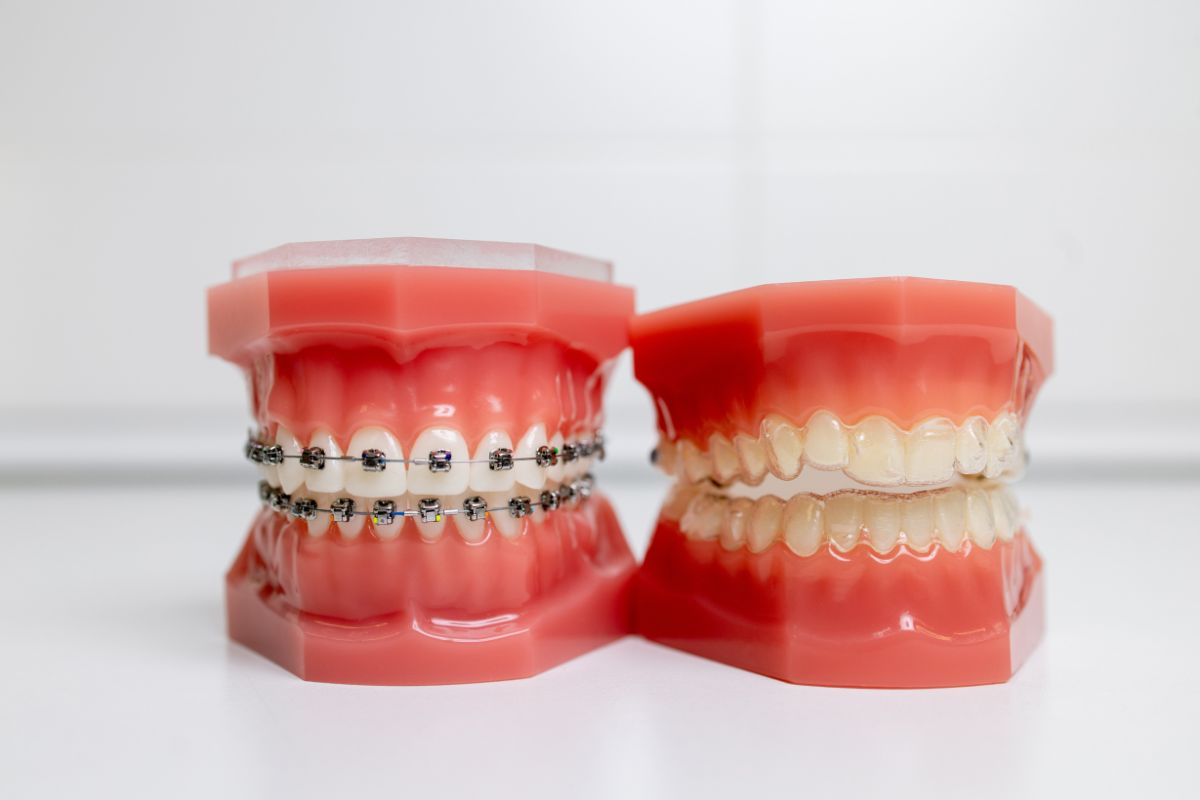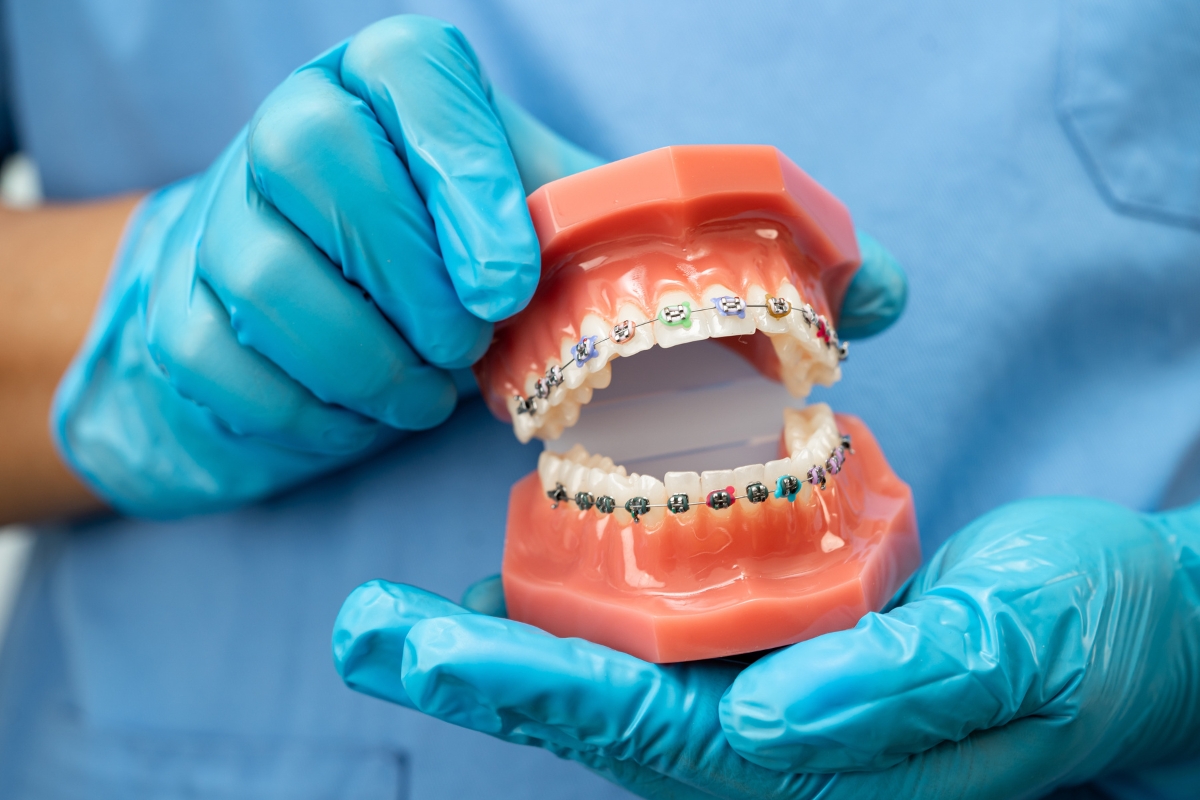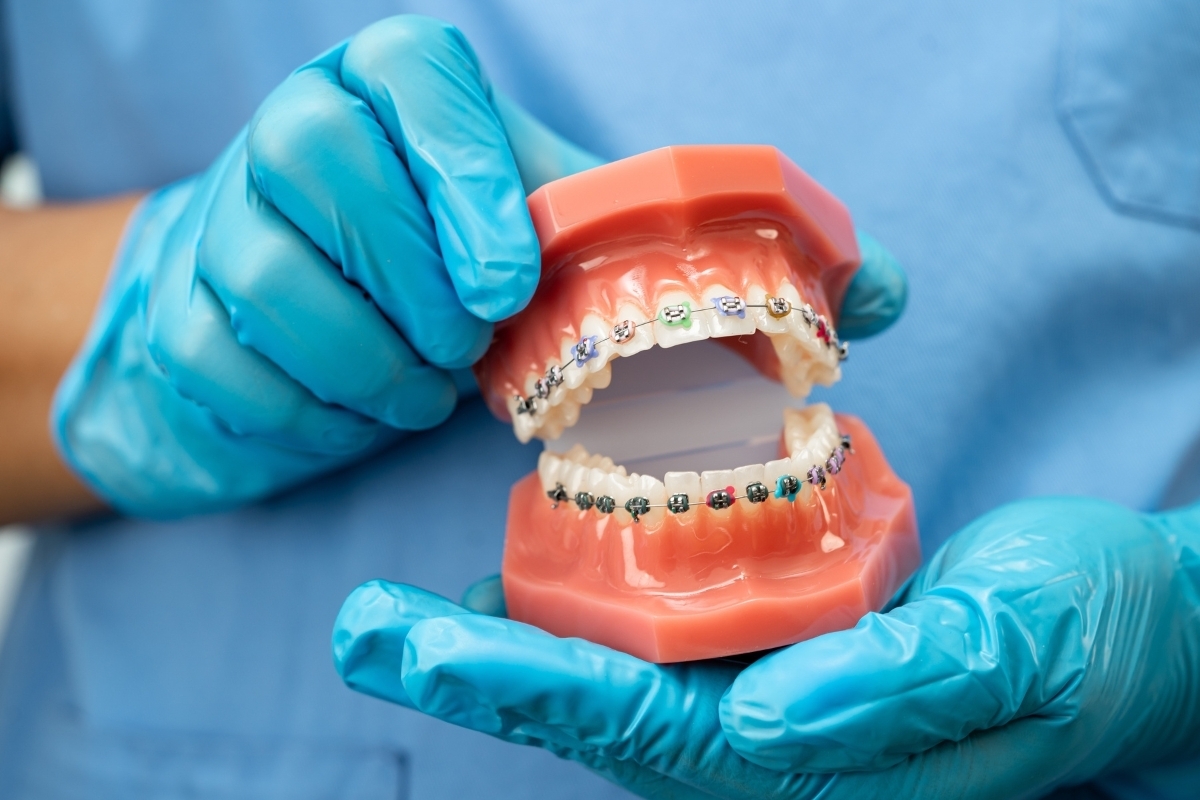
The day your braces finally come off is a major milestone. Months or even years of meticulous care, adjustments, and dietary modifications culminate in that moment when you run your tongue across smooth, perfectly aligned teeth for the very first time. However, removing brackets and wires marks the end of active orthodontic movement and the beginning of the crucial retention phase. Without proper retention, your teeth naturally tend to shift back toward their original positions over time.
At Spearmint Dental & Orthodontics – Wichita Falls, our experienced dental team, including Dr. James Garrett, Dr. Jan Ortiz, Dr. Taylor Hewett, and Dr. Nirav Ribadiya, is dedicated to ensuring your newly straightened smile remains flawless for a lifetime. As local practitioners delivering high-quality orthodontic treatment in Wichita Falls, we want to guide you through what happens during debonding day and how retainers safeguard your investment.
The Debonding Process: What to Expect on Braces Removal Day
Removing traditional metal or ceramic braces is simple, completely painless, and surprisingly fast. Understanding what happens during this appointment helps relieve any lingering anxiety.
- Bracket Removal: Your orthodontist uses specialized dental pliers to gently squeeze the base of each bracket. This breaks the adhesive bond separating the bracket from your enamel in one swift, safe movement.
- Adhesive Cleanup: Once the brackets and archwires are removed, a small amount of bonding resin remains on your enamel. We use a high-speed polishing handpiece to smooth away the leftover cement, leaving your teeth clean and shiny.
- Final Impressions or Digital Scans: To custom-craft your retainers, we take precise 3D digital scans or traditional impressions of your upper and lower arches.
- Before and After Photos: We capture final clinical photos to showcase your incredible transformation.
Why Retainers Are Non-Negotiable: Understanding Relapse
Teeth are not set in solid stone; they are anchored within flexible periodontal ligaments housed inside alveolar bone. During active tooth movement, these ligaments stretch, and the surrounding bone remodels to accommodate the new alignment.
When braces are removed, the bone around your teeth requires time to firm up and re-calcify. Additionally, elastic collagen fibers in the gum tissue retain a “memory” of where your teeth used to sit. Without a retainer holding them steady, these elastic fibers pull teeth back toward their former positions, a phenomenon known as orthodontic relapse. Wearing a custom retainer maintains structural stability while your bone and surrounding tissues stabilize permanently.
How Long Do You Need to Wear Your Retainer?
Retainer schedules progress in stages as your mouth adapts to the post-braces phase:
- Months 1 to 6 (Full-Time Wear): Wear your removable retainers 20 to 22 hours per day, removing them only when eating, drinking anything other than plain water, or brushing your teeth.
- Months 6 to 12 (Nighttime Wear): If your bite remains stable, your orthodontist will transition you to night-only wear (8 to 10 hours per night).
- Long-Term (Lifetime Maintenance): Teeth naturally shift forward as a normal part of aging. Wearing your retainer a few nights a week indefinitely is the only guaranteed way to preserve your straight smile for life.
Essential Retainer Maintenance and Hygiene Tips
Keeping your retainer clean prevents bacterial growth, bad breath, and unwanted staining.
- Clean Daily: Gently brush removable retainers using soft bristles and mild liquid soap. Avoid abrasive toothpastes, which can scratch clear plastic and trap bacterial plaque.
- Avoid Hot Water: High heat permanently warps clear plastic retainers. Never wash them in boiling water or hot dishwashers.
- Store in a Case: When your retainer is not in your mouth, keep it in its protective case. Wrapping it in a napkin during meals is the leading cause of accidental trash disposal!
- Protect from Pets: Dogs are naturally drawn to retainer plastic and saliva; always store your case in a secure drawer or high shelf.
Common Challenges and How to Overcome Them
Transitioning to retainers is usually smooth, but a few minor adjustments are normal:
- Speech Adjustments: You may notice a mild lisp during your first few days. Practice reading out loud to adapt quickly.
- Increased Salivation: Your brain initially perceives new retainers as food, temporarily increasing saliva flow. This normal response fades within 48 to 72 hours.
- Tightness: If your retainer feels tight after skipping a night, wear it consistently to guide slightly shifted teeth back into alignment. If it feels painfully tight or fails to snap in, visit your dental office promptly.
At our practice, located conveniently on Lawrence Road near Sikes Senter, we ensure every patient leaves with comprehensive maintenance instructions tailored to their specific appliances. Completing professional orthodontic treatment in Wichita Falls is an exciting journey, and our goal is to support your oral health at every stage.
Seek our Professional Orthodontic Care for a Well-Aligned Smile
Choosing the right local dental practice ensures your post-braces care is convenient, personalized, and expert-led. At Spearmint Dental & Orthodontics – Wichita Falls, we combine advanced diagnostic technology with family-centered care under one roof.
Whether you need routine cleanings, replacement retainers, or comprehensive orthodontic care, our team offers flexible scheduling and comfortable financing to keep high-quality dental care accessible for North Texas families.
Frequently Asked Questions
What should I do if I lose or break my retainer?
Contact our office immediately to order a replacement. Postponing replacement allows teeth to shift quickly, potentially requiring corrective aligners or braces to restore your alignment.
Is wearing a retainer after braces painful?
Retainers cause mild pressure rather than pain during the first few days. This discomfort fades quickly as your mouth adapts to holding teeth in their ideal positions.
Can I wear my clear retainer while eating or drinking?
Always remove clear retainers before eating or drinking anything besides plain water. Chewing damages the plastic structure, while warm liquids distort fit and trap sugary liquids against enamel.
How often should I replace my removable retainer?
With proper care, clear Essix retainers typically last 1 to 3 years, while acrylic Hawley retainers can last 5 to 10 years before requiring routine replacement due to wear.
How do I deep-clean my retainer to remove calcium buildup?
Soak your retainer in specialized retainer cleaning tablets or a diluted equal-parts water and white vinegar solution for 15 minutes weekly to safely dissolve stubborn mineral deposits.
Can a permanent retainer break or come loose?
Yes, biting hard foods can detach the bonding composite from individual teeth. If your wire feels loose or sharp, schedule an appointment immediately to prevent unwanted tooth movement.
Will my teeth shift if I stop wearing my retainer?
Yes, teeth naturally drift over time due to age, chewing pressure, and tissue memory. Skipping retainer wear inevitably leads to orthodontic relapse, compromising your treatment investment.