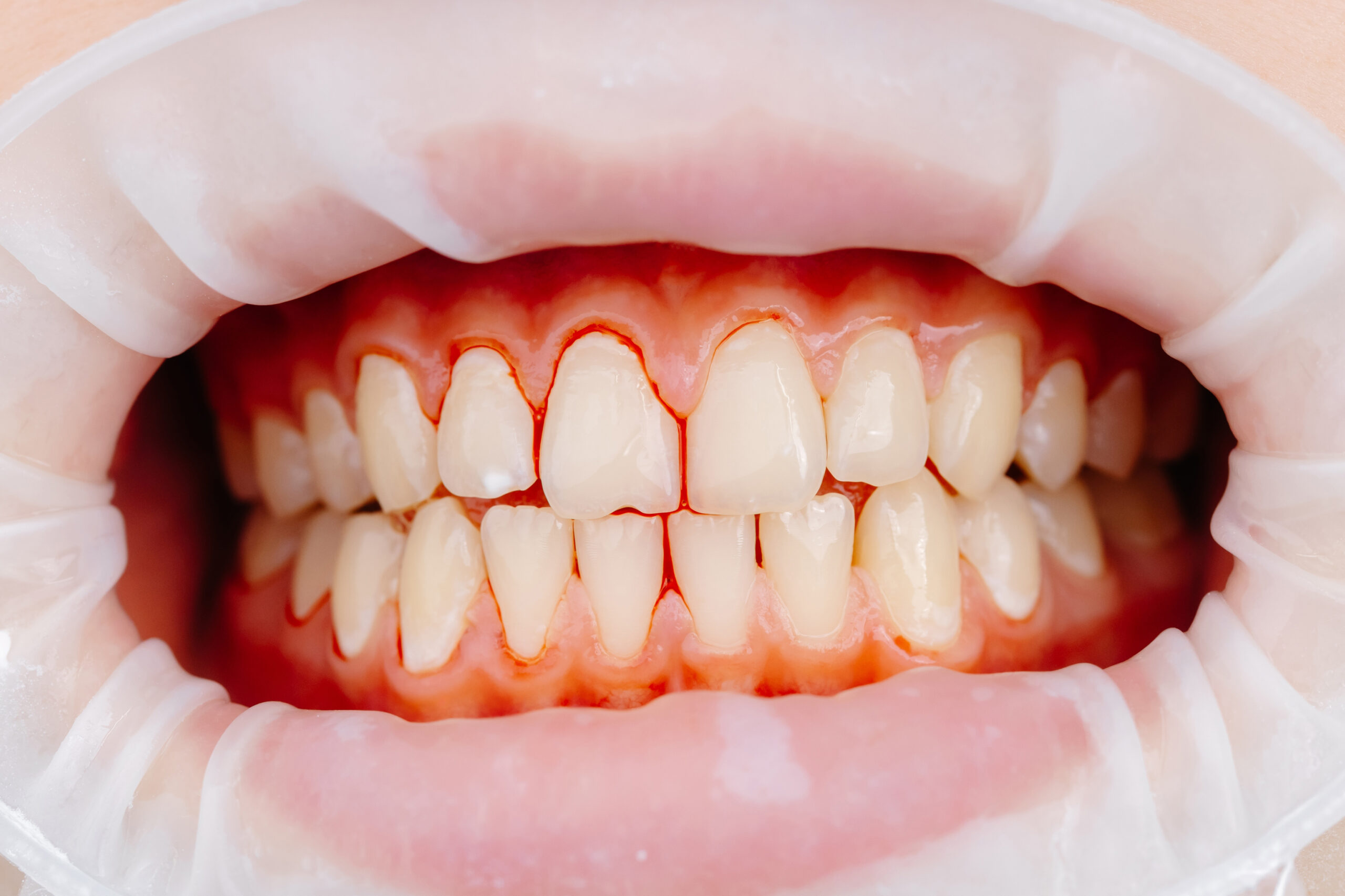
Dealing with loose teeth as an adult can be concerning, especially when it’s caused by gum disease. Fortunately, there are effective ways to address this issue, restore stability, and improve oral health. In this blog, we’ll explore the causes of loose teeth due to gum disease and the steps you can take to manage and fix this issue.
Understanding Gum Disease and Its Impact on Teeth
Gum disease, also known as periodontal disease, affects the gums and surrounding tissues that support the teeth. It typically begins as gingivitis, where gums become red, swollen, and may bleed. If untreated, it can progress to periodontitis, where the infection affects deeper tissues, causing the gums to pull away from the teeth. Over time, this separation can weaken the tooth’s stability, eventually leading to loose teeth.
Causes of Loose Teeth from Gum Disease
When gum disease advances to a severe stage, it can damage the soft tissue and bone that hold teeth firmly in place. Some common reasons for loose teeth related to gum disease include:
- Bone Loss: Advanced gum disease can erode the bone around the tooth, reducing its stability.
- Gum Recession: As the gums pull away from the tooth, it becomes less secure in its position.
- Infection and Inflammation: Bacteria in the gums create infections that can weaken the attachment of the tooth to the bone and surrounding tissues.
Symptoms of Loose Teeth from Gum Disease
If you’re experiencing gum disease-related symptoms, it’s essential to take action quickly. Common signs include:
- Tooth mobility or a “wiggly” feeling
- Gums that bleed easily or are swollen and red
- Persistent bad breath or an unpleasant taste in the mouth
- Visible gaps between teeth or receding gums
Addressing these symptoms early can prevent further complications and increase the chances of saving your natural teeth.
Effective Treatments to Stabilize Loose Teeth
If you’ve noticed that gum disease is causing your teeth to feel loose, there are several treatment options that can help stabilize them. The right approach often depends on the severity of the gum disease and the extent of bone or tissue loss.
1. Professional Deep Cleaning
One of the initial treatments for gum disease is a deep cleaning, also known as scaling and root planning. This procedure removes plaque and tartar buildup from below the gum line. Scaling and root planning can reduce infection and promote healing of the gums, helping them reattach more closely to the teeth.
2. Antibiotic Therapy
Antibiotics are often used alongside deep cleaning to control the infection in the gums. Antibiotic gels or mouth rinses can be applied directly to the gums, or oral antibiotics may be prescribed. Reducing bacterial presence can minimize inflammation and support tissue healing.
3. Bone Grafting
In cases of advanced gum disease where bone loss has occurred, bone grafting can help restore stability. During a bone graft procedure, a specialist places new bone material around the affected teeth to encourage natural bone regrowth. This additional support can reinforce the tooth’s position and prevent further loosening.
4. Soft Tissue Grafting
Soft tissue grafting is used to address receding gums, another contributor to loose teeth. In this procedure, healthy tissue is transplanted to cover areas where the gums have receded. By reinforcing the gum structure, this treatment helps protect teeth and provide added stability.
5. Splinting Loose Teeth
In some cases, a procedure called tooth splinting can be used to stabilize loose teeth. Splinting involves bonding the loose tooth to neighboring teeth, creating a single, more stable unit. This procedure is usually temporary, giving the gums and bone time to heal while reducing pressure on the affected tooth.
6. Regular Maintenance and Follow-Up
Once you’ve received treatment for loose teeth caused by gum disease, regular follow-ups are essential. Routine cleanings and checkups can help monitor your progress, prevent gum disease from returning, and ensure the long-term stability of your teeth.
At-Home Tips to Support Loose Teeth Recovery
While professional treatments are crucial for addressing loose teeth, there are also several steps you can take at home to support healing and prevent further issues:
- Practice Good Oral Hygiene: Brush twice a day and floss daily to prevent plaque buildup. Consider using an antibacterial mouthwash to help control gum bacteria.
- Use a Soft-Bristled Toothbrush: A soft-bristled toothbrush is gentle on gums and can help prevent additional gum recession.
- Avoid Hard or Sticky Foods: Eating foods that are difficult to chew can put strain on loose teeth, increasing the risk of further damage.
- Consider Using a Mouthguard: If you grind your teeth at night, a mouthguard can reduce pressure on loose teeth and protect the gums from additional stress.
Contact Spearmint Dental and Orthodontics for Professional Care
At Spearmint Dental and Orthodontics, we are committed to providing top-quality dental care in Wichita Falls. Our Wichita Falls dentist and team of experienced staff specializes in treating gum disease, stabilizing loose teeth, and offering comprehensive dental services. We use the latest techniques and technology to ensure you receive the best care possible, all in a comfortable and welcoming environment. If you’re dealing with gum issues or any dental concerns, reach out to us to learn how we can help restore your smile and keep your oral health on track.