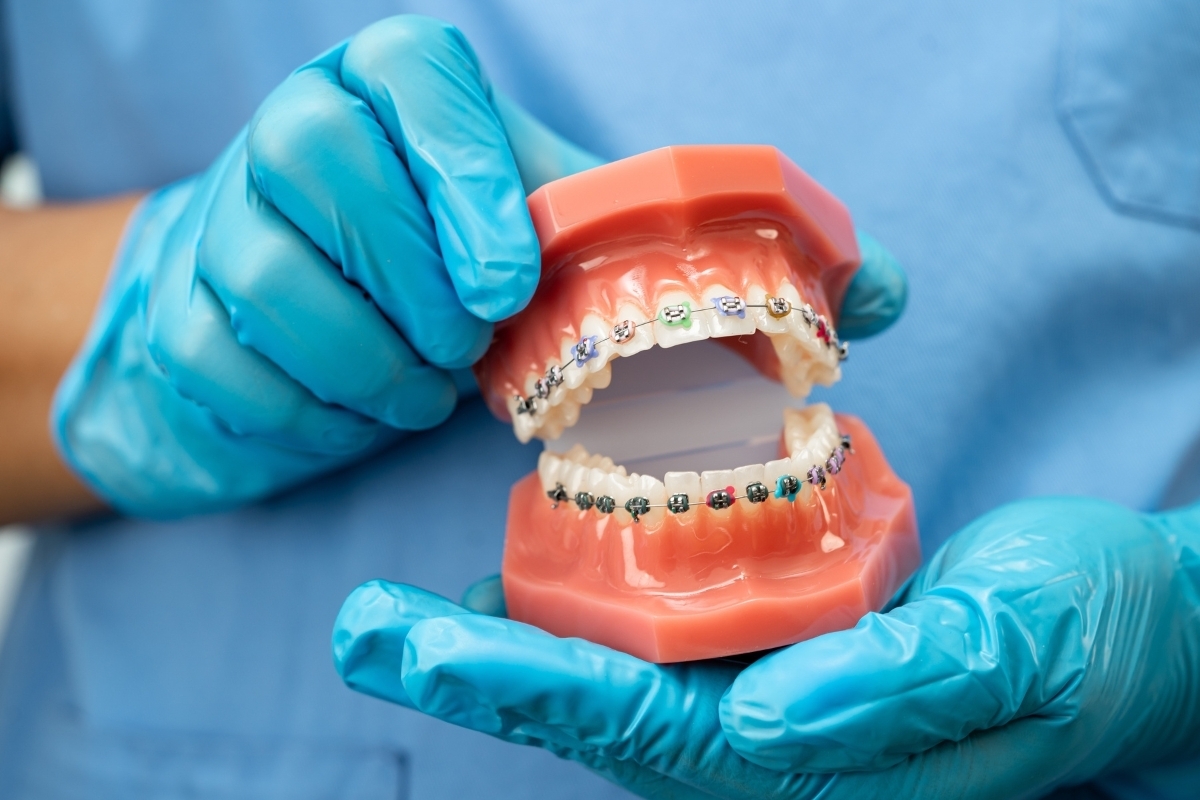
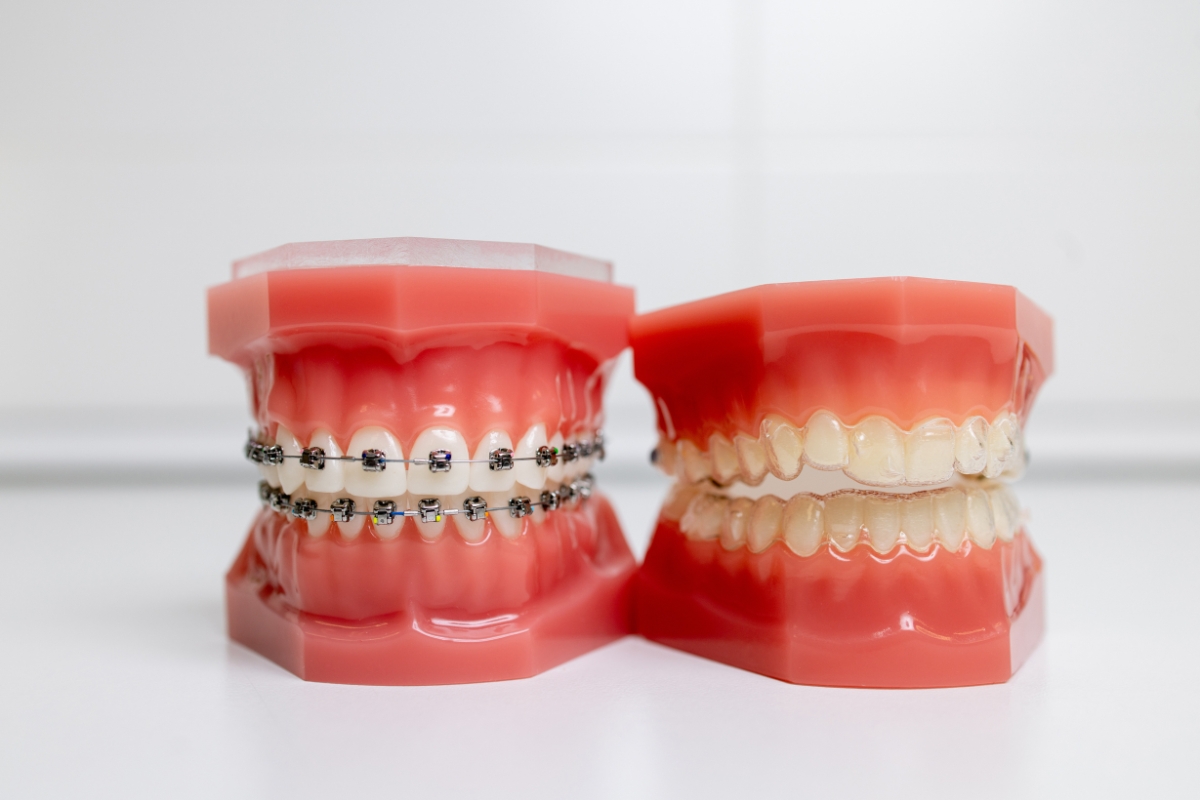
Gum overgrowth, also known as gingival hyperplasia, is a common issue for people wearing braces. While braces are essential for straightening teeth and improving oral health, they can sometimes cause gums to swell and overgrow. This overgrowth can make it difficult to maintain oral hygiene and may lead to other dental problems if not managed properly. In this blog, we’ll discuss why gum overgrowth happens, how to prevent it, and what to do if you experience it while wearing braces.
Why Does Gum Overgrowth Happen with Braces?
When you wear braces, the brackets and wires create additional surfaces for plaque and bacteria to accumulate. This buildup can irritate your gums, leading to inflammation and overgrowth. Additionally, the pressure and movement caused by the braces can stimulate the gums, causing them to grow more tissue.
Several factors can contribute to gum overgrowth, including:
- Poor oral hygiene
- Hormonal changes (such as during puberty or pregnancy)
- Certain medications
- Genetics
Understanding these factors can help you take the necessary steps to prevent and manage gum overgrowth while wearing braces.
Preventing Gum Overgrowth with Proper Oral Hygiene
The most effective way to prevent gum overgrowth is by maintaining excellent oral hygiene. Here are some practical tips to help you keep your gums healthy while wearing braces:
Brushing and Flossing
Brush your teeth at least twice a day, and ideally after every meal. Use a soft-bristled toothbrush and fluoride toothpaste. Pay special attention to cleaning around the brackets and wires. Electric toothbrushes can be particularly helpful in reaching all areas.
Flossing is equally important. Use a floss threader or special orthodontic floss to clean between your teeth and under the gumline. This helps remove plaque and food particles that can lead to gum irritation.
Using Mouthwash
Rinsing with an antimicrobial mouthwash can help reduce bacteria and plaque in your mouth. Look for mouthwashes that are alcohol-free and designed for sensitive gums.
Regular Dental Visits
Regular visits to your orthodontist and dentist are crucial. They can monitor your gum health and provide professional cleanings that remove plaque and tartar buildup. Your orthodontist can also adjust your braces to ensure they are not causing excessive pressure on your gums.
Diet and Lifestyle Tips
What you eat and drink can also affect your gum health. Here are some dietary and lifestyle tips to consider:
Healthy Diet
Eating a balanced diet rich in vitamins and minerals supports overall oral health. Foods high in vitamin C, such as citrus fruits and leafy greens, can help strengthen your gums. Avoid sugary and starchy foods that can contribute to plaque buildup.
Hydration
Drinking plenty of water helps wash away food particles and bacteria. It also keeps your mouth hydrated, which is essential for healthy gums.
Avoiding Tobacco
If you smoke or use other tobacco products, quitting can significantly improve your gum health. Tobacco use is a major risk factor for gum disease and can exacerbate gum overgrowth.
Treating Gum Overgrowth
Despite your best efforts, you might still experience some gum overgrowth while wearing braces. If this happens, there are several treatment options available:
Professional Cleaning
Your dentist or orthodontist can perform a deep cleaning to remove plaque and tartar buildup from below the gumline. This can help reduce inflammation and overgrowth.
Gum Trimming
In more severe cases, your dentist may recommend a procedure called gingivectomy. This involves trimming away the excess gum tissue to restore a healthy gumline. The procedure is usually quick and can significantly improve the appearance and health of your gums.
Adjusting Braces
Sometimes, simply adjusting the braces can alleviate the pressure on your gums and reduce overgrowth. Your orthodontist can make these adjustments during your regular visits.
Home Remedies and Tips
In addition to professional treatments, there are several home remedies you can try to manage mild gum overgrowth:
Salt Water Rinse
Rinsing your mouth with warm salt water can help reduce inflammation and promote healing. Mix a teaspoon of salt in a glass of warm water and rinse your mouth for 30 seconds, then spit it out. Do this twice a day for best results.
Herbal Remedies
Some herbal remedies, like aloe vera gel or tea tree oil, can have anti-inflammatory properties. Apply a small amount of aloe vera gel to your gums, or use a mouthwash containing tea tree oil to help reduce swelling.
Staying Consistent with Oral Care
Maintaining a consistent oral care routine is essential. Brush and floss regularly, and don’t skip your dental appointments. Keeping up with these habits can prevent further gum issues and promote overall oral health.
In Summary
Gum overgrowth with braces can be a challenging issue, but with proper care and attention, it is manageable. Maintaining excellent oral hygiene, eating a healthy diet, and visiting your orthodontist regularly are key steps in preventing and treating gum overgrowth. If you experience persistent issues, don’t hesitate to seek professional advice and treatment. With the right approach, you can keep your gums healthy and enjoy the benefits of your orthodontic treatment.