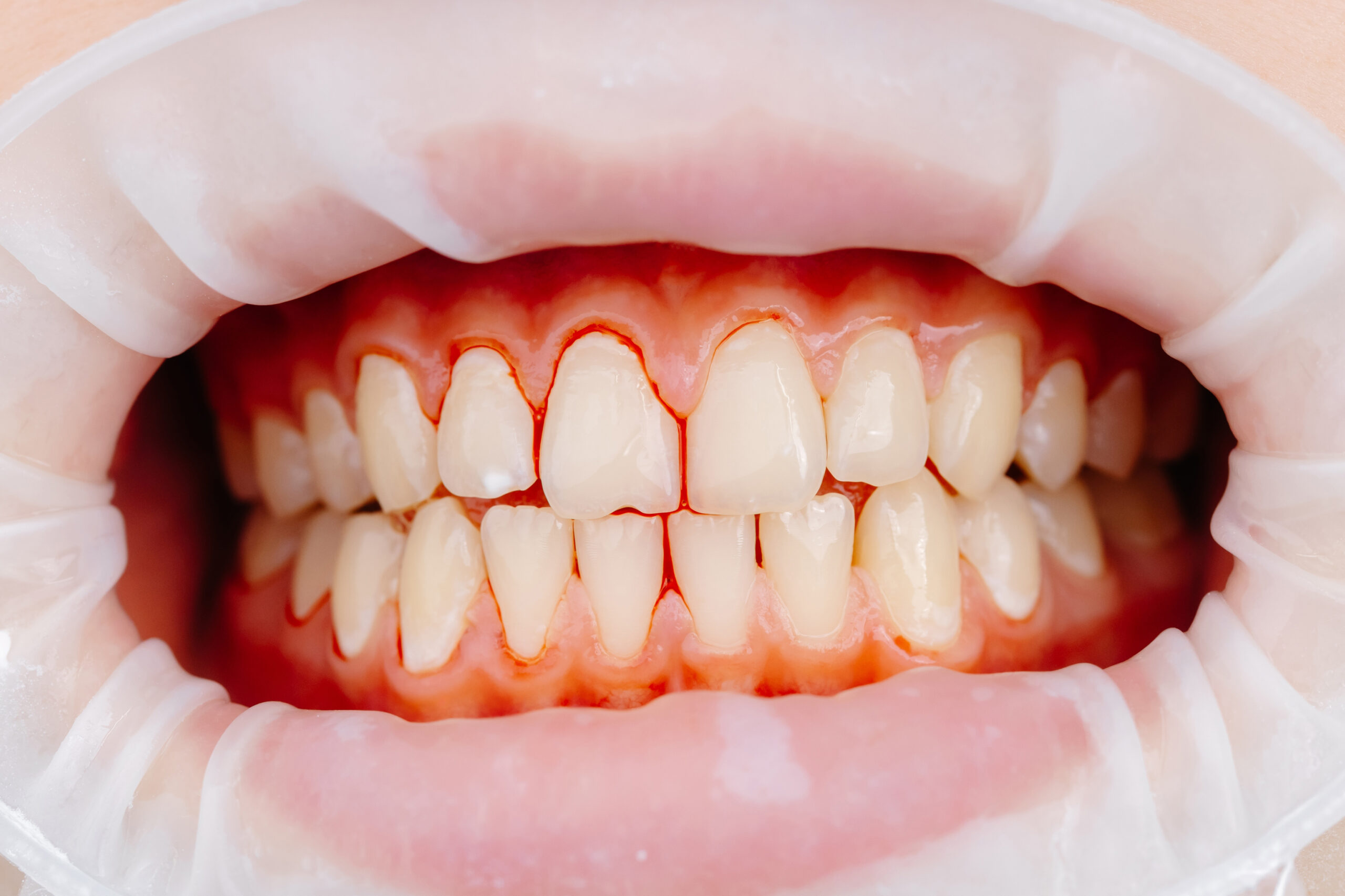
Although getting a straight and attractive smile is one of the main goals of orthodontics, there are also many other advantages. There is a growing interest in the relationship between orthodontics and general health in dentistry and medicine. The importance of orthodontics in fostering a healthier lifestyle is becoming clearer and clearer as research reveals the complex relationships between dental health and overall health.
The Mouth-Body Connection
The oral cavity is the entryway to the body. Therefore, oral health has a major influence on general health. Cardiovascular difficulties, respiratory illnesses, and other health problems can be caused by poor oral hygiene and untreated dental concerns. Orthodontic treatments, such as braces or clear aligners, are essential for preserving dental health because they correct malocclusions and misalignments.
Straight Teeth and Oral Health
One of the basic aims of orthodontics is to rectify misalignments and establish a correctly aligned bite. In addition to making a smile seem nicer, straight teeth make excellent dental hygiene habits easier. Teeth that are not positioned correctly can produce small, hard-to-clean crevices that raise the risk of gum disease, tooth decay, and other oral diseases. In addition to improving the teeth’s look, orthodontic treatments increase their accessibility for thorough cleaning, which lowers the risk of oral health problems.
Improving Chewing and Digestion
Overbites and underbites are malocclusions that can alter how people chew their food. Inadequate tooth mingling while chewing might result in poor nutritional absorption and digestion. To ensure that the teeth meet correctly and perform as intended, orthodontic treatments seek to address these misalignments. By enhancing the chewing process, orthodontics leads to better digestion and general nutritional health.
Preventing Temporomandibular Joint Disorders (TMD)
One important joint that makes moving the jaw easier is the temporomandibular joint (TMJ). Misalignments and malocclusions can cause stress on the temporomandibular joint (TMJ), resulting in problems. TMD can impact the shoulders and neck, causing headaches and jaw discomfort. By treating the underlying causes of malocclusions, orthodontic treatments can lower the likelihood of developing TMD and relieve its symptoms.
Enhancing Speech and Communication
Speech patterns and clarity might be affected by misaligned teeth and jaw problems. These problems can be resolved by orthodontic procedures, such as braces or aligners, enhancing speech and communication abilities. This is especially important when a kid is still developing since healthy speech development is directly related to general cognitive and social development.
Boosting Confidence and Mental Wellbeing
Although there is no denying the benefits of orthodontics on the body, it is important to consider the effects on mental and emotional health. A straight, healthy grin positively impacts social relationships, mental health, self-esteem, and confidence. People with orthodontic treatment frequently express greater happiness with their looks, enhancing their general wellbeing.
The Systemic Impact of Oral Health
Beyond the benefits that orthodontic therapies provide to the oral cavity right away, maintaining excellent oral health can have a systemic effect on general wellbeing. Studies have connected problems with dental health, such as periodontal disease, to a higher chance of developing several systemic illnesses, such as diabetes, heart disease, and respiratory diseases. Orthodontics reduces the risk of these systemic disorders by correcting misalignments and preserving dental health.
The Role of Orthodontics in Sleep Apnea
The relationship between orthodontics and sleep apnea—a dangerous sleep disease marked by disrupted breathing during sleep—has been investigated in recent research. Malocclusions and jaw misalignments can contribute to the development of sleep apnea by altering airway function. Orthodontic therapies, including mouth appliances or orthognathic surgery, can assist in addressing these problems and perhaps provide a remedy for those with sleep apnea and enhance the quality of their sleep in general.
Conclusion
Orthodontics plays a significant role in improving general wellbeing in addition to helping people achieve attractive smiles. Orthodontic treatments offer a comprehensive approach to health, treating systemic health concerns, reducing dental disorders, increasing oral cleanliness, and boosting mental wellbeing. As the relationship between the mouth and body becomes increasingly clear, orthodontics becomes useful in the quest for a longer, healthier life. Investing in orthodontic care is an investment in a healthier, more energetic future, not only for aesthetic reasons.