Welcome to our blog post on preventing dental emergencies! We all know how painful and inconvenient it can be when a dental emergency strikes. From excruciating toothaches to unexpected, chipped teeth, these situations not only ruin your day but also take a toll on your oral health. But fear not, because we’re here to share some proactive strategies with you that will help safeguard your teeth and keep those emergencies at bay. So, sit back, relax, and get ready to dive into the world of preventive dentistry – where you’ll learn how simple habits and smart choices can make all the difference in maintaining a healthy smile for years to come!
Introduction to Dental Emergencies
Dental emergencies can be painful and scary. They can also be expensive to treat. That’s why it’s important to do everything you can to prevent them from happening in the first place.
There are a few things you can do to proactively prevent dental emergencies:
- See your dentist regularly for checkups and cleanings. This will help identify any potential problems early on, before they become bigger (and more expensive) issues.
- Brush and floss your teeth daily. This helps remove plaque and bacteria that can cause tooth decay and other problems.
- Eat a balanced diet and avoid sugary snacks and drinks. This will help keep your teeth strong and healthy.
- Wear a mouthguard when playing sports or participating in other activities where there is a risk of injury to the mouth. This will help protect your teeth from being chipped, cracked, or knocked out entirely.
- Avoid using your teeth as tools (for example, don’t use them to open bottles or rip open packages). This can damage your teeth and make them more susceptible to injury or infection.
Common Causes of Dental Emergencies
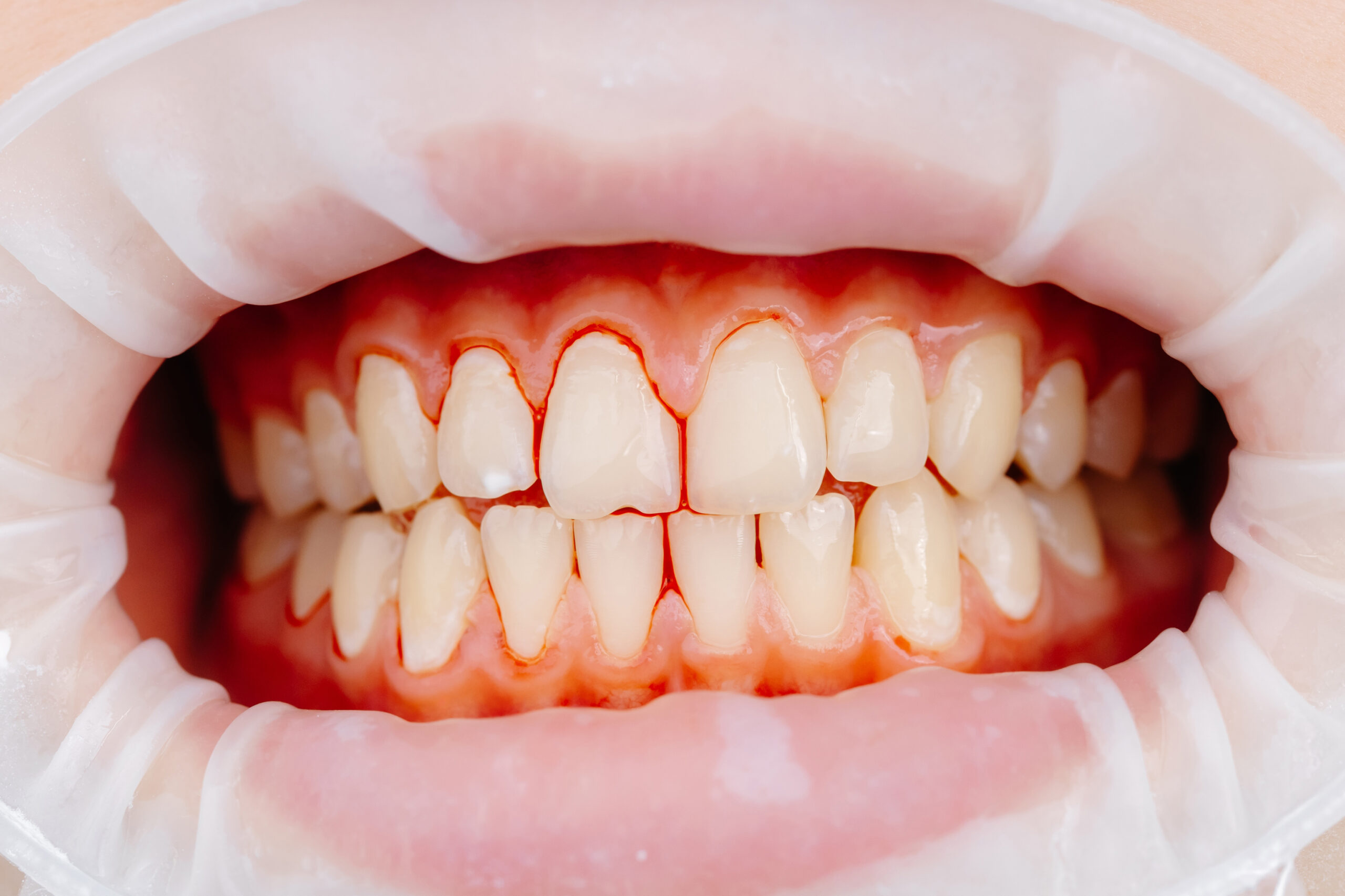
There are a number of common causes of dental emergencies. One of the most common is tooth decay. When tooth decay occurs, it can lead to pain, sensitivity, and even infection. If not treated promptly, tooth decay can cause serious damage to your teeth and oral health.
Another common cause of dental emergencies is trauma to the teeth. This can occur as a result of an accident or injury. Trauma to the teeth can cause pain, swelling, and bleeding. In some cases, it can also lead to tooth loss.
If you have any concerns about your dental health, it is important to see a dentist as soon as possible. Early diagnosis and treatment of dental problems can help prevent more serious complications from developing.
Practicing Oral Hygiene Habits for Prevention
It’s no secret that practicing good oral hygiene habits is important for the health of your teeth and gums. But did you know that oral hygiene habits can also help prevent dental emergencies?
Here are some oral hygiene habits to practice for preventing dental emergencies:
- Brushing at least twice a day – Be sure to brush your teeth at least twice a day, using a toothbrush with soft bristles. Use gentle circular motions and be sure to reach all surfaces of your teeth. Don’t forget to brush your tongue too!
- Flossing regularly – Flossing helps remove plaque and bacteria from between your teeth, where a toothbrush can’t reach. Be sure to floss at least once a day.
- Using mouthwash – Mouthwash can help reduce plaque and bacteria in your mouth. Look for a mouthwash that contains fluoride, which can help protect your teeth from cavities.
- Eating a healthy diet – A healthy diet is good for your overall health, including your oral health. Eat plenty of fruits, vegetables, and whole grains, and limit sugary snacks and drinks.
Benefits of Regular Checkups and Cleanings
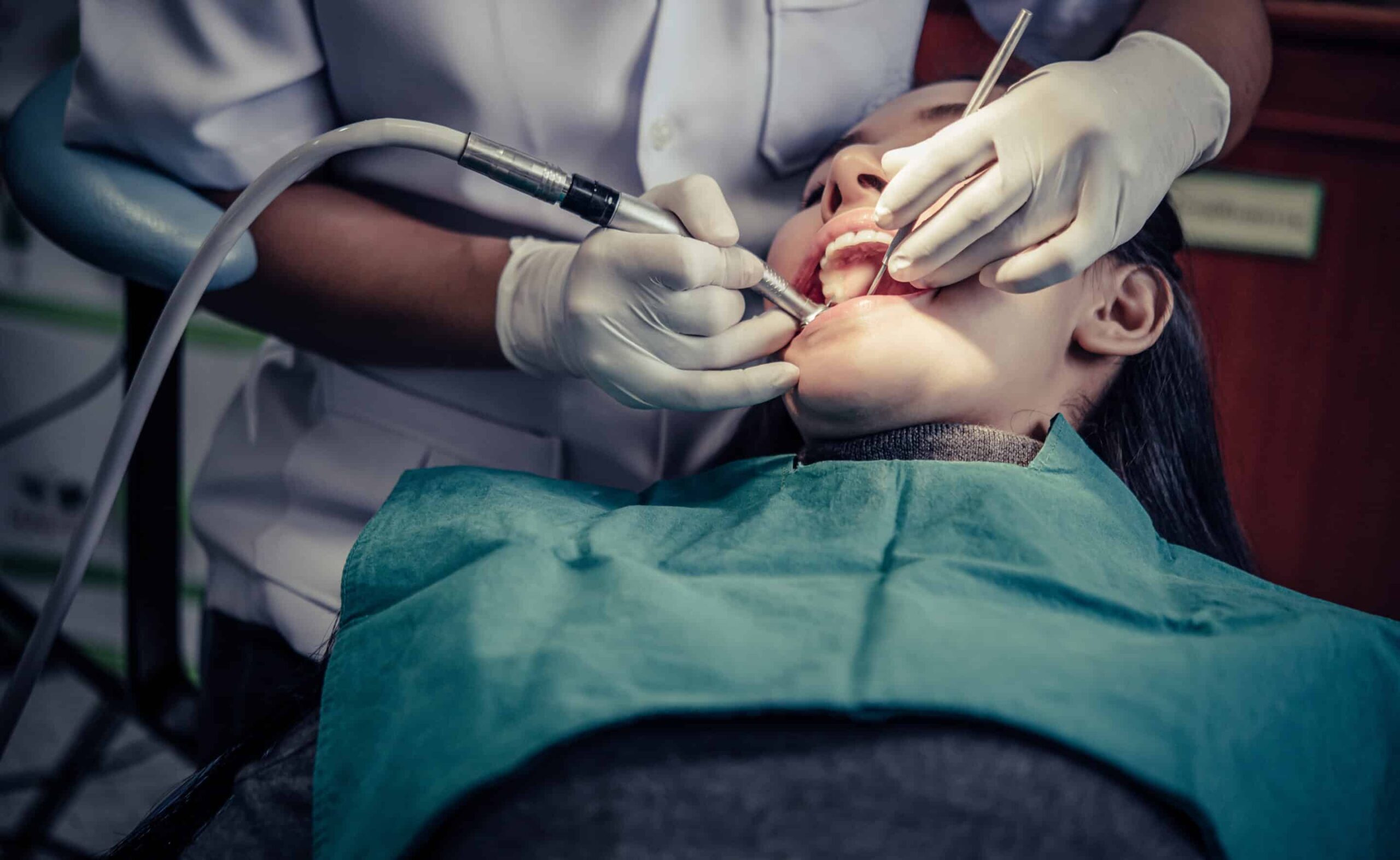
Preventative dental care is vital to maintaining good oral health. Regular checkups and cleanings can help to remove plaque and tartar that can lead to gum disease, tooth decay, and bad breath. They can also detect any early signs of oral cancer. And, of course, regular checkups and cleanings are much less expensive than emergency dental care.
Tips for Minimizing Risk of Damage to Teeth and Gums
There are a few simple tips you can follow to help minimize the risk of damage to your teeth and gums:
- Brush and floss your teeth regularly. This will help remove plaque and bacteria that can cause tooth decay and gum disease.
- See your dentist regularly for checkups and cleanings. This will help catch any problems early and keep your teeth and gums healthy.
- Wear a mouthguard when playing sports or engaging in other activities that could put your teeth at risk of injury.
- Avoid chewing on hard objects, such as ice or hard candy, which can crack or break your teeth.
- Don’t use your teeth as tools, such as opening bottles or ripping open packages, as this can damage them.
Home Remedies: How to Treat Minor Tooth Aches and Injuries
There are a number of home remedies that can help to treat minor toothaches and injuries. For example, if you have a toothache, you can try rinsing your mouth with warm water or using a cold compress to reduce the pain. If you have an injured tooth, you can try using a dental floss to remove any debris from the injury site. You can also try using a mouthguard or dental guard to protect the injured tooth from further damage.
When to Seek Professional Care
There are a few instances when you should seek professional care for your teeth and oral health, even if you are taking proactive measures to prevent dental emergencies. If you experience any pain in your teeth or gums, notice any changes in your oral health, or have any concerns about your dental hygiene, it is best to consult with a dentist. Additionally, if you suffer from an injury to the mouth or teeth, it is important to seek professional care as soon as possible to avoid further damage.
Taking proactive steps to safeguard your teeth and oral health is an important part of maintaining good overall dental hygiene. By following the strategies discussed in this article, you can help reduce or even prevent dental emergencies from happening. Although it’s impossible to completely eliminate all risk for experiencing a dental emergency, by taking these preventive measures now, you can be better prepared should such an event occur. Be sure to follow up with your dentist on a regular basis for professional cleanings and exams so that any problems can be caught early and treated quickly.