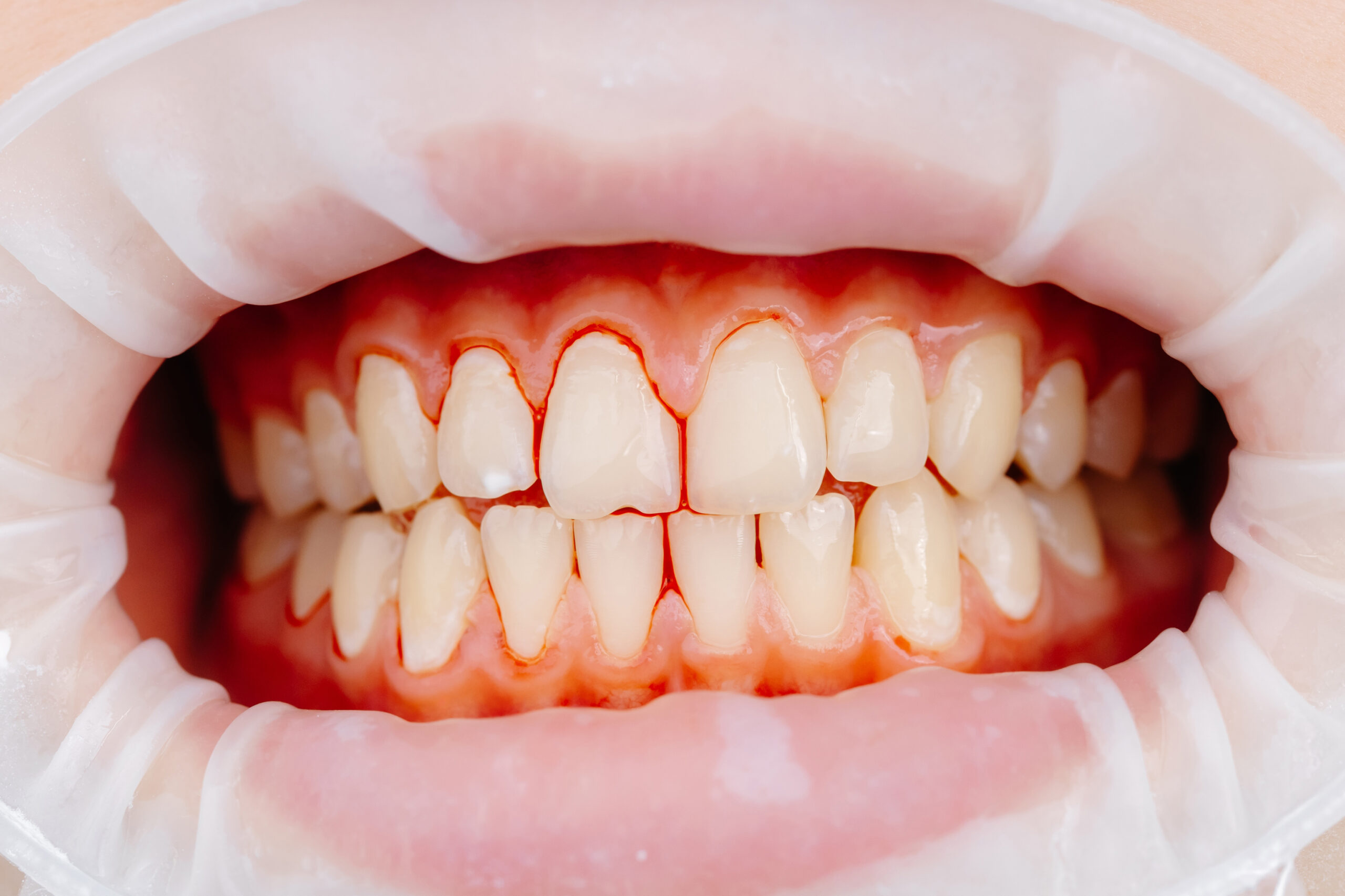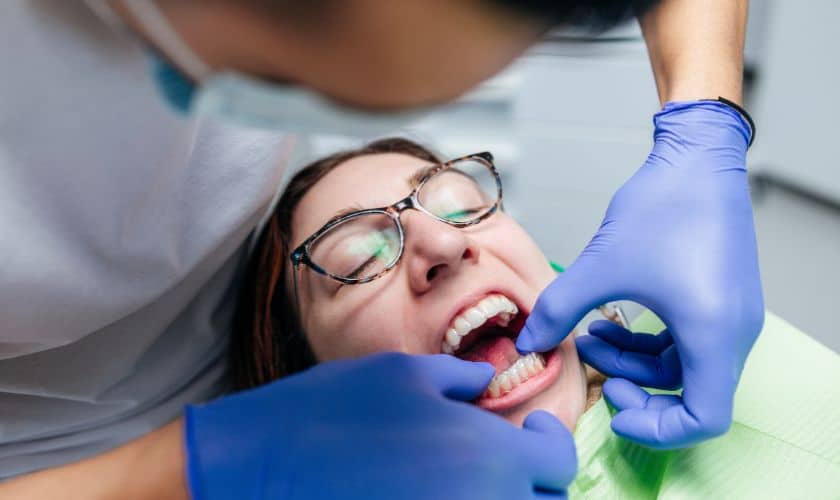
Orthodontic therapy seeks to improve oral health and appearance by realigning mismatched teeth and jaws. To achieve this, orthodontic tools such as braces or aligners are important, but food is even more important. Maintaining good dental health requires proper nutrition; some dietary practices might help or hurt orthodontic treatment outcomes. In this piece, we explore nutrition’s role in maintaining dental health from the perspectives of experts in the area.
The Role of Diet in Orthodontic Health:
Realigning teeth and jaws is the goal of orthodontic therapy, which takes patience and steady pressure on the teeth. It’s critical to consider how dietary decisions may affect general oral health and therapy efficacy during this procedure. Orthodontic doctors say that while some meals might help patients get better results, others can provide difficulties or hazards to individuals receiving orthodontic treatment.
Avoiding Foods Harmful to Orthodontic Appliances:
Foods that are very chewy, firm, or sticky might harm orthodontic equipment, delaying therapy and causing pain for the patient. Orthodontists typically advise patients to avoid:
- Sticky and Chewy Foods: Chewing gum, caramels, taffy, and sticky candies can become stuck in braces or aligners, making them more difficult to clean and raising the possibility of tooth decay and plaque accumulation.
- Hard Foods: Crunchy foods such as popcorn, nuts, and hard candies can cause orthodontic equipment to come loose, break brackets, or bend wires, requiring more visits to the orthodontist for repairs.
- Sugary and Acidic Foods: Because it can be challenging to clean around braces or aligners during orthodontic treatment, sweets and acidic beverages like soda, energy drinks, and fruit juices can accelerate enamel erosion and decay.
Foods That Support Orthodontic Treatment:
Maintaining general health, including oral health, is imperative by eating a balanced diet high in critical nutrients. The vitamins and minerals required to support orthodontic therapy and encourage good oral hygiene can be found in specific meals. Orthodontists recommend:
- Soft, Nutrient-Rich Foods: In addition to being kind to orthodontic equipment, soft fruits and vegetables, yogurt, cheese, and lean protein sources like fish and tofu also provide important minerals like calcium, vitamin D, and phosphorus, all of which are necessary for strong teeth and bones.
- Water: Drinking water to stay hydrated is crucial for preserving salivary flow, which lowers the risk of cavities and gum disease by removing germs and food particles.
- Orthodontic-Friendly Snacks: Convenient snacks less likely to harm orthodontic equipment include mozzarella sticks, yogurt, sliced fruits, and hummus with soft veggies.
The Importance of Oral Hygiene:
It is crucial to maintain great dental hygiene throughout orthodontic treatment regardless of food choices. To avoid plaque accumulation and gum inflammation, patients should follow a comprehensive oral hygiene regimen that includes brushing after meals, flossing daily, and using an antimicrobial mouthwash.
Conclusion:
In conclusion, There is no denying the importance of food on orthodontic health. Orthodontic doctors stress that maintaining good dental hygiene and advancing treatment outcomes depend on making educated food decisions. Patients may maximize their orthodontic outcomes and attain a healthier, more attractive smile by avoiding foods that might harm orthodontic equipment and adding nutrient-rich meals to their diet. Additionally, maintaining dental health throughout orthodontic treatment depends on appropriate oral hygiene practices. Speaking with a licensed orthodontist can help you receive individualized advice on dental hygiene and nutrition specific to your requirements.