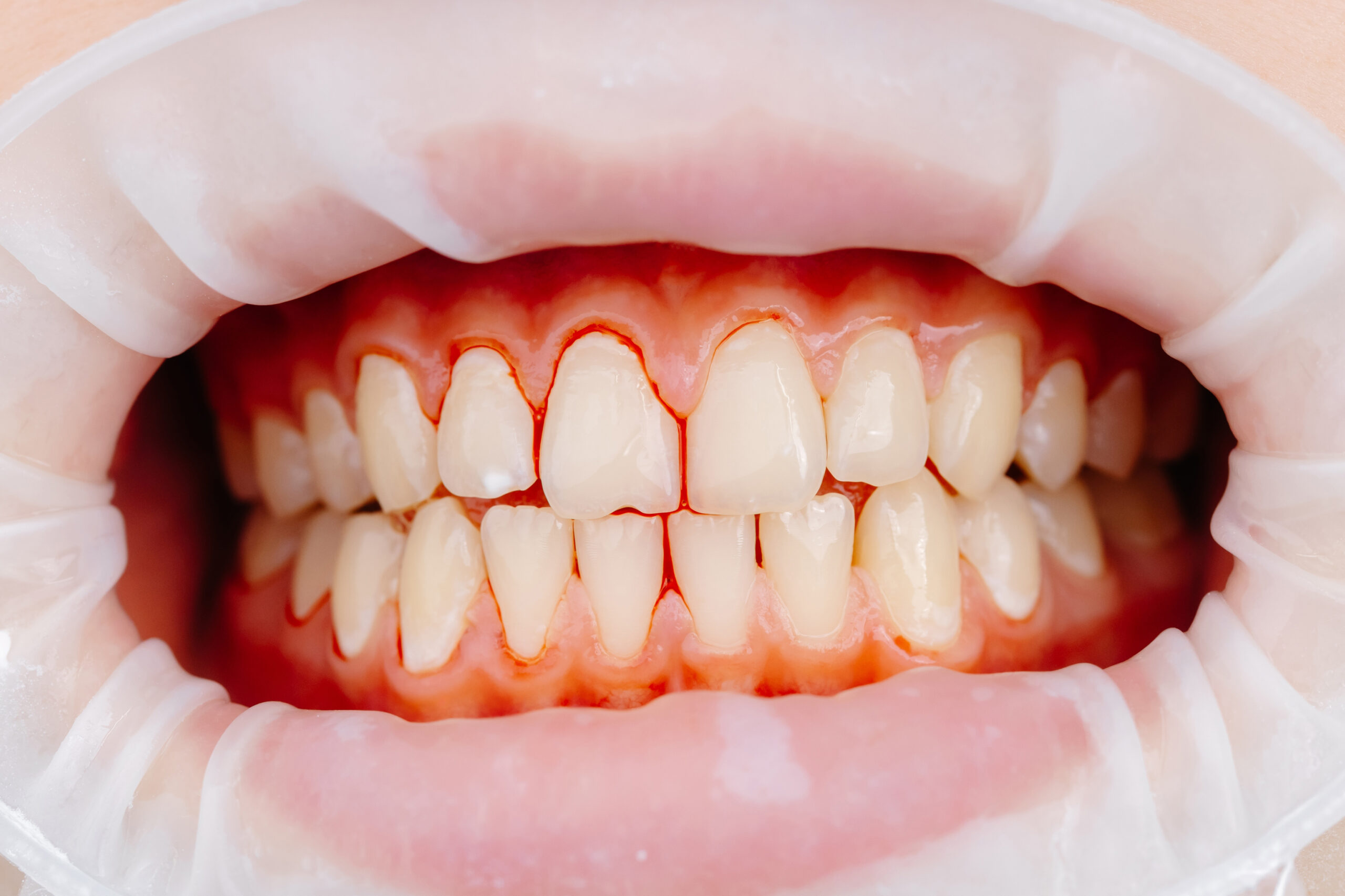
Teeth discoloration is a common concern for many, but when a tooth turns black, it can be alarming. Understanding the reasons behind this discoloration, recognizing the symptoms, and knowing the appropriate treatments can help address the issue effectively. This guide will provide you with the necessary information on what to do if your teeth turn black.
Reasons Why Your Teeth Are Turning Black
1. Tooth Decay
Tooth decay is one of the primary reasons a tooth can turn black. When cavities are left untreated, they can progress deep into the tooth, reaching the pulp and causing significant damage. This can result in the tooth turning black due to the breakdown of its structure and the presence of bacteria.
2. Tartar Buildup
Another common cause is tartar buildup. Tartar, or dental calculus, is hardened plaque that forms on teeth over time. If not removed, it can accumulate and cause the tooth to appear black, particularly around the gum line.
3. Pulp Necrosis
Pulp necrosis occurs when the inner tissue of the tooth (pulp) dies. This can happen due to trauma, infection, or severe decay. When the pulp dies, the tooth can turn dark brown or black as a result of the dead tissue inside.
4. Trauma or Injury
A tooth can turn black after being subjected to trauma or injury. This might happen due to an accident or a blow to the face, causing the blood vessels inside the tooth to burst and leading to discoloration.
5. Staining from Substances
Certain substances, such as tobacco, certain foods and drinks, or medications, can cause significant staining over time. These stains can sometimes be so severe that they make the tooth appear black.
Recognizing the Symptoms
Identifying the symptoms early can help in seeking prompt treatment. Here are some signs to look out for:
- Discoloration: A black or darkened tooth is the most obvious symptom. The discoloration can be uniform or appear as spots.
- Pain: Persistent toothache or pain, especially when eating or drinking, can indicate underlying issues.
- Sensitivity: Increased sensitivity to hot or cold temperatures is another sign that something might be wrong.
- Bad Breath: A black tooth often harbors bacteria, leading to bad breath or an unpleasant taste in the mouth.
- Swelling or Pus: Swelling of the gums around the black tooth or the presence of pus can indicate an infection.
Treatment Options
If you notice a black tooth, it’s crucial to consult with a dentist promptly. Here are some common treatments:
1. Professional Cleaning
For black teeth caused by tartar buildup or staining, a professional cleaning by a dentist can remove the accumulated plaque and tartar. This can restore the natural color of the tooth if the discoloration is superficial.
2. Fillings or Crowns
In cases of decay, the dentist may remove the decayed portion and fill the cavity with a dental filling. If the damage is extensive, a crown may be needed to cover and protect the tooth.
3. Root Canal Treatment
If the discoloration is due to pulp necrosis, a root canal treatment might be necessary. This involves removing the dead or infected pulp, cleaning the inside of the tooth, and sealing it to prevent further infection.
4. Tooth Extraction
In severe cases where the tooth is beyond repair, extraction might be the only option. After extraction, options like dental implants, bridges, or dentures can be considered to replace the missing tooth.
5. Whitening Treatments
For teeth that are discolored but not decayed, professional whitening treatments can help lighten the color. However, this is only effective for surface stains and not for teeth that have turned black due to internal issues.
Preventing Further Discoloration
Taking preventive measures can help avoid the problem of black teeth in the future. Here are some tips:
- Maintain Good Oral Hygiene: Brush your teeth twice a day and floss regularly to prevent plaque buildup.
- Regular Dental Checkups: Visit your dentist for regular checkups and cleanings. This can help catch any issues early and prevent severe discoloration.
- Avoid Staining Substances: Limit consumption of foods and drinks that can stain your teeth, such as coffee, tea, and red wine. If you smoke, consider quitting as tobacco can cause severe staining.
- Use Mouthguards: If you engage in contact sports, use a mouthguard to protect your teeth from injury.
- Fluoride Treatments: Consider fluoride treatments to strengthen your teeth and make them more resistant to decay.
Conclusion
A black tooth is more than just a cosmetic issue; it can indicate serious underlying dental problems. Understanding the reasons behind tooth discoloration, recognizing the symptoms, and seeking prompt treatment are essential steps to restoring your oral health. By maintaining good dental hygiene and visiting your dentist regularly, you can prevent future discoloration and keep your smile bright and healthy. If you notice any signs of tooth discoloration, don’t hesitate to consult with a dental professional for proper diagnosis and treatment.