Orthodontic treatment isn’t just about achieving a perfect smile. It plays a crucial role in improving oral health, ensuring that your teeth function correctly, and preventing long-term dental problems. But how do you know if you or someone you care about needs orthodontic care? In this blog, we’ll explore the common signs and conditions that indicate when orthodontic treatment might be necessary.
Understanding Orthodontic Treatment
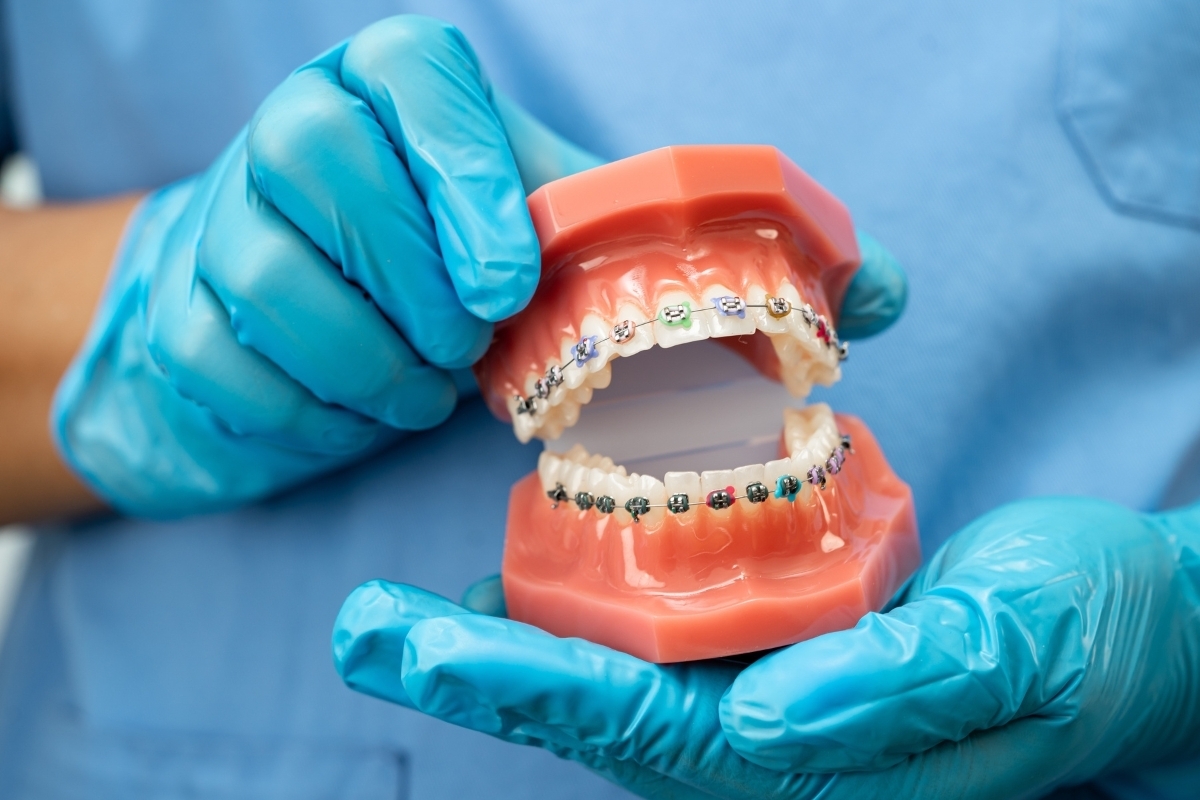
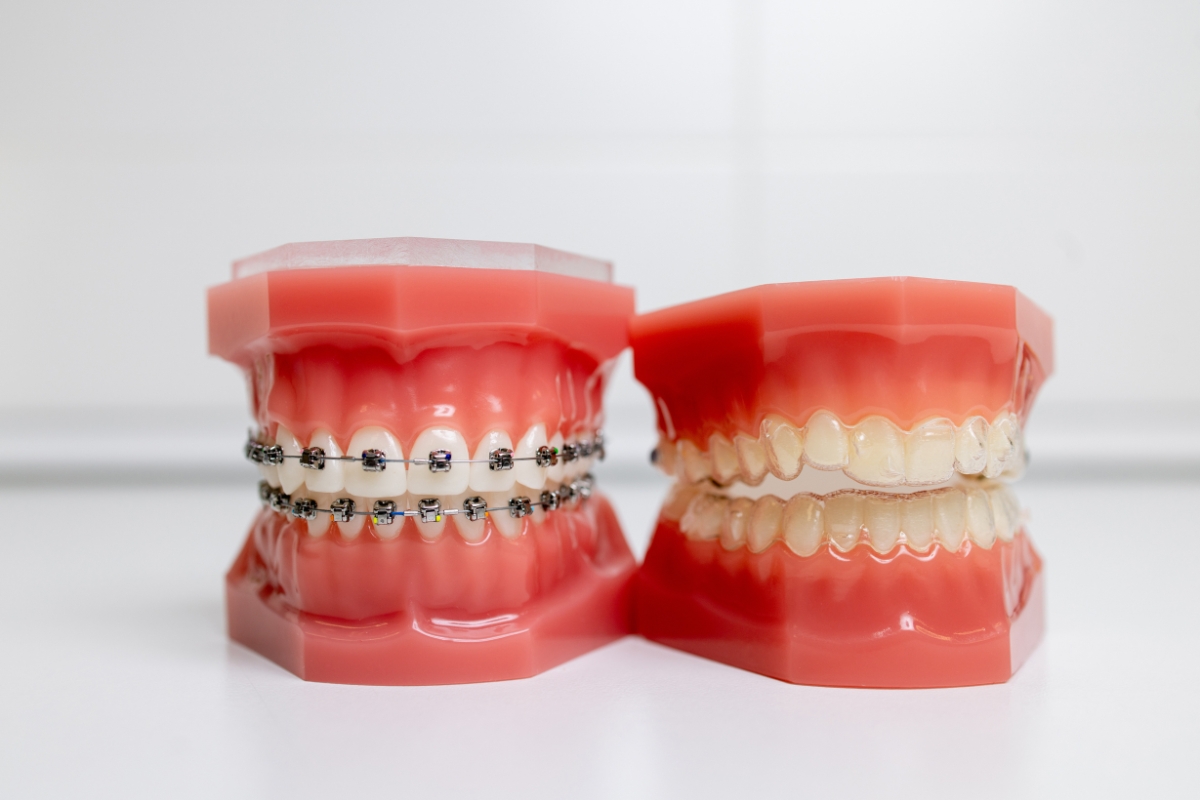
Before diving into who needs orthodontic treatment, it’s important to understand what it entails. Orthodontic care involves the diagnosis, prevention, and correction of misaligned teeth and jaws. An orthodontist specializes in these treatments, using braces, aligners, and other dental appliances to correct various dental issues. These treatments not only enhance the appearance of your smile but also improve your oral health by ensuring that your teeth and jaws are properly aligned.
Common Signs That You Need Orthodontic Treatment
Orthodontic problems can vary from minor issues to more severe cases. Here are some common signs that indicate you might need to see an orthodontist in Wichita Falls:
1. Crowded or Overlapping Teeth
One of the most obvious signs of needing orthodontic care is crowded or overlapping teeth. Crowding occurs when there isn’t enough space in the jaw for all the teeth to fit properly. This can make brushing and flossing difficult, leading to an increased risk of cavities and gum disease. Correcting crowded teeth with braces or aligners can make it easier to maintain good oral hygiene and improve the appearance of your smile.
2. Overbite or Underbite
An overbite occurs when the upper front teeth overlap significantly with the lower front teeth. An underbite is when the lower front teeth extend beyond the upper front teeth. Both conditions can cause issues with chewing, speaking, and even breathing. They can also lead to jaw pain and excessive wear on certain teeth. Orthodontic treatment can correct these bite issues, improving function and preventing long-term damage.
3. Crossbite
A crossbite happens when some of your upper teeth sit inside your lower teeth when you bite down. This misalignment can cause teeth to chip, wear down unevenly, and even lead to gum recession. If left untreated, a crossbite can also cause asymmetry in the face. An orthodontist can use braces or other appliances to correct a crossbite and restore proper function to your bite.
4. Open Bite
An open bite occurs when there is a gap between the upper and lower teeth when the mouth is closed. This can make it difficult to chew food properly and may cause speech problems. In many cases, an open bite is caused by habits like thumb-sucking or tongue-thrusting during childhood. Orthodontic treatment can correct an open bite, improving both the function and appearance of your teeth.
5. Difficulty Chewing or Biting
If you experience discomfort or difficulty when chewing or biting, it could be a sign of a misaligned bite. This issue can cause excessive wear on your teeth and make it harder to eat certain foods. Orthodontic treatment can align your teeth and jaws properly, making eating more comfortable and preventing further dental problems.
6. Speech Difficulties
Misaligned teeth or jaws can sometimes lead to speech problems. If you or your child has difficulty pronouncing certain sounds or speaking clearly, it may be related to the positioning of the teeth or jaws. An orthodontist can assess whether orthodontic treatment could help improve speech by aligning the teeth and jaws correctly.
7. Jaw Pain or Clicking
Persistent jaw pain, headaches, or clicking sounds when opening or closing your mouth may be signs of a temporomandibular joint (TMJ) disorder. TMJ disorders can be caused by misaligned teeth or jaws. Orthodontic treatment may help alleviate these symptoms by correcting the underlying misalignment.
8. Gaps Between Teeth
While some people may not mind having gaps between their teeth, others may seek orthodontic treatment to close these spaces. Gaps can occur due to missing teeth, small teeth, or a mismatch between the size of the teeth and the jawbone. Orthodontic treatment can close these gaps, providing a more uniform and aesthetically pleasing smile.
Early Intervention for Children
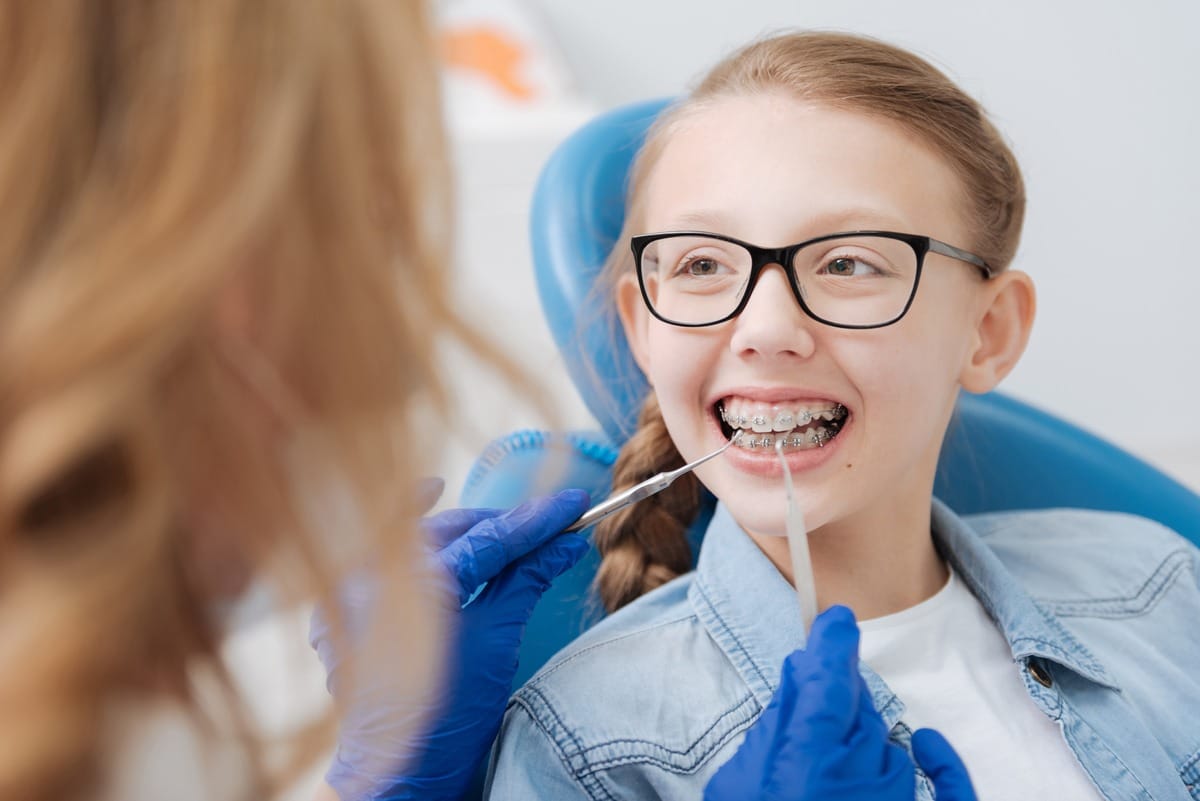
Orthodontic issues often become noticeable in childhood, which is why it’s important for children to have an orthodontic evaluation by the age of seven. Early intervention can sometimes prevent more severe problems from developing and may reduce the need for more extensive treatment later on. Common issues in children that may require early orthodontic treatment include overcrowded teeth, bite problems, and issues caused by thumb-sucking or pacifier use.
Orthodontic Treatment for Adults
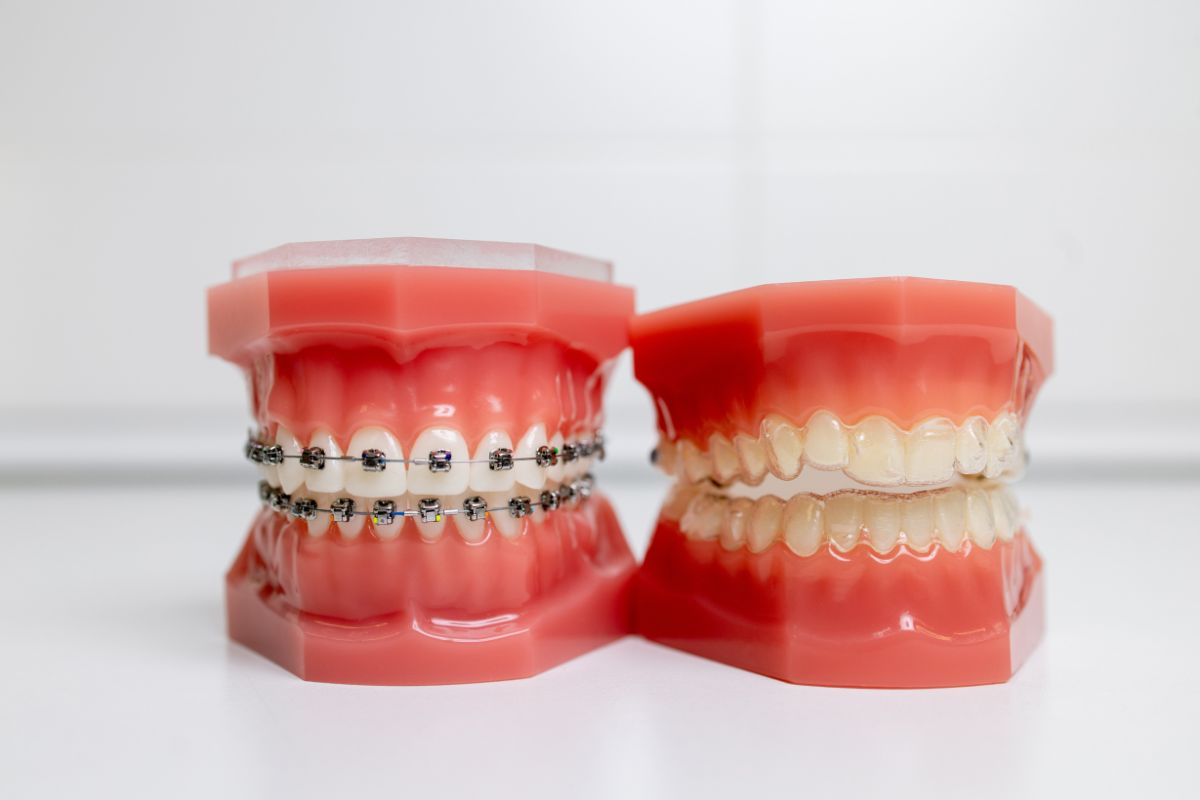
Orthodontic treatment isn’t just for children and teenagers. More adults are seeking orthodontic care to improve their smiles and oral health. Adult orthodontic treatment can address many of the same issues as in younger patients, such as crowding, bite problems, and gaps between teeth. With options like clear aligners, adults can achieve a straighter smile without the need for traditional metal braces.
Choosing the Right Orthodontist
If you recognize any of the signs mentioned above, it may be time to consult with an orthodontist. Choosing the right orthodontist in Wichita Falls is crucial for receiving quality care tailored to your needs. Look for an orthodontist who is experienced, has positive patient reviews, and offers a range of treatment options.
Conclusion
Orthodontic treatment can address a variety of dental issues, from crowded teeth to bite problems, and improve both your smile and oral health. Recognizing the signs that you need orthodontic care is the first step toward achieving a healthier, more functional smile. Whether you’re considering treatment for yourself or your child, early intervention can prevent more complex issues in the future.