More than just having a straight smile, oral health is essential to well-being. Maintaining healthy teeth and gums is a lifestyle choice that may enhance your quality of life, extending beyond simple brushing and flossing. This thorough handbook will cover various oral health topics, from routine dental treatments to everyday habits. With these Wichita Falls dental hygiene tips and techniques, let’s go toward improved oral hygiene.
Introduction
Sustaining optimal dental health goes beyond having a gorgeous smile; it also involves ensuring that a person is well-rounded. Our mouths are our bodies’ entryways, and many connections exist between our dental and general health. A thorough approach to dental care is essential for maintaining good health, from avoiding cavities to treating chronic problems.
Daily Dental Hygiene Habits
- Brushing Techniques and Frequency: The fundamentals of dental health start with using the right brushing techniques. Plaque may be removed, and cavities can be avoided using fluoride toothpaste, soft-bristled brush, and circular motions. Make sure to brush all surfaces of your teeth for two minutes twice a day, at the very least.
- Importance of Flossing: As vital as brushing is, flossing once a day is just as critical. Food fragments and plaque that your toothbrush might miss are removed by flossing. Incorporate flossing into your regular regimen to ensure a complete cleaning.
- Choosing the Right Toothpaste and Mouthwash: Not every mouthwash and toothpaste product is made equally. When selecting oral care products, take into account your unique dental demands. Choosing the appropriate items improves your oral care regimen, whether you require mouthwash for healthy gums or toothpaste for sensitive teeth.
Nutrition and Oral Health
- Impact of Diet on Oral Hygiene: Oral health benefits greatly from a balanced diet. Strong teeth are encouraged by calcium, vitamin D, and phosphorus diets. On the other hand, gum disease and tooth decay can be exacerbated by acidic and sugary meals.
- Foods that Promote Dental Health: Add leafy greens, dairy products, and crunchy fruits and vegetables to your diet. These meals increase salivation, which balances acids and creates a favorable oral environment.
- Foods to Avoid for Better Oral Health: Reduce the amount of acidic meals, fizzy drinks, and sugary snacks you eat. These may erode tooth enamel, increasing the risk of cavities and other oral health issues.
Regular Dental Checkups
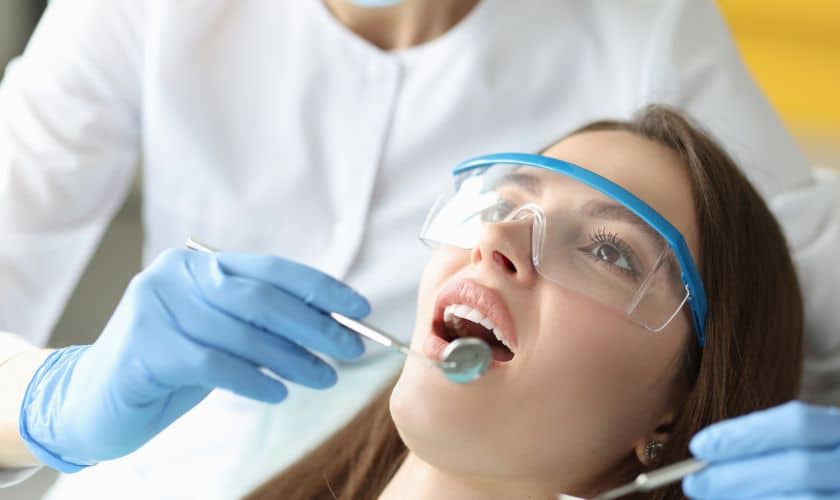
- Importance of Routine Dental Visits: Keeping your oral health in the best possible shape requires routine dental checkups. Dentists can recognize abnormalities in the early stages and offer preventative therapy to avert more serious concerns.
- Common Dental Procedures and Their Benefits: Dental treatments, such as cleanings, fillings, root canals, and extractions, are essential to maintaining and regaining oral health. Determining the advantages of routine dental care contributes to de-mystifying the experience.
- Addressing Dental Anxiety: For many people, dental anxiety is a prevalent problem. Anxiety may be managed, and dental appointments may be made more comfortable by having open lines of communication with your dentist, practicing relaxation methods, and thinking about sedation alternatives.
Common Oral Health Issues
- Cavities and Tooth Decay Prevention: Healthy eating habits and dental hygiene habits work together to prevent cavities. Frequent dental examinations can help spot cavities early on, enabling timely treatment.
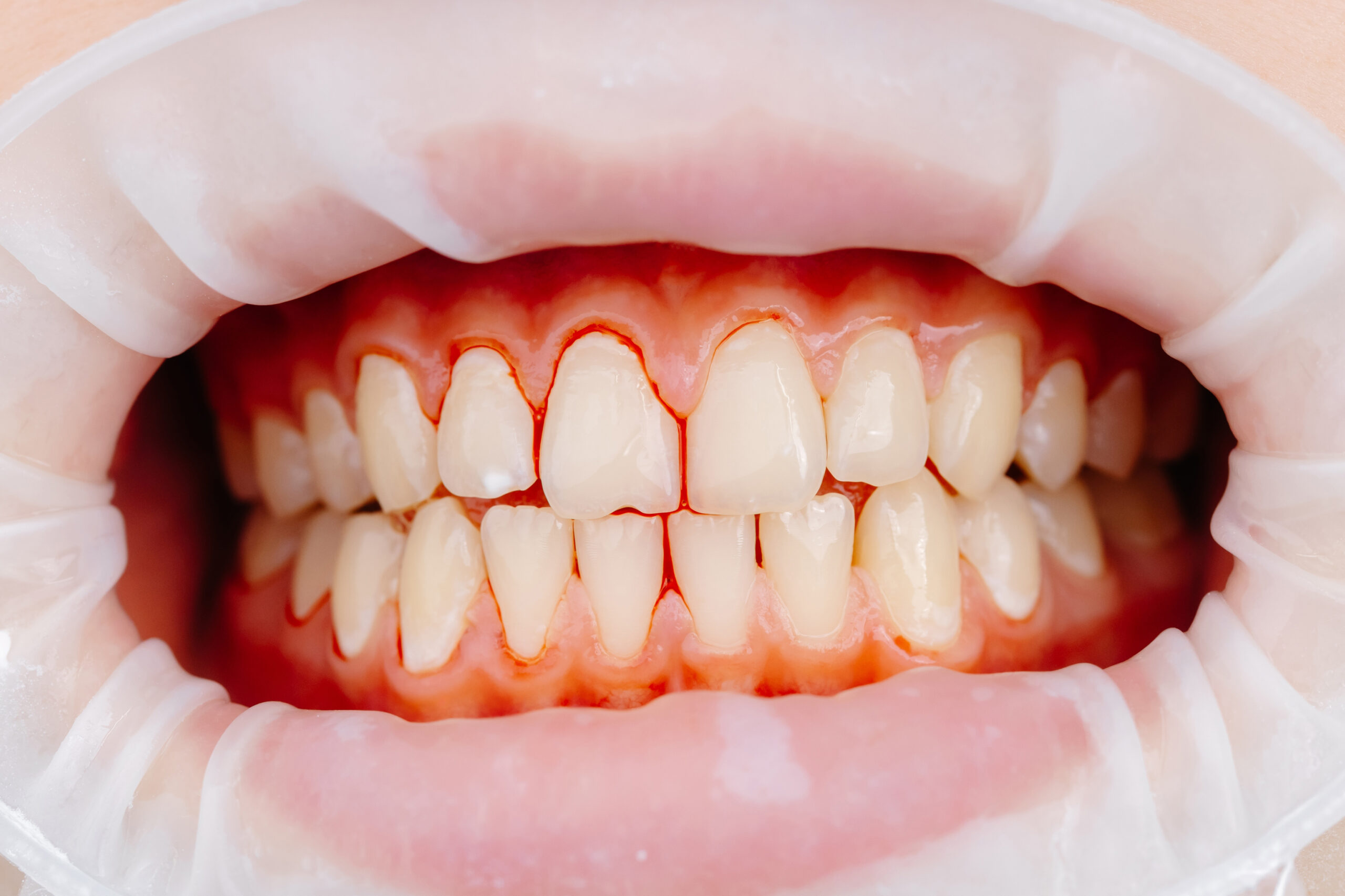
- Gum Disease and Ways to Prevent It: If gum disease is not addressed, it might result in major problems with oral health. Gum disease may be avoided and controlled by frequent dental cleanings, proper brushing, and flossing.
- Managing Tooth Sensitivity: Several things, such as damaged enamel or exposed tooth roots, can cause tooth sensitivity. Effective dental sensitivity management can be achieved with desensitizing toothpaste, fluoride treatments, and lifestyle modifications.
Children’s Oral Health
- Establishing Good Oral Habits in Kids: To create healthy habits, start teaching youngsters about dental hygiene at a young age. Supervise kids as they brush and floss and promote frequent dental checkups until kids can do it independently.
- Importance of Early Dental Checkups: Early dental examinations aid in tracking the emergence of baby teeth and spotting any problems. Early dental care is essential for maintaining healthy teeth for the rest of one’s life.
- Dealing with Common Childhood Dental Issues: Pediatric dentists can offer advice on how to handle typical children’s dental disorders, including pain from teething to thumb-sucking. Prompt action can avert long-term issues.
Oral Care During Pregnancy
- Impact of Pregnancy on Oral Health: Hormones related to pregnancy can have an impact on dental health and cause diseases like gingivitis. For the sake of the health of the mother and the unborn child, it is essential to maintain regular dental checkups and good oral hygiene during pregnancy.
- Safe Dental Care Practices During Pregnancy: Pregnancy is usually safe when receiving routine dental care, including cleanings and required procedures. Tell your dentist that you are expecting so they may prescribe the right course of treatment.
- Addressing Common Pregnancy-Related Dental Concerns: Talk to your dentist about any worries you have, from morning sickness to changes in your dental health. Preventive treatments and customized counsel can address certain dental concerns that may arise during pregnancy.
Oral Health and Aging
- Dental Care for Seniors: Oral health becomes increasingly more important as we age. A healthy smile as we age mostly depends on maintaining general health, getting regular dental checkups, and taking good care of our dentures.
- Addressing Common Oral Health Issues in Older Adults: Teeth loss, gum recession, and dry mouth are some of the issues that seniors may experience. Preventive approaches and customized dental care strategies can address particular difficulties related to aging.
- Importance of Maintaining Oral Health in Aging: Maintaining dental health is crucial for older persons’ general health and wellbeing. Maintaining good dental hygiene can help avoid systemic health problems linked to poor oral health and promote a healthy diet.
Teeth Whitening and Cosmetic Dentistry
- Safe Teeth Whitening Practices: Teeth whitening can improve your smile, but it must be done carefully. Before utilizing over-the-counter remedies, speak with your dentist. For best outcomes, think about getting professionally whitened.
- Overview of Cosmetic Dental Procedures: Cosmetic dentistry provides a range of operations, such as veneers and orthodontic treatments, to enhance the appearance of your smile. Consult your dentist about your objectives to determine the best solutions.
- Balancing Cosmetic Dentistry with Oral Health: Even though cosmetic dentistry can improve your smile, dental health should always come first. Strike a balance between keeping your teeth and gums healthy and undergoing cosmetic operations.
Impact of Lifestyle on Oral Health
- Effects of Smoking on Oral Health: Smoking is detrimental to your oral health; it can lead to tooth loss and gum disease, among other issues. Both general health and oral health can be enhanced by quitting smoking.
- Managing Oral Health while Consuming Alcohol: When it comes to alcohol use and dental health, moderation is essential. The risks of dry mouth, gum disease, and oral cancer are increased by excessive alcohol use.
- Importance of Hydration: It’s important to stay hydrated for general health, which includes dental health. For a healthy mouth, water helps wash away germs, lessen mouth acidity, and keep saliva production going.
Oral Health and Chronic Conditions
- The Connection Between Oral Health and Chronic Diseases: Studies indicate a connection between long-term health issues, including diabetes and heart disease, and dental health. Maintaining dental health may help prevent and manage diseases as a whole.
- Managing Oral Health with Existing Health Conditions: Patients with long-term medical issues must collaborate with their dentists and other medical professionals to develop a thorough treatment strategy. Holistic treatment is ensured by expert coordination.
- Collaborative Care between Dentists and Healthcare Providers: Addressing the connection between oral and general health requires open communication between dentists and other medical professionals. Collaborative care can lead to better patient outcomes.
Technological Advances in Dentistry
- Overview of Modern Dental Technologies: Advances in dental technology have completely transformed oral care. Modern technologies, from laser dentistry to digital impressions, improve treatment results and diagnostic capacities.
- Benefits of Technological Advancements in Oral Care: Technology advancements give patients less discomfort, shorter treatment periods, and more precise operations. These improvements allow dentists to offer better dental care.
- Access to Cutting-Edge Dental Treatments: Thanks to the integration of cutting-edge technologies by nearby dental clinics, patients in Wichita Falls have access to cutting-edge dental treatments. Keep yourself updated on the best dental care alternatives available.
Environmental Impact of Oral Care Products
- Sustainable Oral Care Choices: Concern over how dental care products affect the environment is rising. Use sustainable items like eco-friendly packaging and biodegradable toothbrushes to reduce your environmental impact.
- Eco-Friendly Dental Products: Look for eco-friendly mouthwash, floss, and toothpaste substitutes. Sustainability-focused brands support dental health and environmental conservation at the same time.
- Reducing the Carbon Footprint of Oral Hygiene: The carbon footprint of dental hygiene activities can be decreased by making little changes like recycling the packaging of oral care products and shutting off the faucet when brushing.
Cultural Perspectives on Oral Health
- Varied Cultural Practices Related to Oral Care: Cultural customs influence oral hygiene regimens. Examine the oral hygiene traditions of other civilizations and incorporate these good practices into your regimen.
- Traditional Remedies for Oral Health: Traditional treatments for oral health problems exist in many cultures. Adopting contemporary dentistry while retaining traditional methods can offer a comprehensive approach to dental care.
- Bridging Cultural Practices with Modern Dentistry: Wichita Falls dentists value ethnic diversity and incorporate it into their work. Modern dentistry combined with traditional methods guarantees individualized, culturally appropriate dental care.
Conclusion
In this comprehensive guide to oral health, we’ve covered the essentials for the finest dental care, including tips from Cosmetic Dentist Wichita Falls. Residents, prioritize your dental health for a better smile and improved well-being!
FAQs
How often should I visit the dentist for a checkup?
Regular checkups at the dentist are advised for routine care and early problem identification every six months.
Are there natural remedies for tooth sensitivity?
There are ways to manage dental sensitivity, including desensitizing toothpaste, fluoride treatments, and avoiding acidic meals.
What impact does smoking have on oral health?
Smoking raises the risk of oral cancer, gum disease, and tooth loss. Dental health is improved by quitting smoking.
Can I use over-the-counter teeth whitening products safely?
For specific guidance, speak with your dentist before utilizing over-the-counter whitening solutions.
How do cultural practices influence oral care?
Cultural customs can influence dental hygiene habits, highlighting the significance of a culturally aware dental approach.